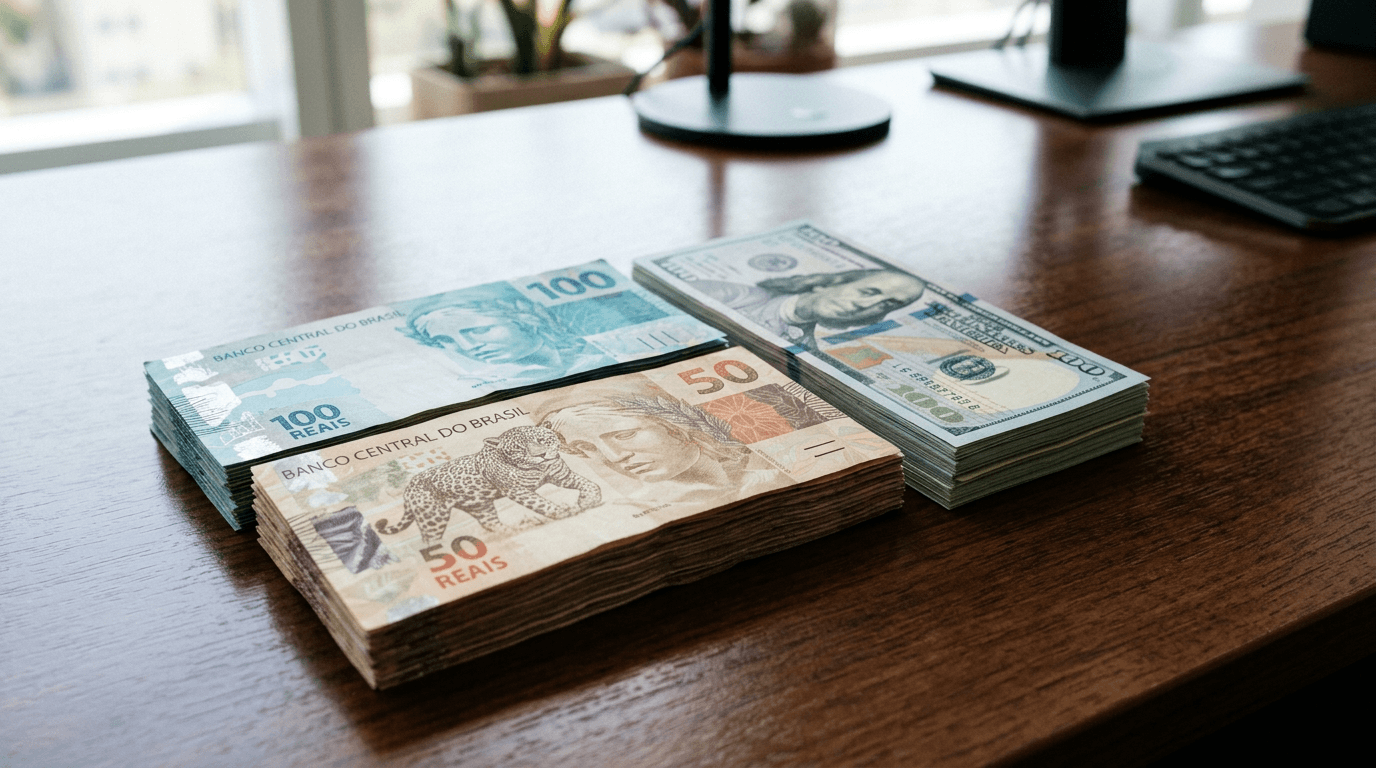
Why Brazil's 9.75% rate gap isn't translating into massive ETF returns
Brazil's central bank paused its rate cuts at 13.75%, leaving a massive yield gap with the US that acts as a shield against rising currency and political risks.


Brazil's central bank paused its rate cuts at 13.75%, leaving a massive yield gap with the US that acts as a shield against rising currency and political risks.
The Brazilian real fell to a 15-month low after the central bank paused interest rate cuts at 13.75%, citing fiscal risks and rising inflation.
The massive spread between Brazil's 13.75% Selic rate and the Fed's 4.0% target is reshaping currency risks and returns for international investors.
Brazil's central bank unanimously paused its rate-cutting cycle on November 4, 2026, holding the Selic benchmark rate at 13.75% amid rising inflation expectations.
A sliding Brazilian real is offsetting severe local harvest delays, driving ICE raw sugar futures down to multi-month lows as export incentives shift.
The massive 9.75-point interest rate gap between the Federal Reserve and Brazil's central bank is moving the currency market and foreign funds.
The Federal Reserve's rate pause leaves U.S. benchmarks steady, while Brazil's central bank halts its easing cycle at 13.75% amid fiscal concerns.
The massive interest rate gap between the Federal Reserve and Brazil's central bank remains locked at 9.75 percentage points, anchoring the brazil real and emerging market funds.
A massive 9.75-percentage-point interest rate gap between the Federal Reserve and Brazil's central bank is shaking up the brazil real and international funds.
A rapid 9.7% drop in the Brazilian real has wiped out nearly nine months of local high-yield bond coupon gains for dollar-based emerging market fund investors.
With the Federal Reserve holding its benchmark rate at 4.0% and Brazil keeping its Selic rate at 13.75%, a massive 9.75-percentage-point yield gap shapes global bond fund dynamics.
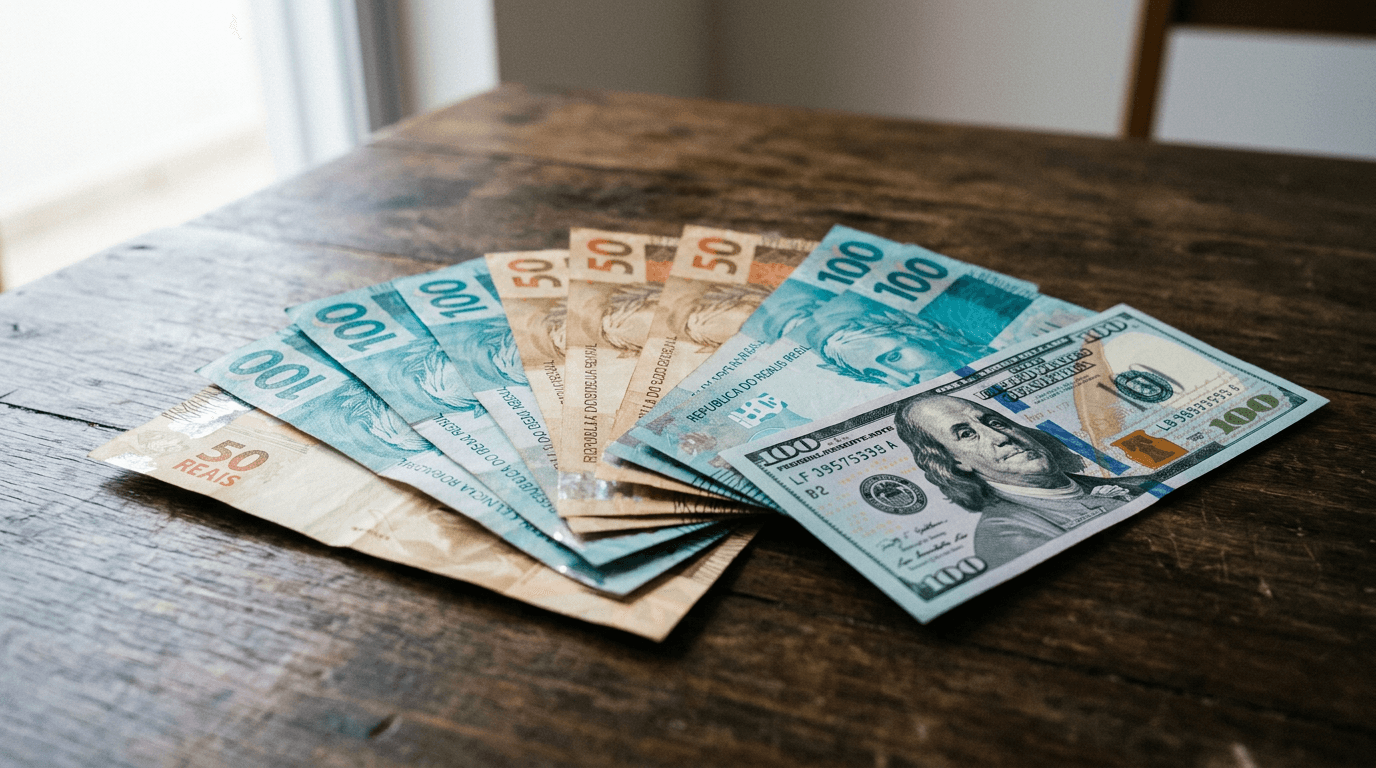
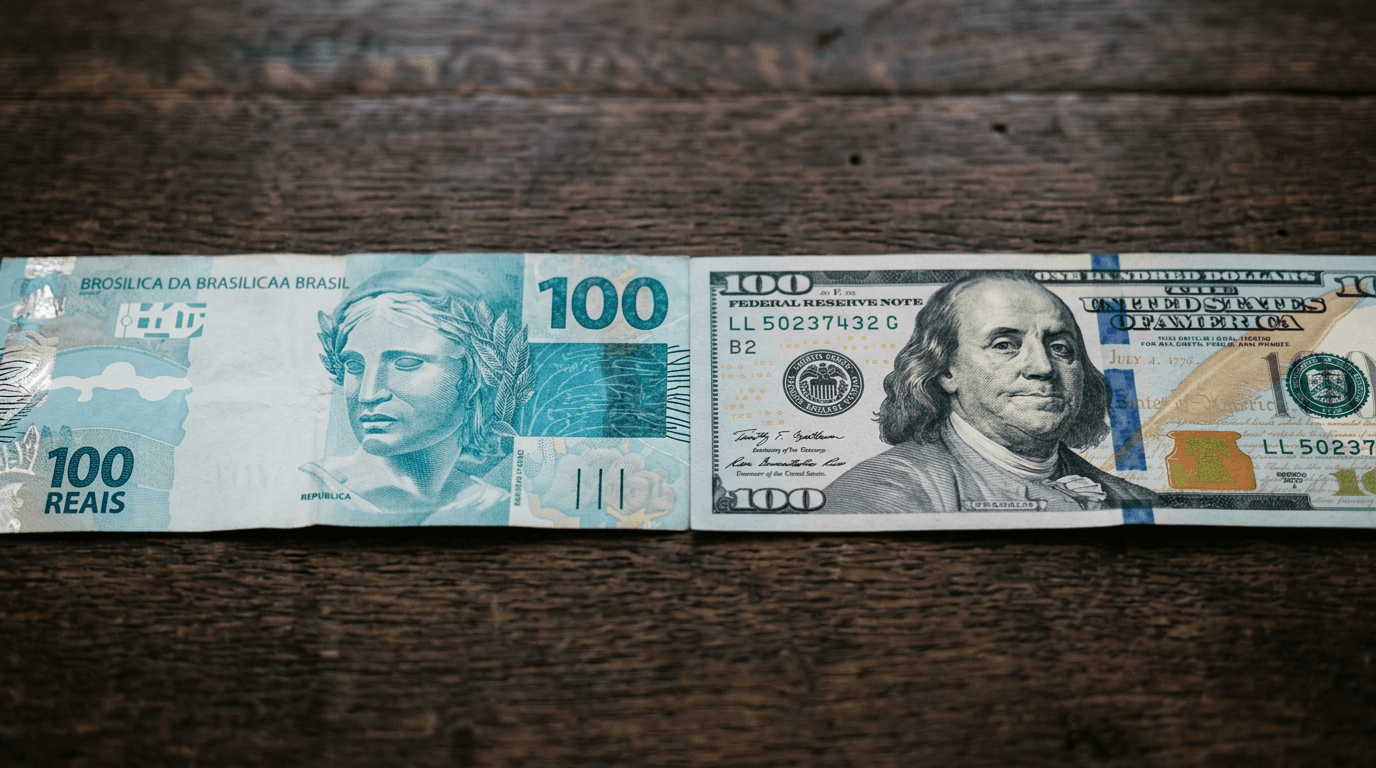
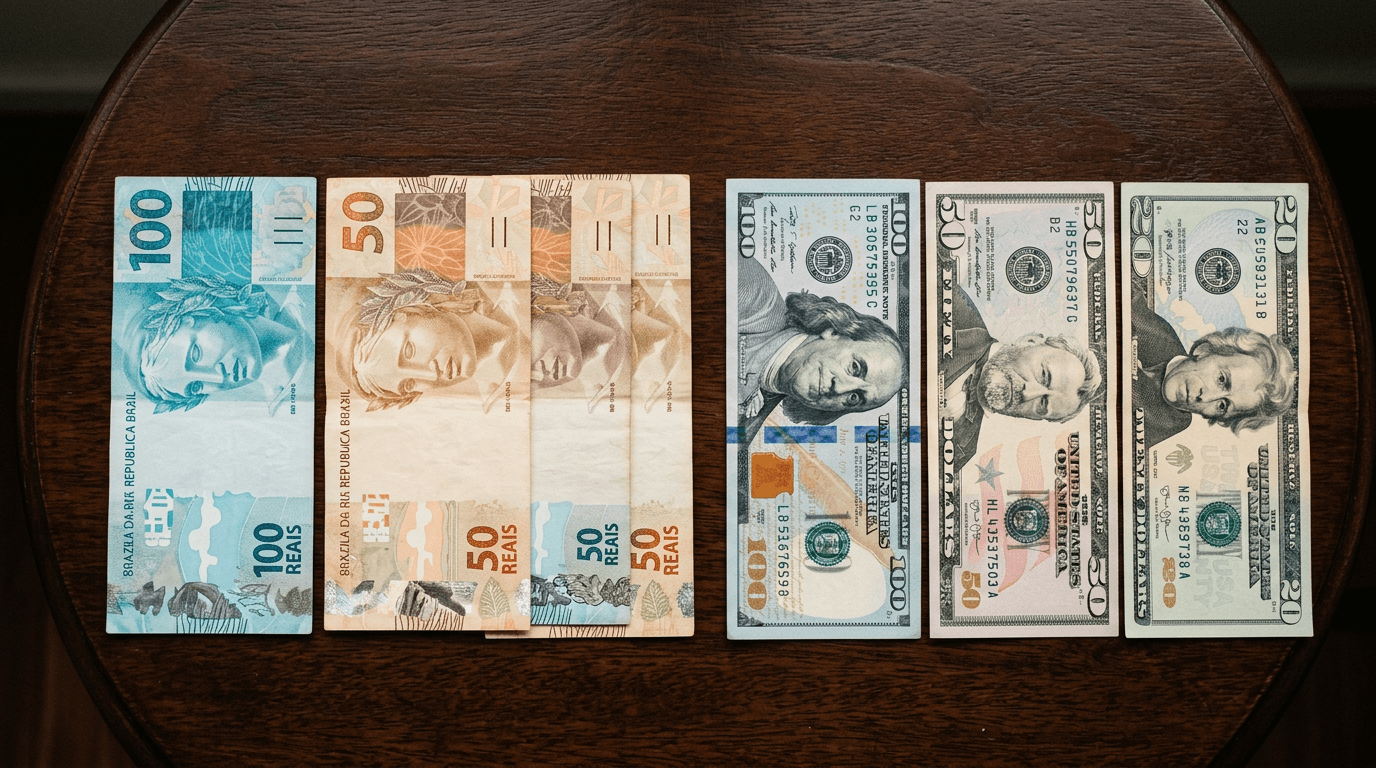
A sharp drop in the Brazilian real to over 5.50 per dollar, driven by fiscal worries and high interest rates, is eroding returns for US retail investors.
The Federal Reserve's rate hold at 4.0% and Brazil's central bank pause at 13.75% preserve a massive yield gap that shapes the brazil real to usd exchange rate.
The massive 9.75-percentage-point interest rate gap between the US Fed and Brazil's central bank keeps the carry trade alive, moving the real and global funds.
Brazil's central bank paused its rate-cut cycle, holding its key rate at 13.75% as fiscal worries and a slumping real threaten US retail investor returns.
Brazil's central bank halted its rate-cutting cycle at 13.75%, preserving a massive yield gap against the Fed that impacts US emerging market funds.
The Federal Reserve's steady target rate and Brazil's decision to pause its rate-cutting cycle at 13.75% have locked in a massive yield gap.
Brazil's central bank holds its Selic rate at 13.75% following Lula's reelection, maintaining a wide yield gap with the Federal Reserve.
A massive 9.75 percentage point interest rate gap between the Federal Reserve and Brazil's central bank is steering global capital and shaping US fund returns.
Brazil's central bank is poised to pause its interest rate cuts to defend the real, squeezing US retail investors holding local bonds and carry-trade funds.
The 9.75 percentage point interest rate gap between the U.S. and Brazil significantly influences capital flows as fiscal risks keep the real under pressure.
The wide yield differential between the Federal Reserve and Brazil's central bank drives global capital flows and shapes currency stability.
The wide interest rate spread between the Federal Reserve and Brazil's central bank shapes currency dynamics and foreign asset exposure.
The massive interest rate gap between the Federal Reserve and Brazil's central bank continues to shape capital flows and influence U.S.-listed funds.
The Federal Reserve's rate pause leaves a wide yield gap with Brazil, exposing global investors to currency and political risks.
The Federal Reserve's rate pause and Brazil's Selic cut to 13.75% leave a wide yield spread, driving the real and carry trade dynamics.
Following President Lula's reelection, a sharp currency selloff and persistent inflation have forced a reassessment of Brazil's interest rate path.
The wide yield spread between Brazil's 13.75% Selic rate and the Federal Reserve's 4.00% upper target limit continues to shape currency dynamics.
The Federal Reserve maintained its target range at 3.75% to 4.00% on October 28, 2026, preserving a wide 9.75-percentage-point yield gap with Brazil's benchmark Selic rate.
Despite central bank easing, Brazil's double-digit interest rates maintain a massive yield gap over the Federal Reserve, protecting the real.