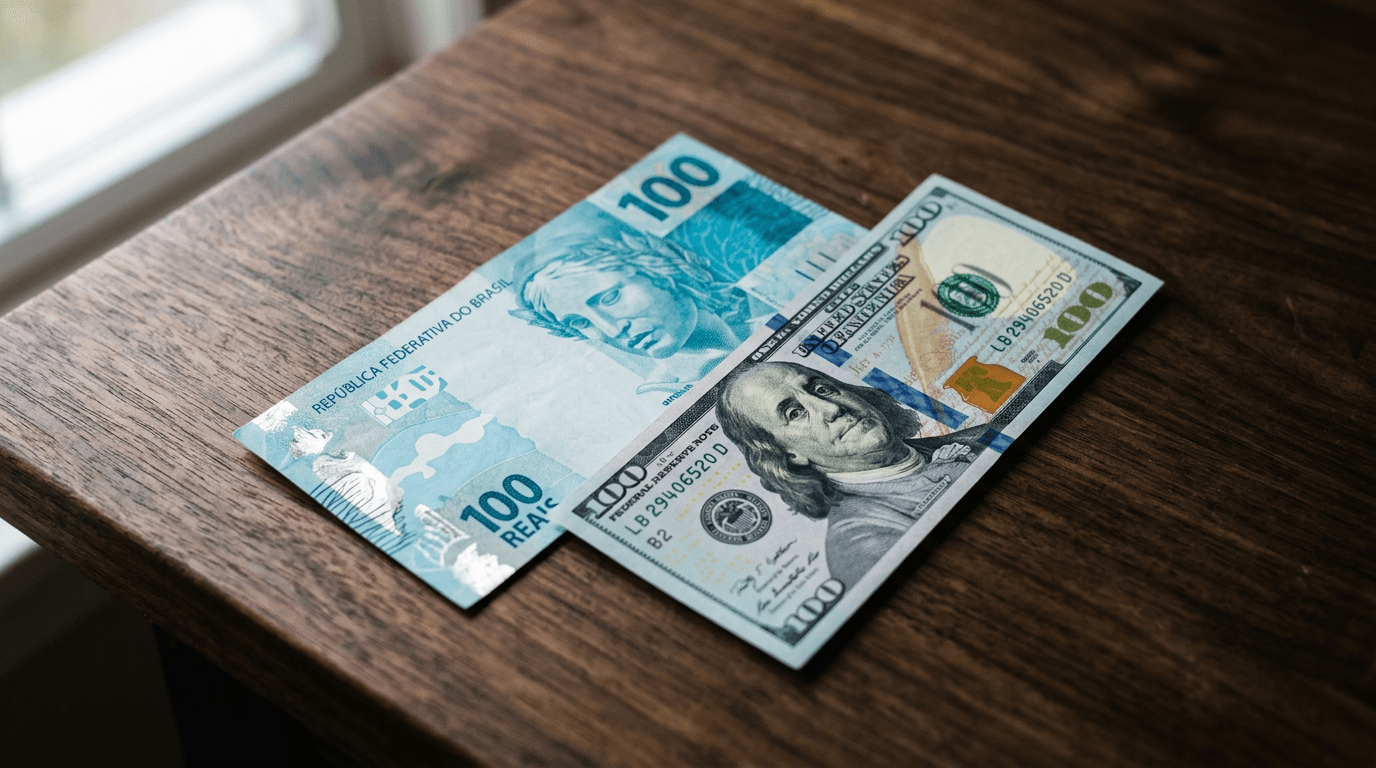
The Fed pays 4.0% while Brazil pays 13.75%. Here is why you care.
The massive 9.75-percentage-point interest rate gap between the US Fed and Brazil's central bank keeps the carry trade alive, moving the real and global funds.
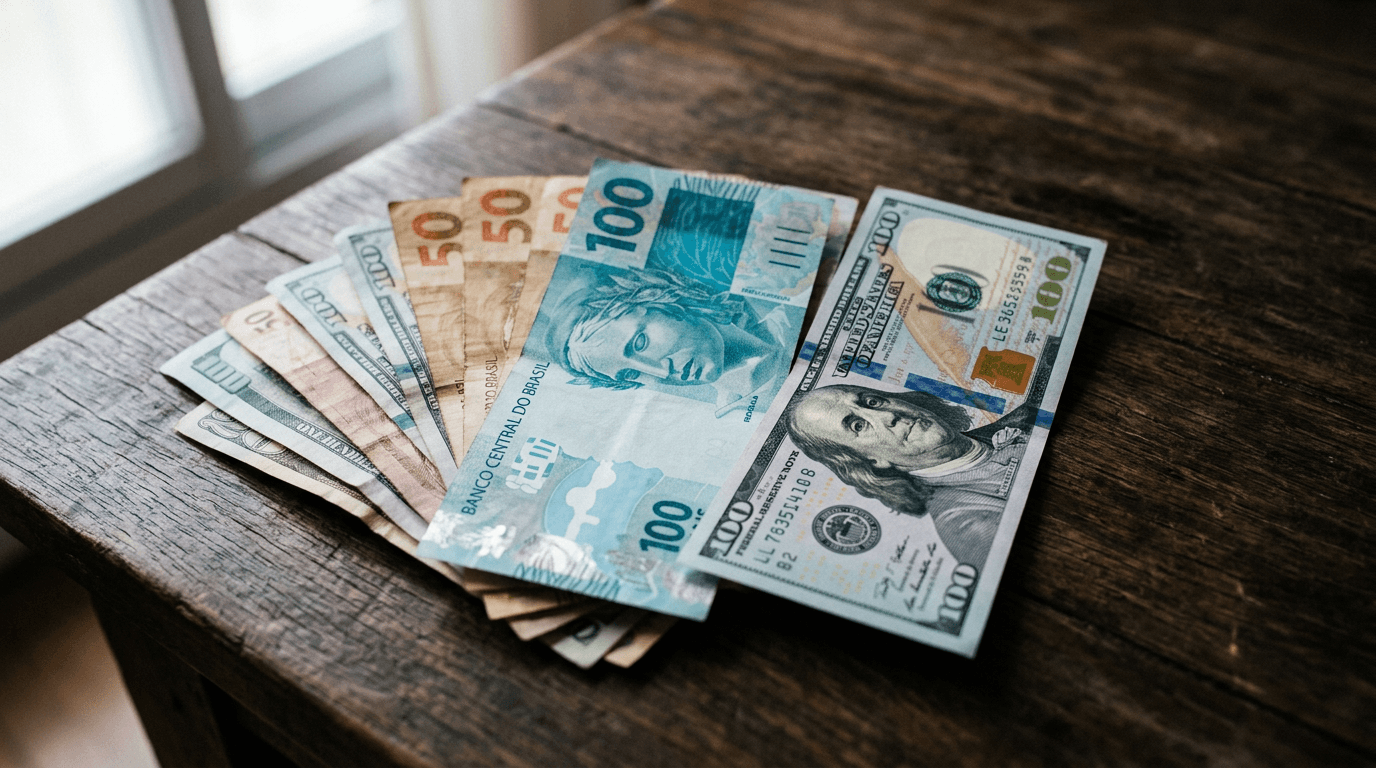
The Federal Reserve's target interest rate sits at an upper limit of 4.0%, as recorded by the Federal Reserve Bank of St. Louis FRED database on November 6, 2026. For a retail investor holding cash in a US brokerage account, that 4.0% benchmark represents the baseline return on low-risk dollar assets. But in the global hunt for yield, institutional traders look past domestic borders to see where those same dollars can be multiplied by exploiting the gaps between central banks.
Across the equator, the Banco Central do Brasil—Brazil's central bank—holds its benchmark Selic rate at a massive 13.75%, according to the BCB SGS series 432 database on November 6, 2026. This creates a yield gap of exactly 9.75 percentage points, a spread that has remained unchanged from 30 days ago. This differential is the engine behind the "carry trade," where investors borrow cheap dollars in New York to buy high-yielding Brazilian government bonds, pocketing the difference as long as the local currency holds its ground.
This rate gap is the single most powerful force moving the brazil real to usd exchange rate. When the gap is wide, global capital flows into Brazil, strengthening the brazil real. However, if US inflation spikes and forces the Fed to raise rates, or if Brazilian policymakers cut rates too aggressively, the gap narrows. A shrinking gap prompts international funds to exit, causing the brazil real vs usd rate to weaken and eating into the returns of any unhedged foreign investor.
The Mechanism of Political Risk
For global investors, the primary obstacle to capturing this 13.75% yield is political risk, which manifests through fiscal policy decisions. Brazil's monetary policy committee, known as Copom, paused its rate-cutting cycle at 13.75% on November 4, 2026, to guard against persistent inflation.
The institutional tension in Brazil centers on the balance between high interest rates and government spending. While the central bank keeps rates elevated to anchor prices, the federal government frequently pushes for lower borrowing costs to stimulate the economy. If fiscal spending rules are bypassed or altered by Congress, inflation expectations rise. This forces the central bank to keep the Selic rate high for longer, keeping the brazil real vs dollar volatile but preserving the high-yield carry trade for foreign debt holders.
In your brokerage app
If you hold the iShares MSCI Brazil ETF, a prominent exchange-traded fund listed in New York that tracks large and mid-sized Brazilian equities, your investment is directly exposed to this interest rate differential. A wide rate gap supports the brazil real to dollar exchange rate, boosting the fund's net asset value in US dollars. Conversely, any sudden narrowing of this 9.75-percentage-point spread typically triggers capital outflows, depressing the value of Brazilian equities and the fund itself.