
Wide US-Brazil Interest Rate Gap Shapes Global Currency Flows
The 9.75 percentage point interest rate gap between the US and Brazil continues to influence currency valuations and emerging-market portfolios.
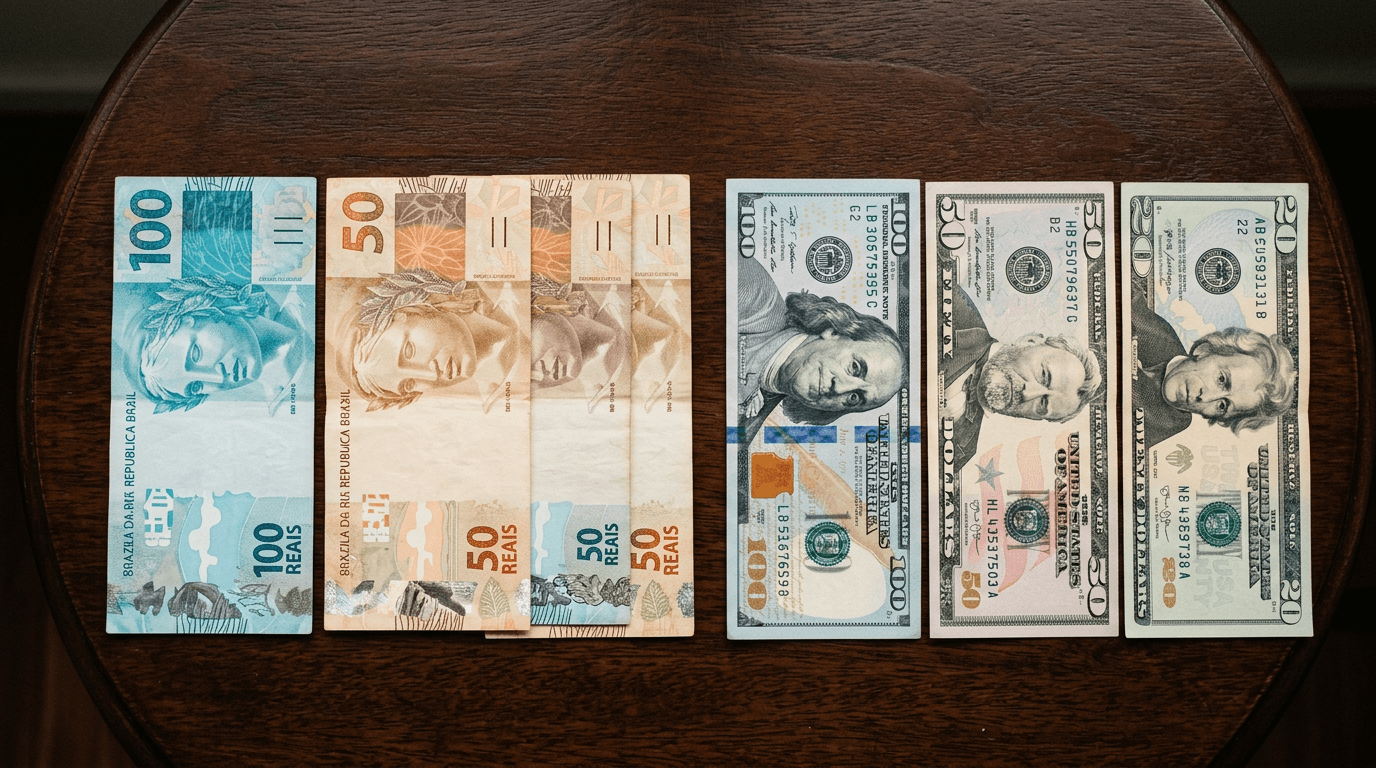
The interest rate gap between the US and Brazil has widened, a dynamic that analysts track for its effects on currency flows and emerging-market funds. As of October 31, 2026, the Federal Reserve kept the upper limit of its federal funds target range at 4.0%, according to official Federal Reserve Bank of St. Louis FRED economic data. While this benchmark rate influences the yield on short-term US Treasuries, it sits in contrast to the double-digit yields offered in some developing economies, creating a wide interest rate spread.
Just across the equator, Brazil’s central bank, the Banco Central do Brasil, maintains a benchmark rate more than three times higher. The institution held its benchmark Selic target rate at 13.75% as of October 28, 2026, as recorded in the central bank's official SGS series 432 database. This leaves the nominal interest rate gap between the upper bound of the US target range and the Brazilian benchmark at 9.75 percentage points.
This gap historically influences the global "carry trade," a financial strategy where institutional investors borrow capital in lower-yielding currencies like the US dollar to purchase higher-yielding assets, such as Brazilian government bonds. Under typical market conditions, a wide premium tends to attract foreign capital into Brazil, which can strengthen the local currency. However, these flows are not guaranteed; if US inflation unexpectedly accelerates or if Brazilian political risk escalates, institutional investors can rapidly unwind these positions, historically triggering volatility in the exchange rate.
Portfolio exposure and currency dynamics
For global asset managers holding international assets, these interest rate dynamics actively shape the currency-adjusted value of their portfolios. The exchange rate, which stood at approximately 5.37 reais per US dollar as of October 29, 2026, according to Banco Central do Brasil data, acts as a translation mechanism for foreign holdings. When the real strengthens against the dollar, the underlying value of those Brazilian holdings increases when converted back to US dollars, even if local stock prices in São Paulo remain unchanged; conversely, a weakening real reduces the dollar-converted value of those same assets.
International fund managers and market analysts closely monitor the effects of this interest rate differential when managing diversified emerging market portfolios or broad international funds that allocate to Latin American equities. Because these funds hold assets denominated in Brazilian reais but are priced in US dollars on American exchanges, their net asset value is highly sensitive to fluctuations in the exchange rate. When the 9.75 percentage point interest rate gap shifts, the resulting currency movements can either amplify or drag on a fund's total dollar-denominated return, independent of the operational performance of the underlying companies.