The 9.75-Point Yield Gap Moving Your Emerging Market Funds
A massive 9.75 percentage point interest rate gap between the Federal Reserve and Brazil's central bank is steering global capital and shaping US fund returns.
For American retail investors holding cash in high-yield savings accounts or money market funds, the Federal Reserve's current interest rate environment remains a primary benchmark. As of November 4, 2026, the Federal Reserve maintains its federal funds target range upper limit at 4.0%, according to Federal Reserve Economic Data (FRED). While that 4.0% yield offers a stable return at home, a dramatically wider yield is quietly dictating the performance of international assets and diversified funds already sitting in US brokerage accounts.
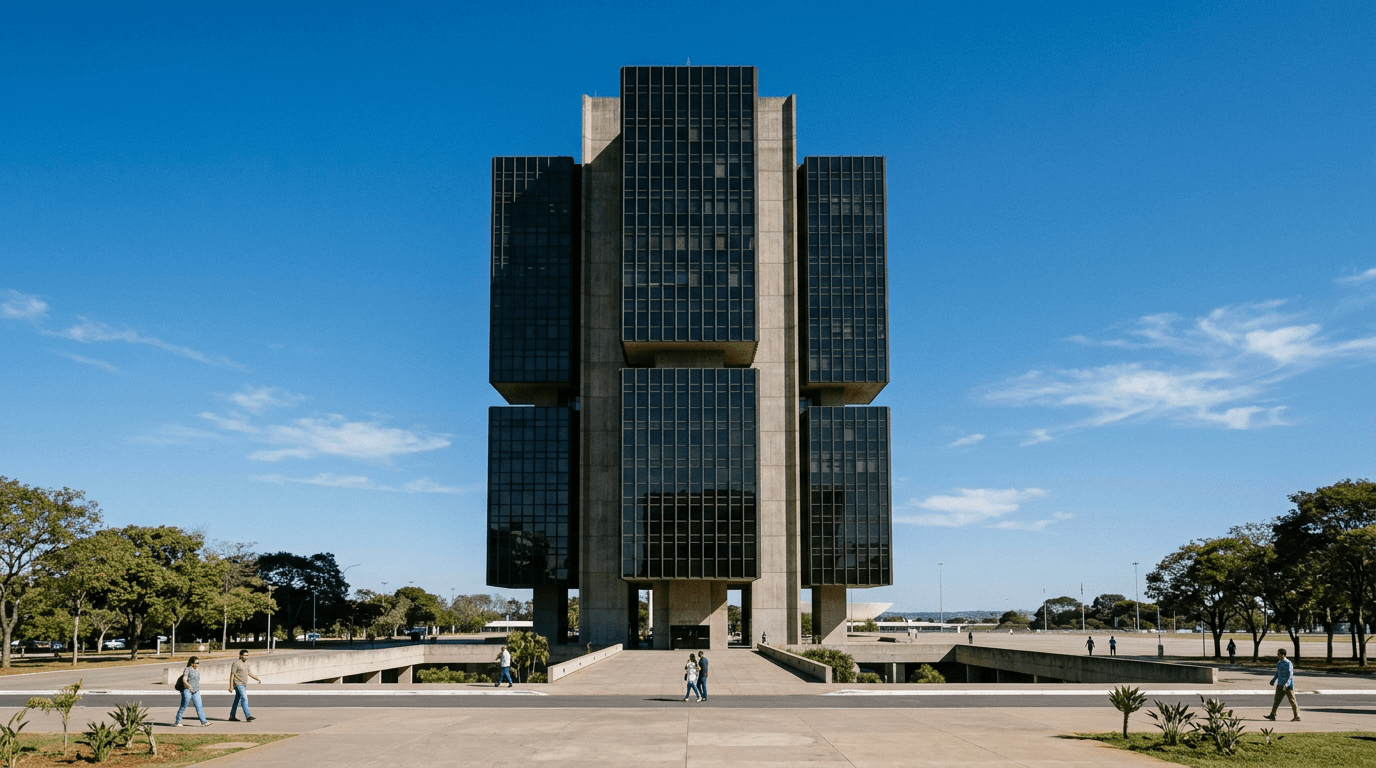
Across the equator, Brazil’s central bank, the Banco Central do Brasil, is paying a benchmark Selic rate of 13.75%, as recorded on November 4, 2026, in the BCB Time Series Management System (SGS). This leaves a massive 9.75 percentage point interest rate gap between the two economies. This yield differential is exactly the same as it was 30 days ago, maintaining a high-stakes premium for investors willing to look beyond US borders.
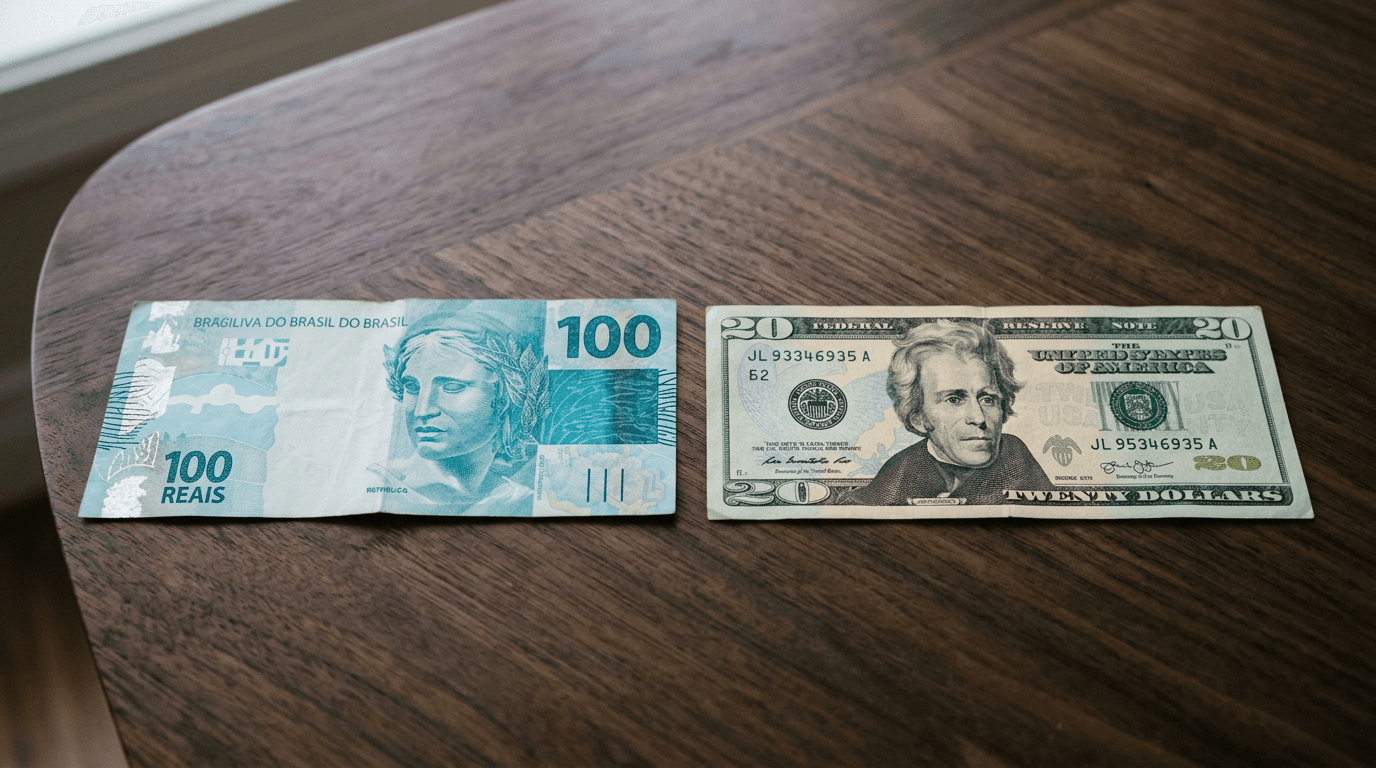
This yield gap is the fundamental mechanism behind the "carry trade"—where institutional investors borrow dollars at low interest rates to purchase high-yielding Brazilian government bonds. When this gap is wide, it typically supports the currency, making the brazil real vs dollar exchange rate a critical metric for global fund managers. For US retail investors, this means the value of any broad emerging market fund or Latin American equity portfolio they own is heavily exposed to how this 9.75-point gap shifts.
The Mechanics of Political and Economic Risk
While a 13.75% yield sounds incredibly attractive, it exists to compensate investors for political and fiscal risks. In Brazil, public policy decisions and government spending targets are heavily scrutinized by the central bank's monetary policy committee, known as Copom. If the federal government increases public spending, inflation expectations rise, forcing the central bank to keep the Selic rate high to protect the currency and anchor prices.
This high-rate environment is a double-edged sword for the brazil real to usd valuation. On one hand, the 9.75-point premium attracts foreign capital into Brazilian fixed income. On the other hand, double-digit borrowing costs weigh heavily on local corporations, suppressing domestic economic growth and corporate earnings. For an American investor, a high Selic rate can boost the currency value of their Brazilian holdings, but it can simultaneously depress the stock prices of the underlying companies.
In your brokerage app
For retail investors using platforms like Fidelity, Schwab, or Robinhood, this interest rate dynamic is most directly felt through the iShares MSCI Brazil ETF, a US-listed exchange-traded fund that tracks the largest companies in Brazil. Because this fund is denominated in US dollars, its daily performance is highly sensitive to the brazil real to usd exchange rate. When the 9.75-point yield gap successfully draws foreign capital into Brazil, the real strengthens, boosting the net asset value of the fund for US shareholders, even when local equity markets remain flat.