Fed vs. Brazil: Understanding the 9.75-Point Interest Rate Gap
The wide interest rate spread between the Federal Reserve and Brazil's central bank shapes currency dynamics and foreign asset exposure.
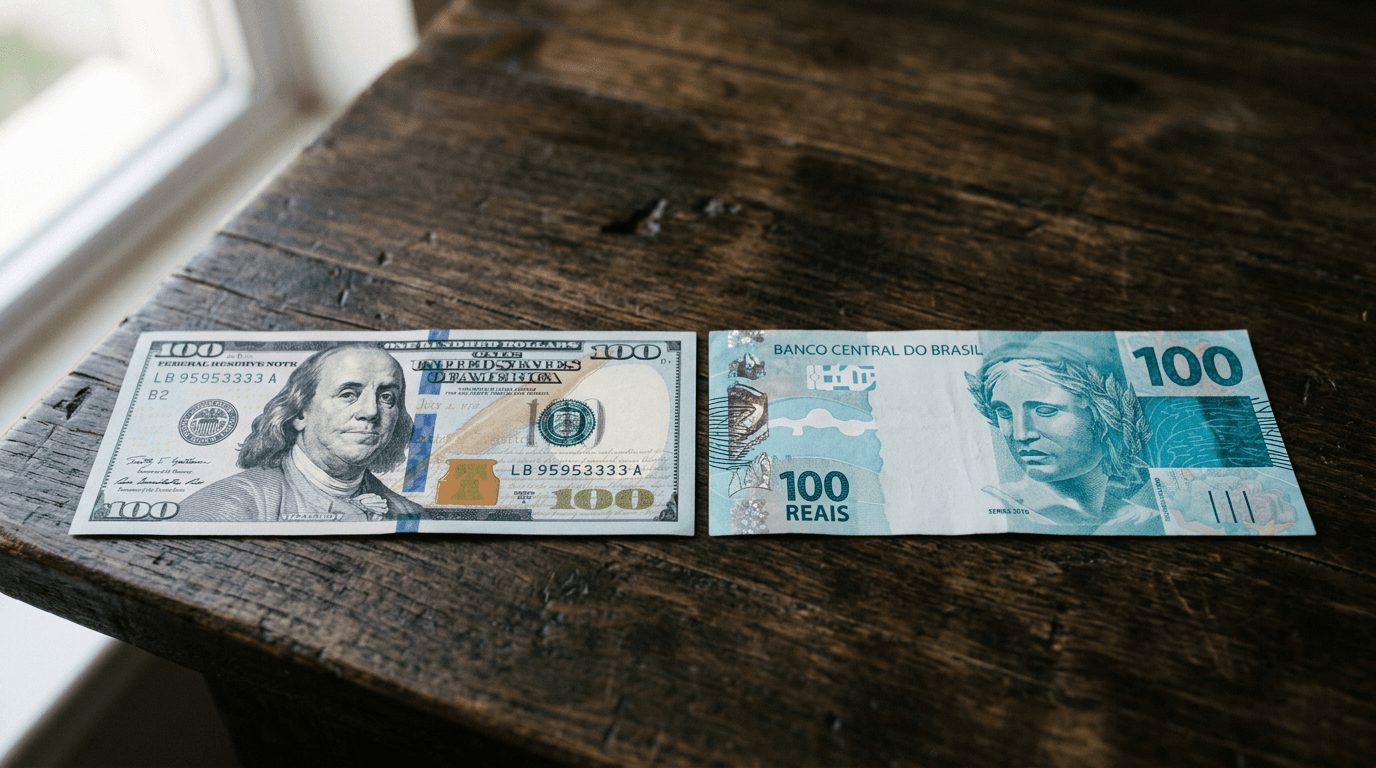
For American retail investors holding standard diversified portfolios, the Federal Reserve's interest rate decisions dictate everything from high-yield savings account returns to the performance of domestic stock indexes. When the Fed sets its policy, it establishes a baseline for global capital. As of November 2, 2026, the Federal Reserve maintains its upper target for the federal funds rate at 4.0%, according to St. Louis Fed FRED data.
But in the world of international finance, capital constantly migrates to where it is treated best. Just across the hemisphere, Brazil's central bank—the Banco Central do Brasil—maintains its benchmark Selic rate at 13.75%, as verified by the BCB's SGS database on November 3, 2026. This creates a massive 9.75-percentage-point interest rate gap between the two nations, a spread that has held steady over the last 30 days.
This yield differential is the engine behind the "carry trade," a strategy where institutional investors borrow money in low-interest currencies like the US dollar to buy high-yielding assets denominated in the Brazilian real. When this gap is wide, it historically exerts upward pressure on the USD/BRL exchange rate (Google Finance). While this dynamic has historically been associated with upward pressure on returns for foreign holdings, actual investment outcomes are not guaranteed and depend on multiple macroeconomic variables. Conversely, if the gap narrows, capital can rapidly flee, dragging down the value of those same foreign holdings.
Balancing Inflation and Political Shifts
Brazil's central bank, led by its Monetary Policy Committee (Copom), has kept the Selic rate at 13.75% to combat persistent domestic inflation. While the bank executed a series of gradual cuts earlier in 2026—bringing the rate down from a peak of 15.00% in late 2025—policymakers have paused the easing cycle.
This pause reflects both economic caution and political transitions. Following the conclusion of the October 2026 presidential election, in which Luiz Inácio Lula da Silva secured his re-election with 51.8% of the vote, according to official electoral court results reported by the Associated Press, policymakers are closely monitoring the new administration's fiscal plans. Central bankers use high interest rates as a shield against political risk; if government spending rises, the central bank keeps rates high to prevent the currency from depreciating and driving up import costs.
From an analytical perspective, some market commentators suggest the 9.75-point yield cushion could remain intact for the near future if fiscal pressures persist. While high yields protect the currency, they also increase the borrowing costs for Brazilian corporations, acting as a double-edged sword for the country's equity markets.
In your brokerage app
If you own broad emerging market exchange-traded funds, this rate gap directly impacts your balance. Funds that track Latin American equities or diversified emerging markets are highly sensitive to both the strength of the Brazilian real and the restrictive domestic interest rates that affect corporate earnings. For illustrative purposes, investors often look to broad-market index funds targeting Brazilian equities to gauge how these interest rate differentials and currency fluctuations translate into foreign asset valuations in a US brokerage account.