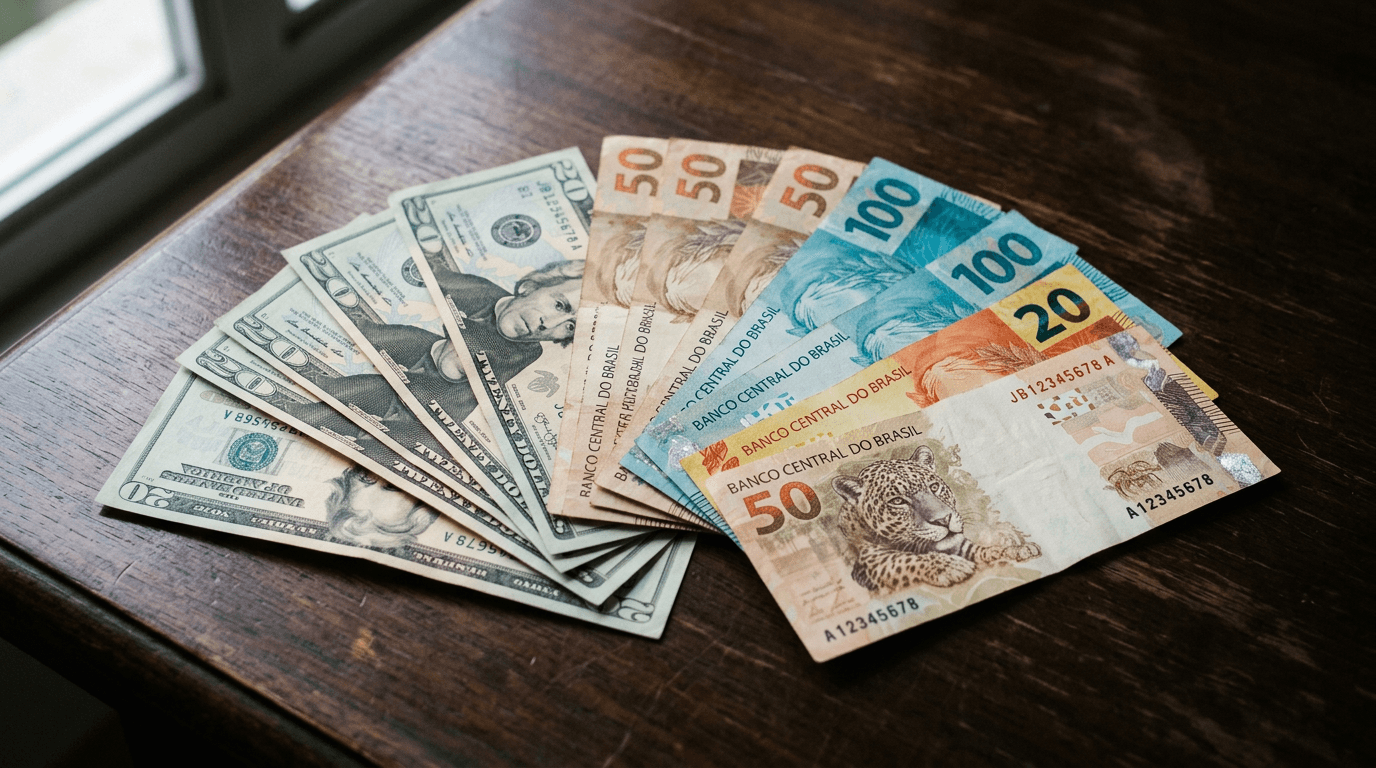
US Dollar Surges Against Brazilian Real as Central Bank Halts Cuts
The Brazilian real fell to a 15-month low after the central bank paused interest rate cuts at 13.75%, citing fiscal risks and rising inflation.
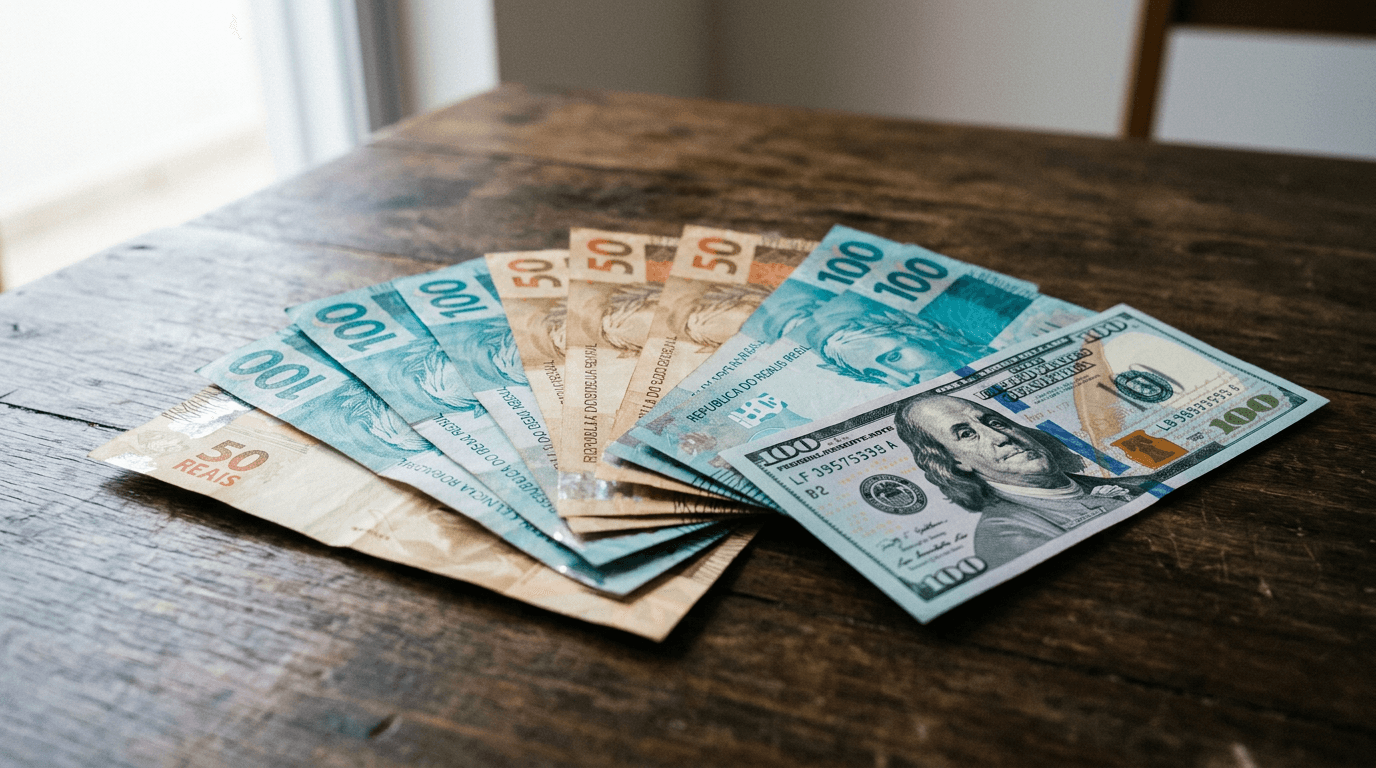
Global investors holding emerging-market assets are facing a sharp currency headwind as a hotter-than-expected U.S. inflation reading and domestic policy friction push the greenback to heights not seen in over a year. The U.S. dollar surged to 5.5860 reais on November 10, 2026, marking its highest close against the Brazilian currency since July 31, 2025.
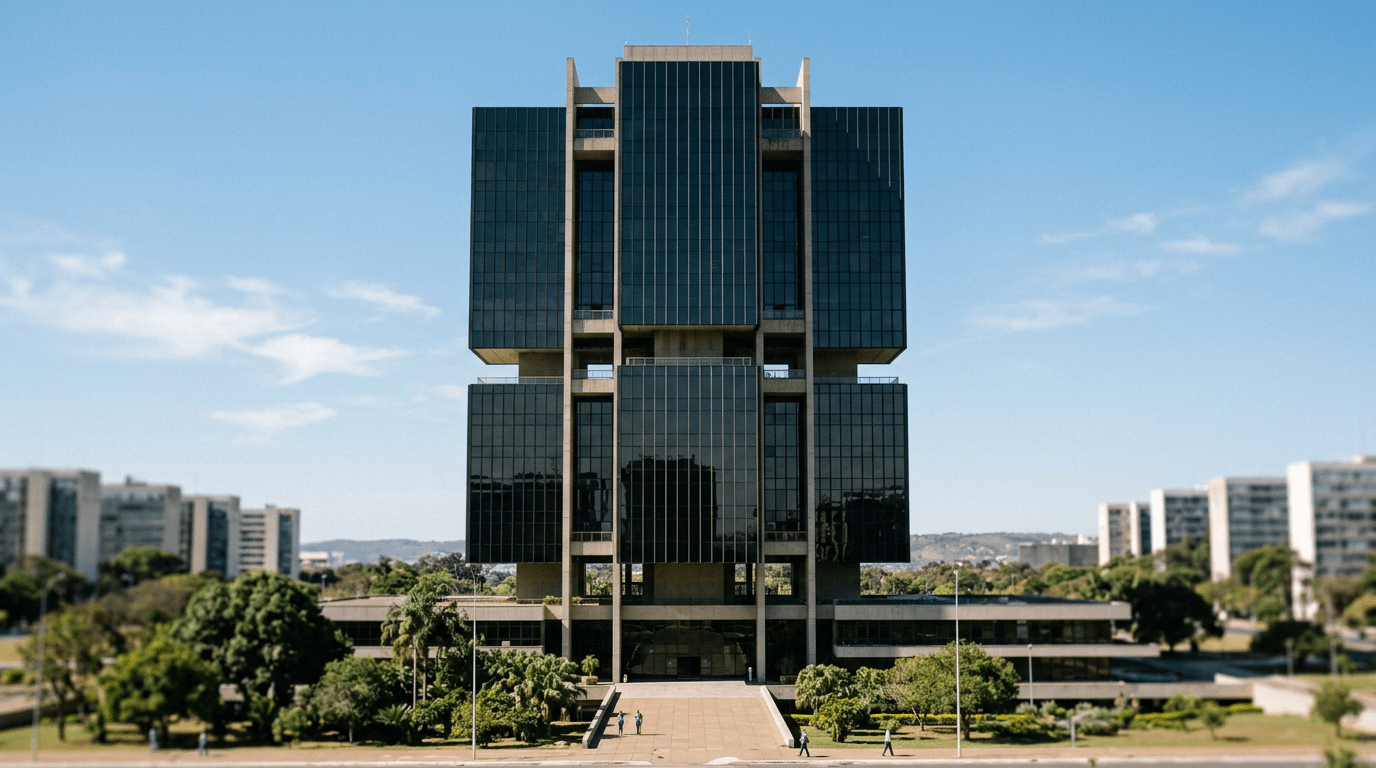
The plunge in the brazil real to usd exchange rate followed a decisive shift by the Central Bank of Brazil (BCB). On November 4, 2026, the bank's monetary policy committee, known as Copom, voted unanimously to halt its rate-cutting cycle, keeping the benchmark Selic rate unchanged at 13.75%. The decision ended a consecutive run of five quarter-point cuts that had begun earlier in the year.
In its formal meeting minutes released on November 10, 2026, the central bank cited deteriorating inflation expectations and domestic fiscal uncertainties as key drivers behind the policy pause. Under the country's continuous inflation-targeting system, the bank is tasked with steering inflation toward a 3% target. However, private-sector forecasts compiled in the central bank's Focus survey have climbed to 5.2% for 2026 and 4.8% for 2027, well above the official target.
The currency's depreciation has been compounded by political friction following the re-election of leftist President Luiz Inacio Lula da Silva on October 25, 2026. While the administration has prioritized social spending programs, market analysts and central bankers remain cautious about the government's ability to maintain fiscal balance. The central bank explicitly warned in its minutes that loose public spending and a weaker currency are feeding into supply shocks, making further interest rate cuts highly unlikely in the near term.
For global retail investors, a weaker brazil real vs dollar exchange rate directly erodes the value of Brazilian equities when converted back into U.S. dollars. Although high local interest rates of 13.75% theoretically offer attractive yields, the underlying currency risk remains a major hurdle for foreign capital.
In your brokerage app
For retail investors looking to track or trade this currency volatility, the iShares MSCI Brazil ETF, listed in New York, offers direct exposure to large and mid-sized Brazilian companies. Because this fund holds assets denominated in Brazilian reais, its net asset value in U.S. dollars is highly sensitive to fluctuations in the USD/BRL exchange rate.