Why a 9.75-Point Rate Gap is Keeping the Brazilian Real in Play
The massive interest rate gap between the Federal Reserve and Brazil's central bank continues to shape capital flows and influence U.S.-listed funds.
For American retail investors holding cash in high-yield savings accounts or brokerage sweep funds, the Federal Reserve’s current interest rate policy has established a familiar baseline. Following its October 2026 meeting, the Federal Reserve maintained its federal funds target range upper limit at 4.00%, with the lower limit at 3.75%, according to Federal Reserve Board data. While that yield keeps domestic cash relatively warm, a massive international yield gap is quietly driving the global currency markets and shaping the performance of international funds that many Americans already hold in their portfolios.
Across the equator, Brazil’s central bank, the Banco Central do Brasil, is running a vastly different playbook. The country's benchmark Selic target rate stands at 13.75%, following a 25-basis-point reduction on September 16, 2026, according to official Banco Central do Brasil records. This creates a massive 9.75 percentage point yield gap between the upper limit of the two economies' benchmark rates—a spread that has remained unchanged since the Brazilian central bank's monetary policy committee, known as Copom, last adjusted the rate.
The Mechanics of the Carry Trade
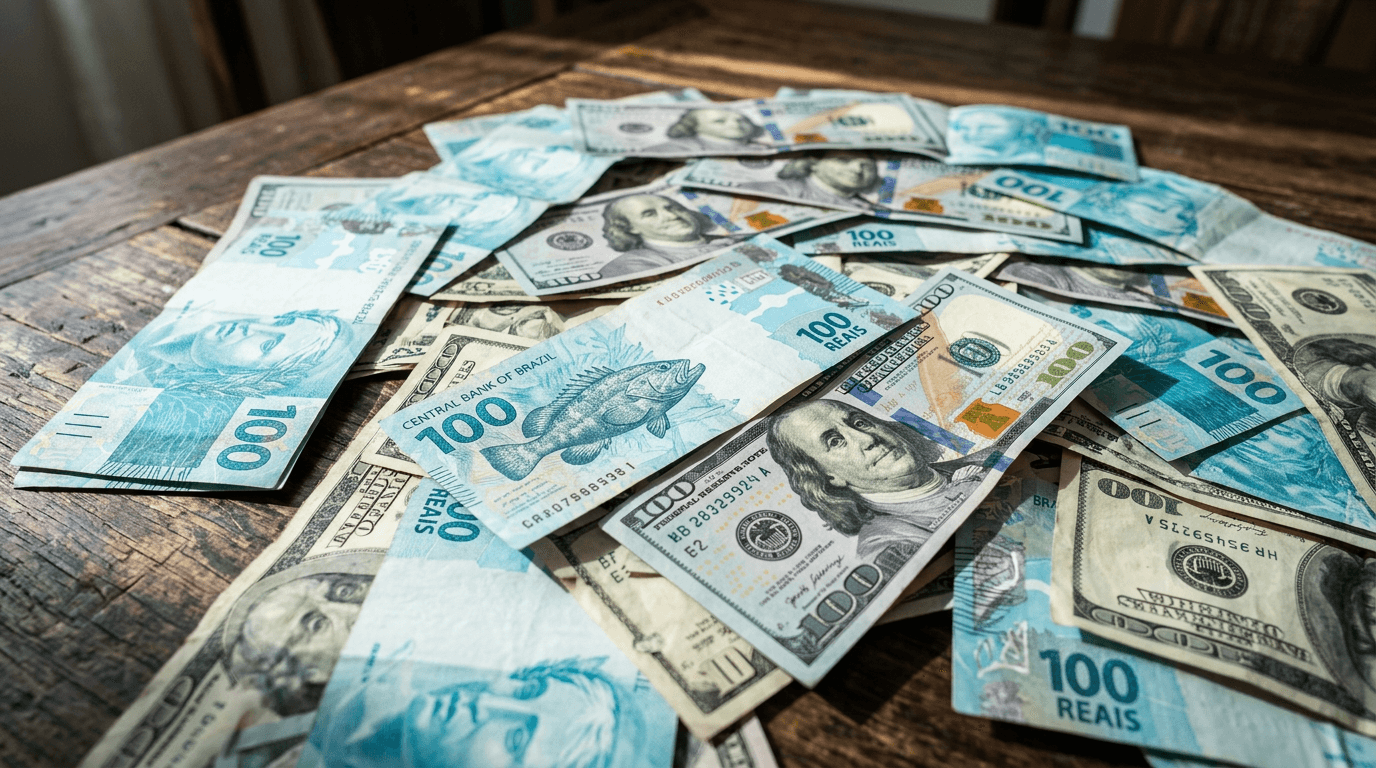
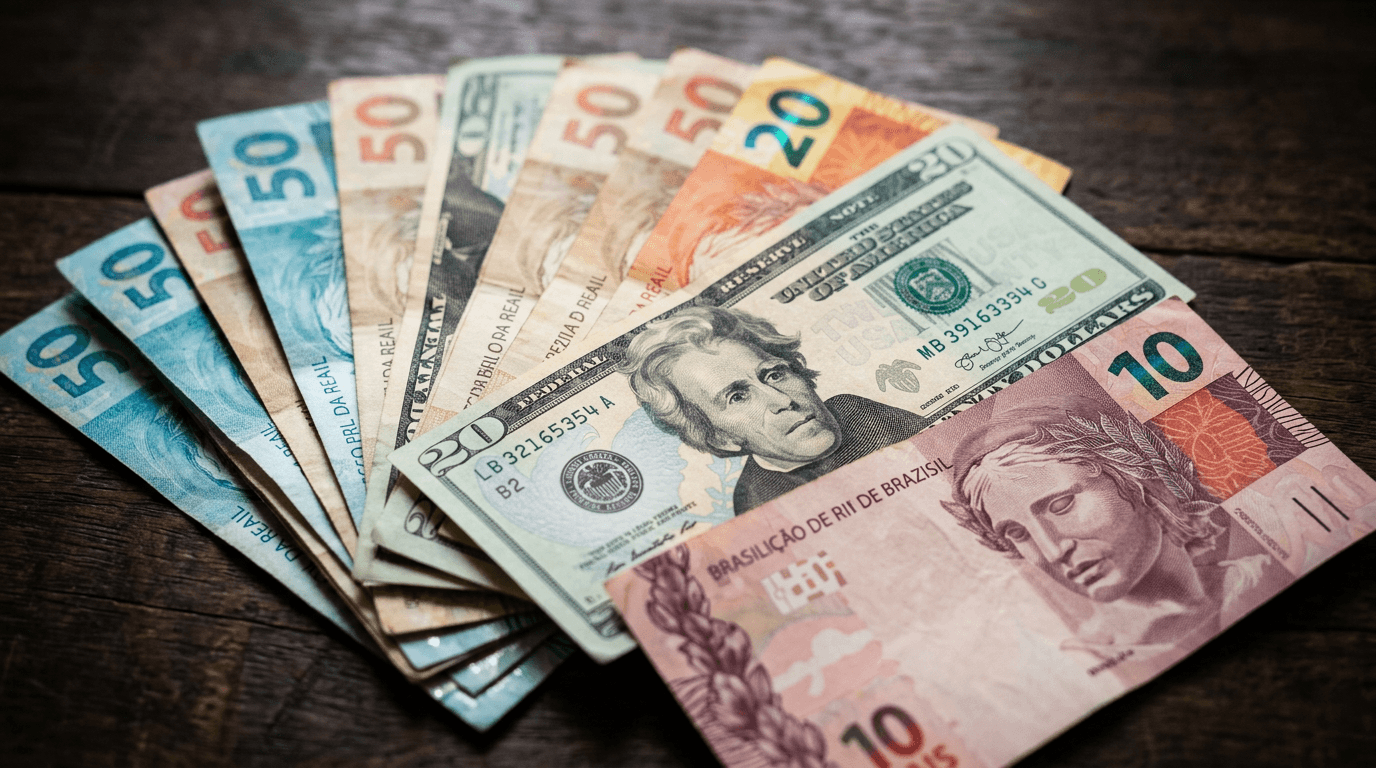
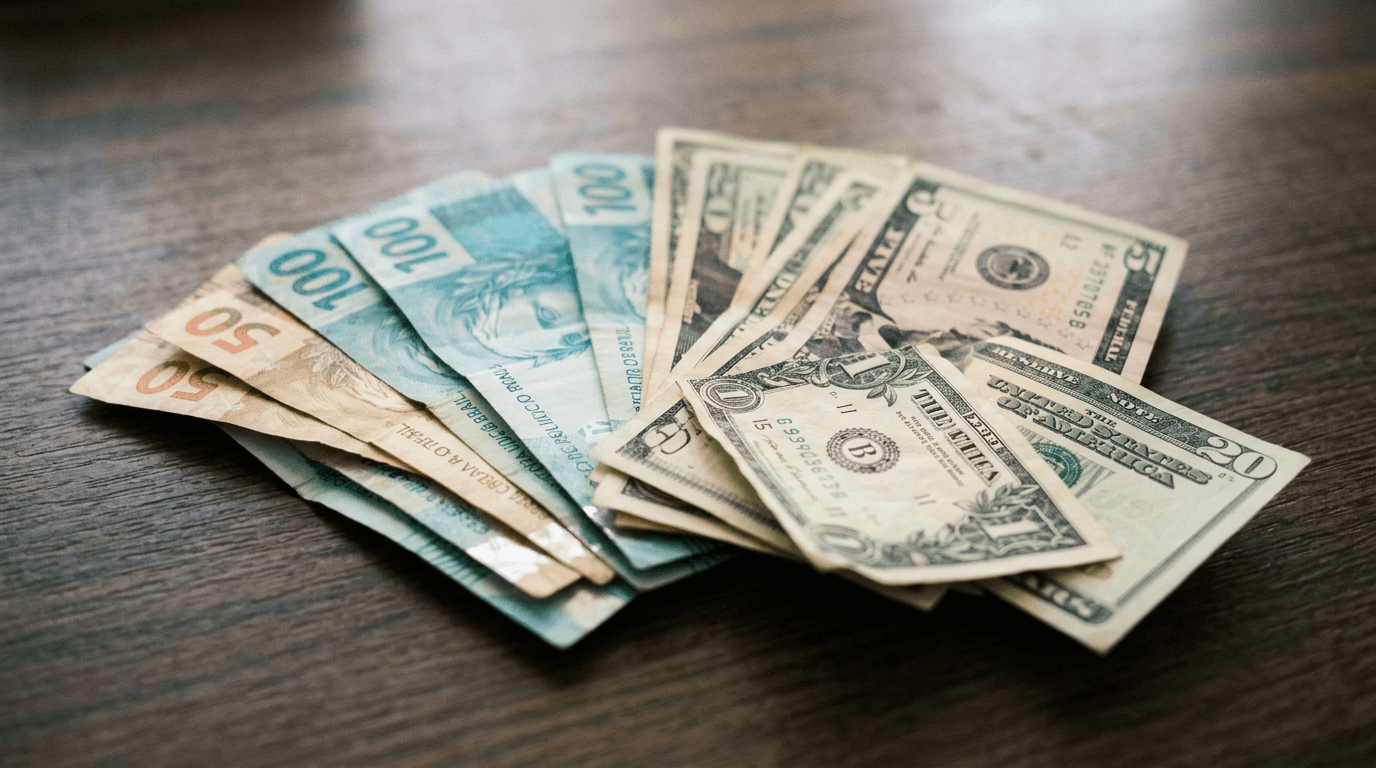
This 9.75-point yield canyon is the engine behind the "carry trade," a financial maneuver where institutional investors borrow money in low-interest currencies (like the U.S. dollar) and invest it in high-yielding ones (like the Brazilian real). For global investors, this spread acts as a buffer. It means holding Brazilian debt pays a substantial premium over U.S. Treasuries, which historically has been associated with cushioning the Brazilian real against the U.S. dollar despite local political noise.
However, this high yield is not a free lunch; it is a direct response to risk. Copom keeps rates elevated to combat persistent domestic inflation and to compensate investors for political uncertainty. Following the reelection of President Luiz Inácio Lula da Silva in late October 2026, global markets have shown high sensitivity to fiscal policy decisions. Any sign that the administration might breach its constitutional spending rules or interfere with the central bank's independence could cause investors to demand an even higher premium, which may put pressure on the Brazilian real's exchange rate.
For a U.S. retail investor, this interest rate gap is a primary force moving the value of Brazilian assets. When the gap is wide and stable, it can influence the flow of foreign capital, which in turn can affect the strength of the Brazilian real and the underlying value of U.S.-listed funds that hold Brazilian equities. Conversely, if the Fed raises rates or Brazil continues to cut theirs, the gap narrows, which historically has been associated with a rapid exit of foreign capital and a depreciation of the Brazilian real.
In your brokerage app
If you hold Brazil-focused ETFs generally, such as those tracking large and mid-sized Brazilian companies, your investment is directly exposed to this interest rate dynamic. Because the underlying stocks in these funds are denominated in Brazilian reals, any fluctuation in the Brazilian real to U.S. dollar exchange rate directly impacts the fund's net asset value in U.S. dollars, independent of how the actual companies perform on the local São Paulo stock exchange.