Brazil's Post-Election Currency Slide Puts Copom in a Policy Bind
Following President Lula's reelection, a sharp currency selloff and persistent inflation have forced a reassessment of Brazil's interest rate path.
For global investors monitoring international debt markets, sudden currency swings and shifting foreign monetary policy can quickly reshape the risk profile of overseas assets. This dynamic has taken center stage in Latin America's largest economy, where a post-election market selloff is forcing a sharp reassessment of the country's interest rate trajectory.
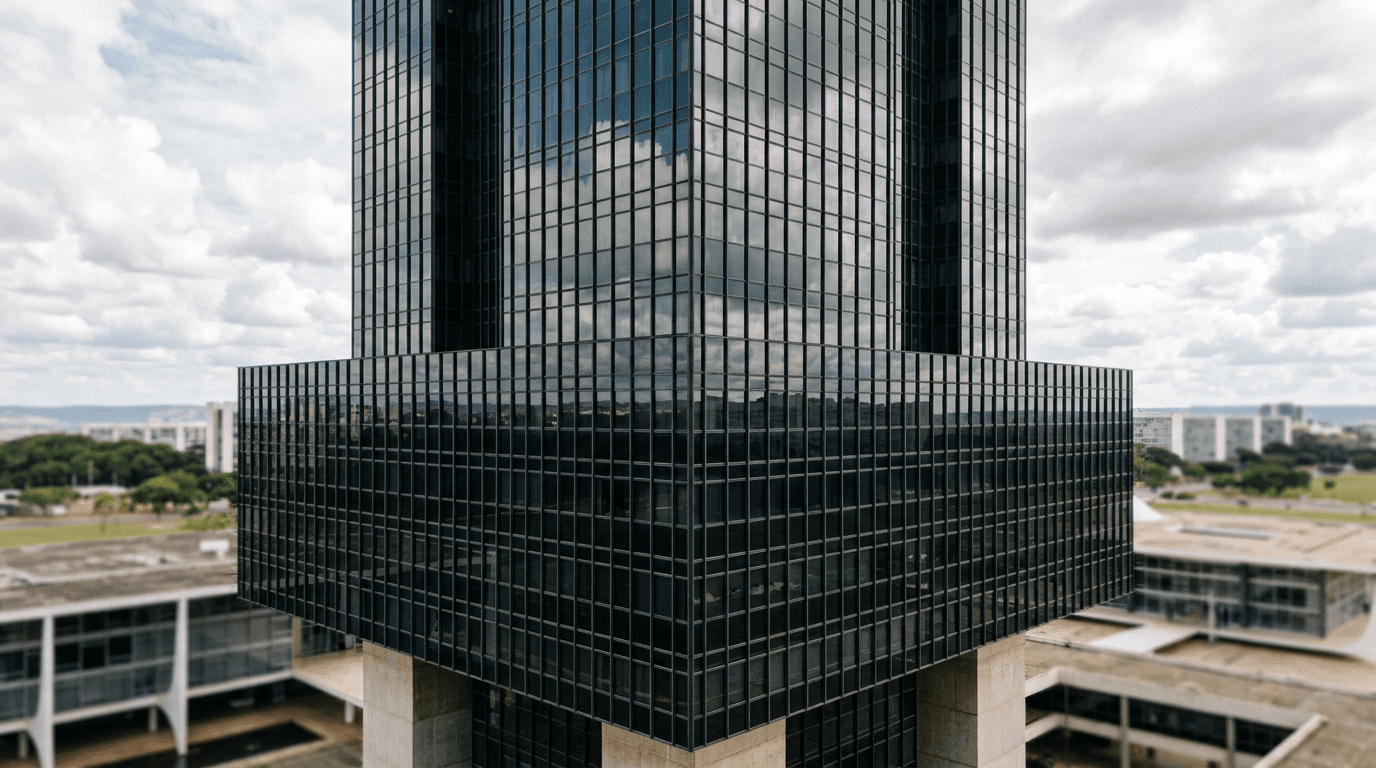
The Central Bank of Brazil is scheduled to announce its next monetary policy decision on November 4, 2026. Its rate-setting committee, known as Copom, is facing a stark division among market participants. While private-sector economists previously expected a gradual 25-basis-point cut to bring the benchmark Selic rate down to 13.50%, a post-election currency slide has forced interest-rate futures to price in a potential defensive rate hike to protect the depreciating currency.
Brazil's nominal interest rates remain among the highest in the world. On September 16, 2026, Copom unanimously delivered its fifth consecutive quarter-point cut, lowering the benchmark Selic rate to 13.75% per year. However, inflation pressures persist. According to the Brazilian Institute of Geography and Statistics (IBGE), Brazil's preliminary IPCA-15 consumer price index rose 0.32% in the month through mid-October, bringing the 12-month trailing inflation rate to 4.62%. This annual rate sits above the central bank's official tolerance ceiling of 4.50%, complicating the monetary easing cycle.
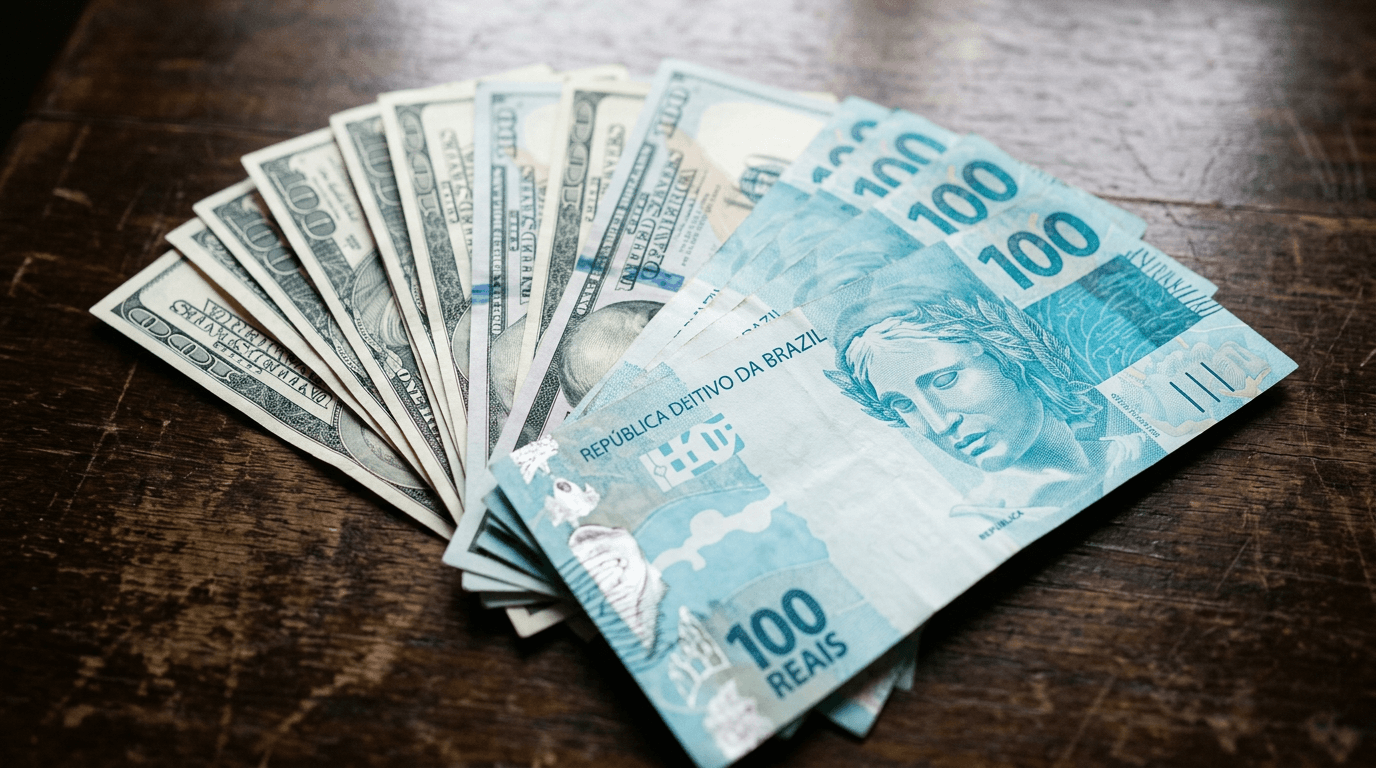
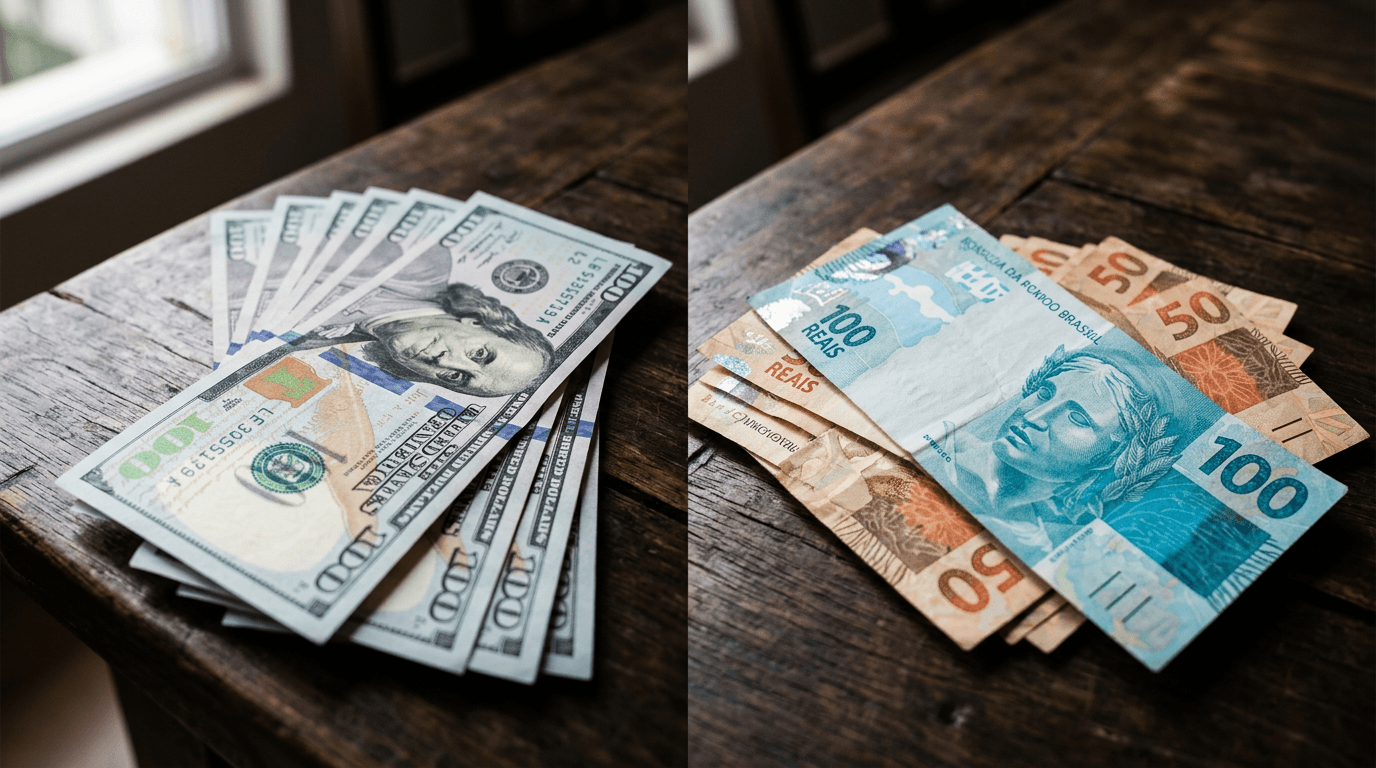
The political landscape has introduced fresh volatility to local markets. Following the October 25, 2026, presidential run-off election—in which left-wing incumbent President Luiz Inácio Lula da Silva secured reelection over right-wing challenger Senator Flávio Bolsonaro—local assets experienced a sharp selloff. On October 26, 2026, the first trading day after the confirmation of Lula's victory, the Brazilian real fell 8.1% against the U.S. dollar, while the local Ibovespa stock index plunged 13.9%.
This sharp depreciation of the real complicates the central bank's next move. If Copom continues to cut rates on November 4, 2026, it risks further weakening the currency and fueling imported inflation. Conversely, keeping the Selic rate at 13.75% or implementing a defensive hike would worsen the government's fiscal position. According to Central Bank of Brazil data released on October 29, 2026, Brazil's interest bill rose to 8.99% of gross GDP over the 12 months through September, marking the highest debt-servicing burden the country has carried since January 2016.
For global fixed-income markets, the upcoming policy decision will serve as a key indicator of how emerging-market debt classes navigate the balance between high nominal yields and heightened fiscal uncertainty. Persistent currency weakness and rising government borrowing yields continue to present headwinds for the broader asset class as the country transitions into its next presidential term.