Fed Policy and Brazil Inflation Force Halt to Emerging Market Carry Trades
Brazil's central bank is poised to pause its interest rate cuts to defend the real, squeezing US retail investors holding local bonds and carry-trade funds.
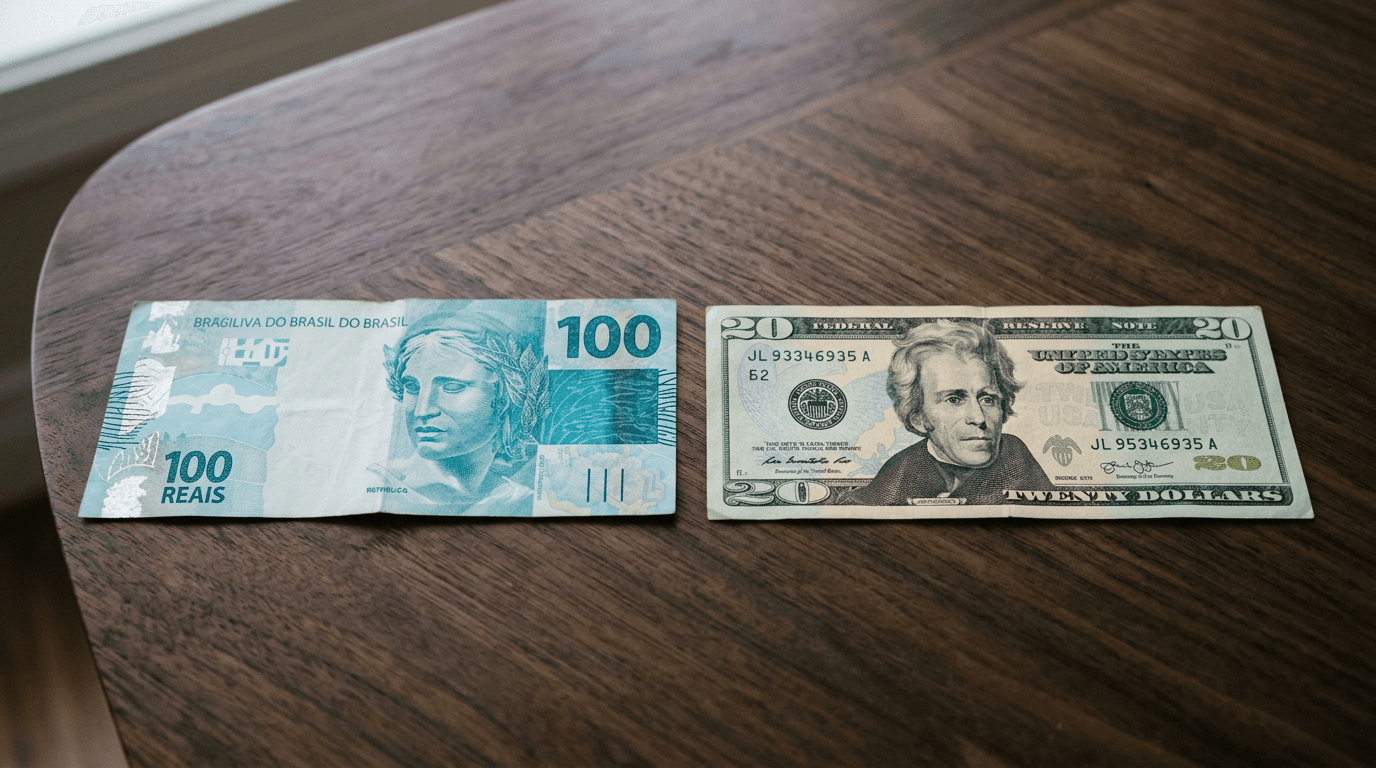
US retail investors holding international bond funds or tracking emerging-market currencies are facing a sudden shift in one of the world’s most lucrative yield-seeking strategies. For months, the gap between high Brazilian yields and the U.S. Federal Reserve's benchmark rate allowed global investors to profit from the "carry trade"—borrowing in cheaper currencies to invest in high-interest Brazilian debt. However, a sudden defensive pivot by South American policymakers is rewriting the rules for these portfolios.
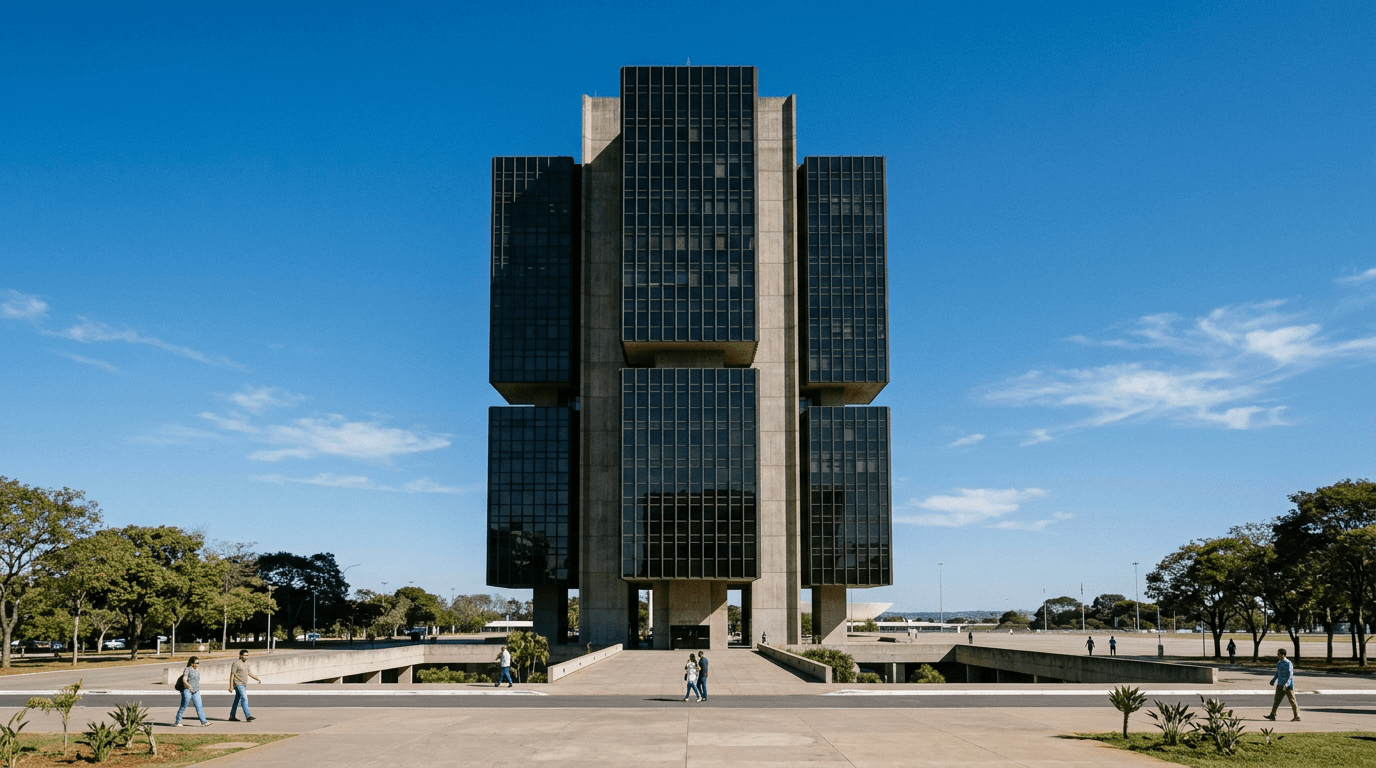
The Central Bank of Brazil is widely expected to halt its cycle of interest rate cuts at its policy meeting on November 4, 2026. Financial markets have priced in an 85.5% probability that the bank's rate-setting committee, known as Copom, will hold the benchmark Selic rate steady at 13.75%, abandoning previous widespread expectations of a quarter-point cut. This sudden pause comes as a post-election currency selloff and stubborn domestic inflation complicate the central bank's plans to ease monetary policy.
The primary driver behind this policy shift is a sharp acceleration in consumer prices. According to the national statistics agency IBGE, Brazil's annual inflation rate rose to 4.58% in September 2026, up from 4.22% in August. This acceleration pushed inflation above the central bank's official target tolerance ceiling of 4.50%, fueled by rising transport costs and international oil price volatility.
The deteriorating inflation outlook has forced private-sector economists to rapidly adjust their expectations. In the central bank's weekly Focus survey published on November 3, 2026, analysts raised their median end-2026 Selic rate forecast to 13.50% from the 13.25% projected just a week earlier. With the benchmark rate poised to remain frozen at 13.75%, the real interest rate—adjusted for inflation—remains near 8.77%, among the highest in the world.
While these ultra-high nominal yields continue to offer a massive premium over U.S. Treasuries, the halt in rate cuts signals growing political and economic risks. The Brazilian real suffered a sharp selloff following the October 25, 2026 reelection of leftist President Luiz Inacio Lula da Silva, as investors weighed the government's fiscal spending plans against the central bank's institutional autonomy. For foreign investors, the risk is that a depreciating currency could quickly wipe out the high interest gains when converted back into U.S. dollars.
In your brokerage app
For retail investors looking to capture these yields or manage their exposure, the shifts in Brazil's monetary policy directly impact the VanEck Brazil Small-Cap ETF, listed in New York, which holds a basket of rate-sensitive domestic companies. Investors seeking direct exposure to the local currency and debt yields often trade the WisdomTree Emerging Currency Strategy Fund, an actively managed exchange-traded fund that frequently holds Brazilian debt and currency contracts alongside other high-yield emerging market assets.