What the 9.75% Brazil-U.S. Interest Rate Gap Means for Capital Flows
The wide yield spread between Brazil's 13.75% Selic rate and the Federal Reserve's 4.00% upper target limit continues to shape currency dynamics.
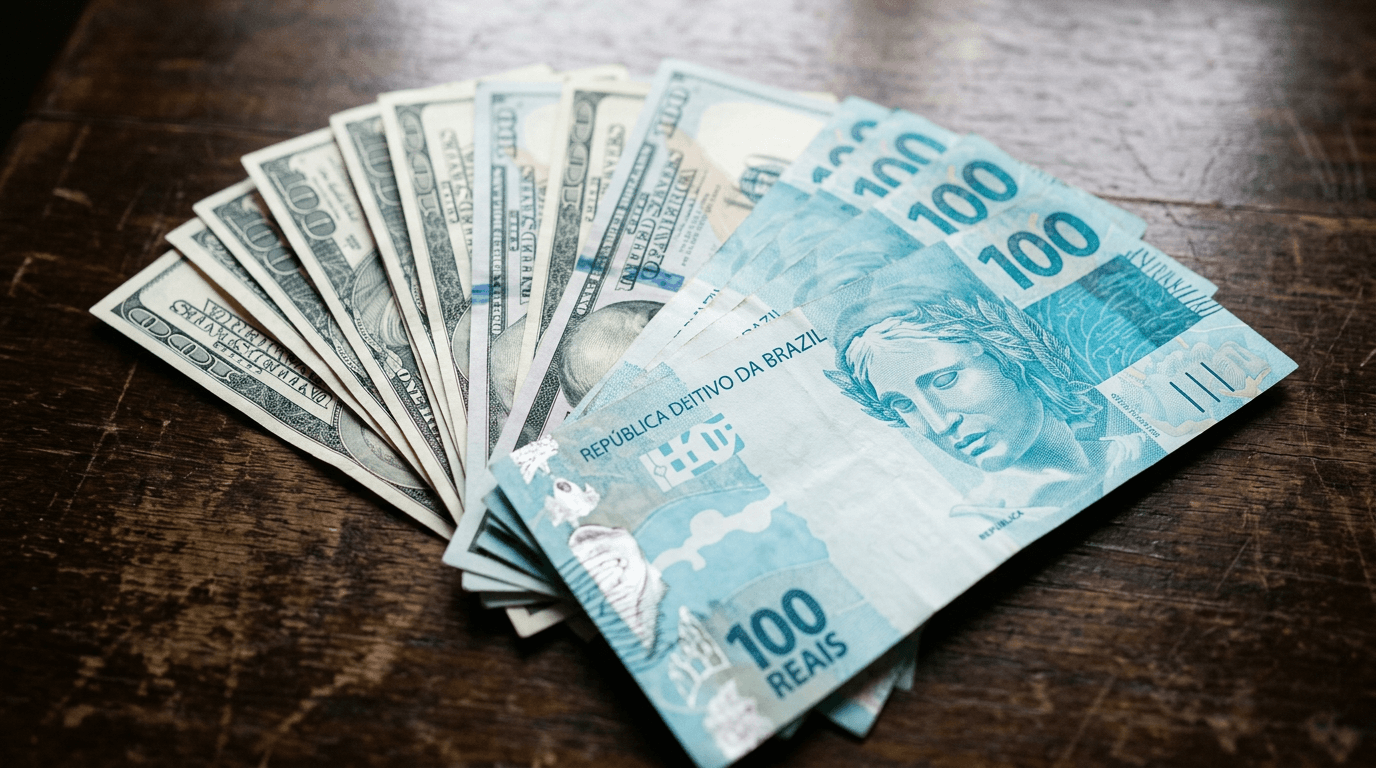
Every time the Federal Reserve adjusts its interest rates, the ripples are felt across global financial markets. When the Fed sets its target rate, it establishes the baseline return for the safest assets in the world: U.S. Treasuries. But for global investors tracking international capital flows, the real action is often happening in the massive yield gaps that open up between the U.S. and foreign central banks.
In Brazil, the central bank (known as the Banco Central do Brasil, or BCB) has maintained its benchmark Selic rate at 13.75%. This rate was established by the bank's monetary policy committee, Copom, during its September 16, 2026, meeting. With the Federal Reserve’s upper target limit holding steady at 4.00% following the October 28, 2026, FOMC decision, the nominal yield gap between the two nations stands at 9.75 percentage points.
Decoding the yield spread and the Brazilian real
For global macro strategists, this 9.75% spread is a key driver of international capital flows and the exchange rate of the Brazilian real. In macroeconomic theory, a wide interest rate differential encourages capital to flow toward the higher-yielding currency, as institutional investors seek to capture the yield premium. This mechanism historically provides support for the Brazilian currency against the greenback. Conversely, if the spread narrows, capital can exit rapidly, exerting downward pressure on the local currency.
However, high nominal yields do not exist in a vacuum. The BCB has kept rates restrictive to manage domestic inflation expectations and services inflation. While a high nominal rate can act as a buffer against currency depreciation, it also reflects the domestic economic challenges and fiscal premiums that international investors demand to hold Brazilian debt.
Fiscal dynamics and political risk
The primary factor keeping global markets cautious is the fiscal outlook and political risk surrounding government spending. According to central bank data released in late October 2026, Brazil's interest bill rose to 8.99% of gross domestic product in the 12 months through September 2026, reflecting the high cost of servicing government debt linked to the Selic rate.
Market analysts note that this risk premium keeps borrowing costs elevated. In theoretical scenarios, if the Brazilian government demonstrates tighter fiscal discipline or implements structural reforms, some economists suggest the perceived risk premium could decline, potentially stabilizing the currency and lowering long-term interest rates. Conversely, unexpected fiscal expansion or political friction could increase volatility, offsetting the nominal yield advantage through currency depreciation.
In your brokerage app
For retail investors holding diversified international assets, these macroeconomic forces influence broad emerging-market exchange-traded funds. Funds that track Brazilian equities or debt are structurally exposed to both local interest rates and the fluctuations of the Brazilian real against the U.S. dollar. When the interest rate spread remains wide and the currency stabilizes, it alters the underlying valuation of these dollar-denominated international holdings, though any potential benefit remains subject to local fiscal and political developments.