Why the Fed rate and Brazil's 13.75% Selic matter to your portfolio
The Federal Reserve's steady target rate and Brazil's decision to pause its rate-cutting cycle at 13.75% have locked in a massive yield gap.
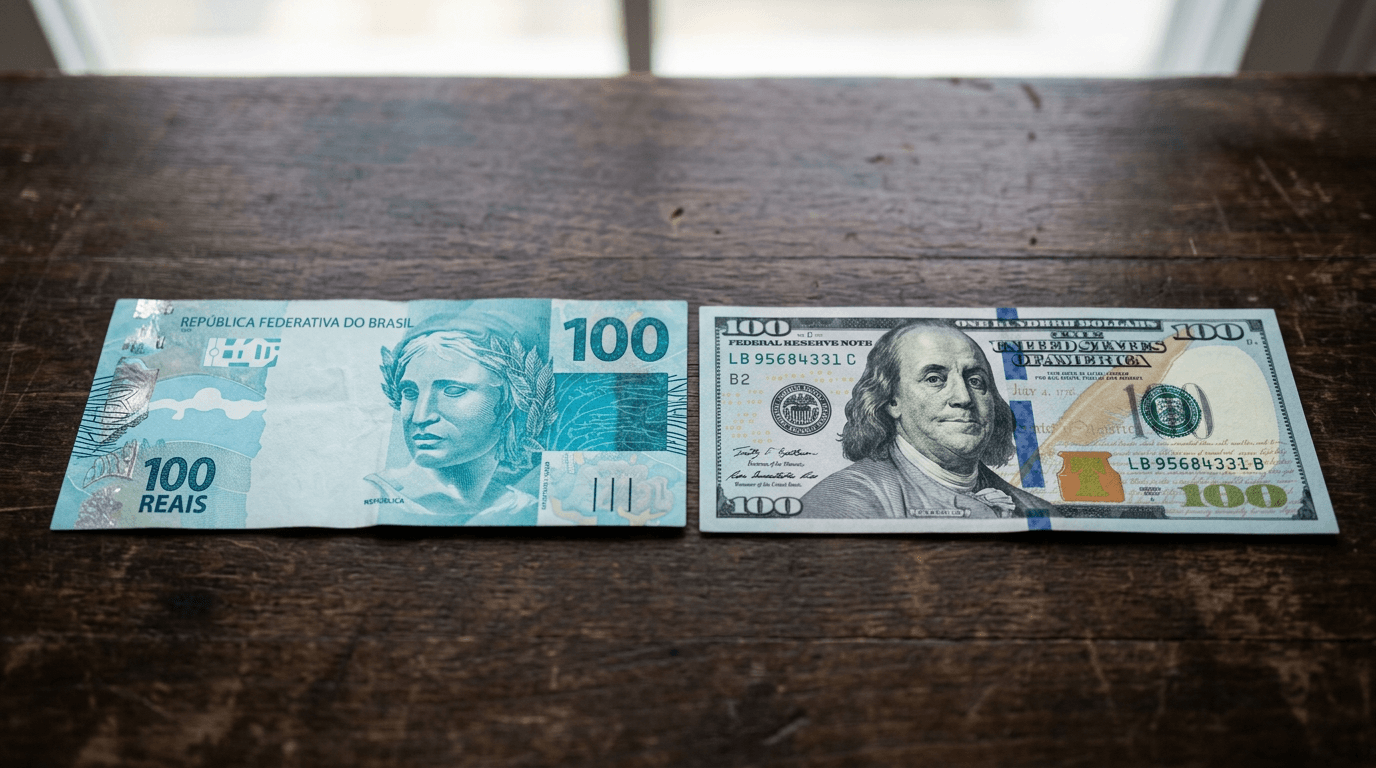
When you check your brokerage account, the yield on your cash sweep or short-term U.S. Treasury bills is likely anchored to the Federal Reserve’s benchmark. On October 28, 2026, the Federal Open Market Committee voted to maintain the federal funds target range at 3.75% to 4.00%. While a 4.00% upper limit offers a stable baseline for American retail investors, a massive yield disparity is quietly shifting capital flows across the Americas and directly impacting international funds you might already hold.
Just a flight away, Brazil's central bank ended its cycle of rate cuts. On November 4, 2026, the Monetary Policy Committee, known locally as Copom, voted unanimously to keep its benchmark Selic rate unchanged at 13.75%. This leaves a wide 9.75-percentage-point gap between the upper limits of the two countries' interest rates, complicating the outlook for international investors.
For global macro investors, this gap is the foundation of the "carry trade." In this strategy, institutional traders borrow money in low-interest currencies like the U.S. dollar and invest it in high-yielding assets denominated in the Brazilian real. When the gap is wide, it acts as a magnet for foreign capital, supporting the local currency. Conversely, if the Federal Reserve keeps rates higher for longer or if Brazil's central bank cuts rates too quickly, that gap narrows, prompting investors to pull money out and causing the Brazilian real to swing.
Understanding this mechanism is crucial because it directly influences the value of American investments in Latin America. When the carry trade is highly profitable, foreign inflows strengthen the currency, boosting the returns of Brazilian stocks when converted back into U.S. dollars. However, high interest rates also act as a double-edged sword: they combat domestic inflation but make borrowing expensive for local businesses, putting a lid on corporate growth.
In your brokerage app
If you own a broad-based emerging markets fund or a country-specific exchange-traded fund like the iShares MSCI Brazil ETF, which is listed in New York and tracks the largest publicly traded companies in Brazil, your returns are highly sensitive to this interest rate differential. The 9.75-point gap keeps the cost of capital high for these companies, meaning their stock prices and the value of the fund are heavily dependent on whether the Banco Central do Brasil can safely maintain or lower these rates without triggering inflation.