Why the massive gap between US and Brazilian interest rates matters
The Federal Reserve's rate pause leaves a wide yield gap with Brazil, exposing global investors to currency and political risks.
When the Federal Reserve held its benchmark interest rate steady at a target range of 3.75% to 4.0% on October 28, 2026, it signaled to global markets that the era of high yields on safe cash might be plateauing. The federal funds rate is a central bank policy rate rather than a consumer savings rate, meaning actual retail yields on depository accounts and brokerage cash sweeps will vary. Yet, just across the hemisphere, another central bank is offering a yield that dwarfs what is available in Washington, creating a massive interest rate gap that directly influences global currency and equity markets.
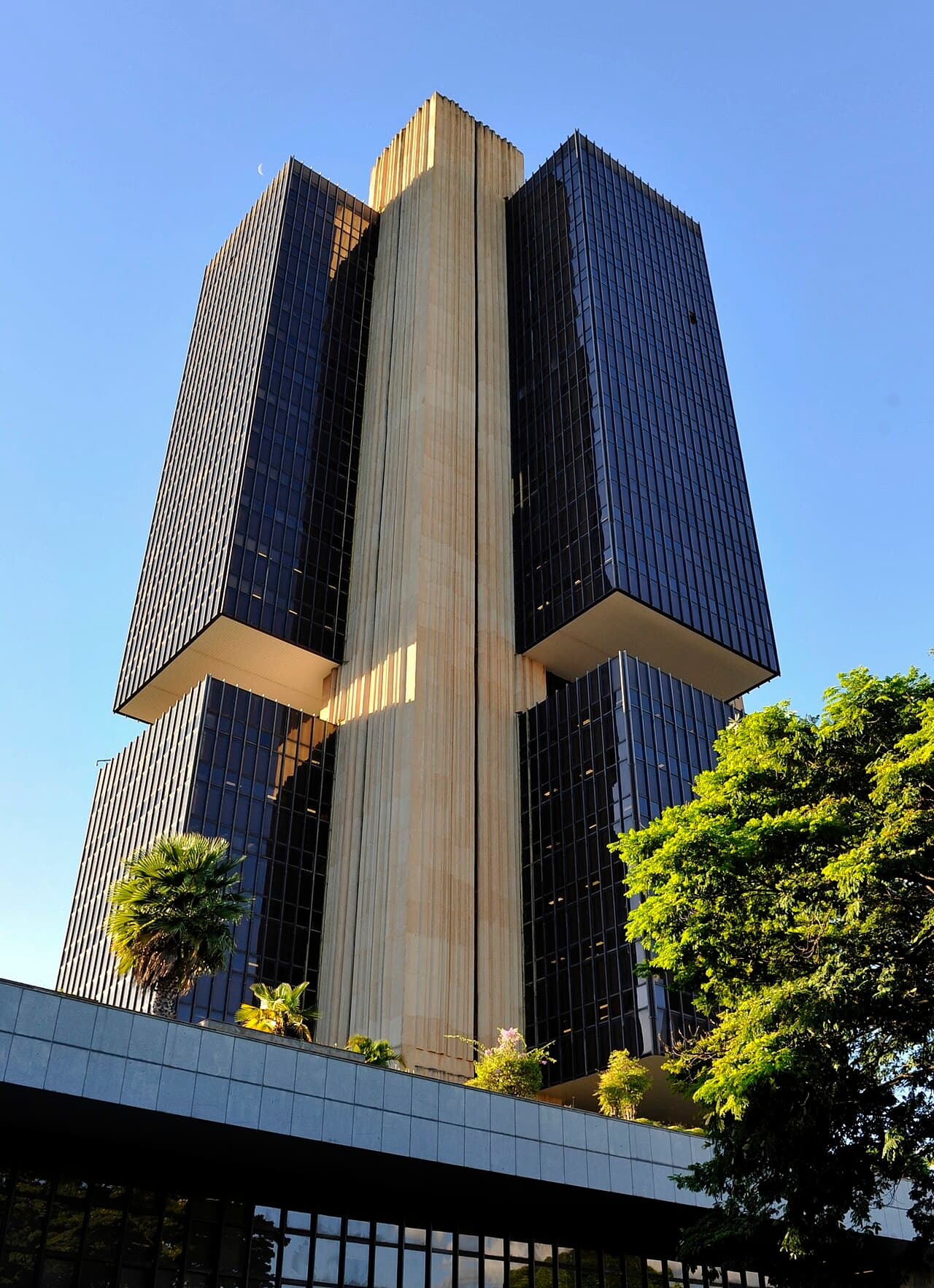
In Brasília, the Banco Central do Brasil—the nation’s independent central bank—currently maintains its benchmark Selic rate at 13.75%. This leaves a staggering 9.75 percentage point yield gap between the two economies, a spread that has remained unchanged over the last 30 days. For international asset managers, this differential is the foundation of the "carry trade," where investors borrow in low-yielding currencies like the U.S. dollar to invest in high-yielding emerging market debt. However, this strategy is not a frictionless profit engine; currency fluctuations and sudden shifts in local market conditions introduce substantial risk of loss, which can easily wipe out the interest rate differential.
The Cost of Political Risk
While a 13.75% yield sounds high, the gap exists because global markets demand a steep premium to offset political and fiscal risk. Following the October 25, 2026 presidential runoff election, which saw Luiz Inácio Lula da Silva secure the presidency, Brazilian assets have experienced significant volatility. Investors are demanding this "risk premium" to hold Brazilian debt because the incoming administration's fiscal plans and spending limits remain unclear.
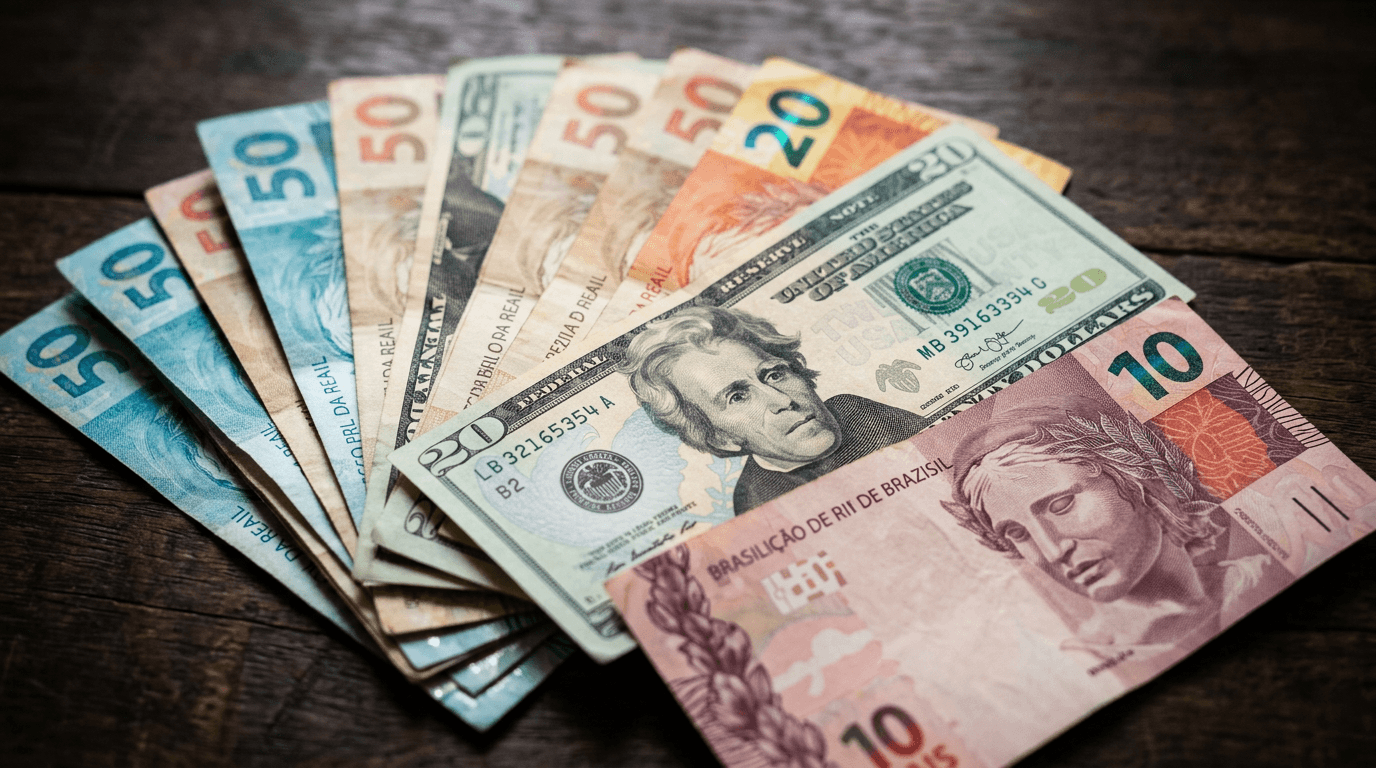
This uncertainty is putting intense pressure on the exchange rate. On October 31, 2026, the currency traded at 5.4206 reais per dollar, according to official Banco Central do Brasil PTAX data. A weakening real can quickly erase any nominal gains an American investor makes from those high double-digit interest rates. When the currency depreciates, the cost of converting those high-yielding reais back into dollars eats away at the return, which is why global macro funds closely watch the daily exchange rates.
Inflation and the Central Bank's Next Move
The high Selic rate is also a response to stubborn domestic inflation. On October 23, 2026, the Brazilian Institute of Geography and Statistics (IBGE) reported that annual inflation had reached 4.62%, breaching the central bank's upper tolerance ceiling of 4.5%. Extreme weather risks, such as a strong El Niño threatening agricultural yields, have kept policymakers on high alert.
Consequently, institutional analysts have adjusted their expectations. While some economists had previously penciled in further rate cuts from the Brazilian central bank's Monetary Policy Committee (Copom), consensus forecasts compiled by Scotiabank Economics on October 9, 2026, show that analysts now expect the bank to hold the Selic rate at 13.75% at its upcoming November 4, 2026 meeting. Keeping rates "higher for longer" is designed to defend the currency and anchor inflation, but it also keeps domestic borrowing costs painfully high for Brazilian businesses.
Emerging market fund exposure
For retail investors who do not trade foreign currency directly, this interest rate gap and the resulting currency volatility show up in broad emerging market funds. Exchange-traded funds listed in New York that track large and mid-sized Brazilian equities are highly sensitive to both the exchange rate and local interest rates. When Brazilian interest rates remain elevated to combat fiscal uncertainty, it raises the discount rate used to value local corporate earnings, which can weigh on the net asset value of these funds.