Emerging Market Bond Funds Hit as Brazil Currency Plunge Erases Yields
A rapid 9.7% drop in the Brazilian real has wiped out nearly nine months of local high-yield bond coupon gains for dollar-based emerging market fund investors.

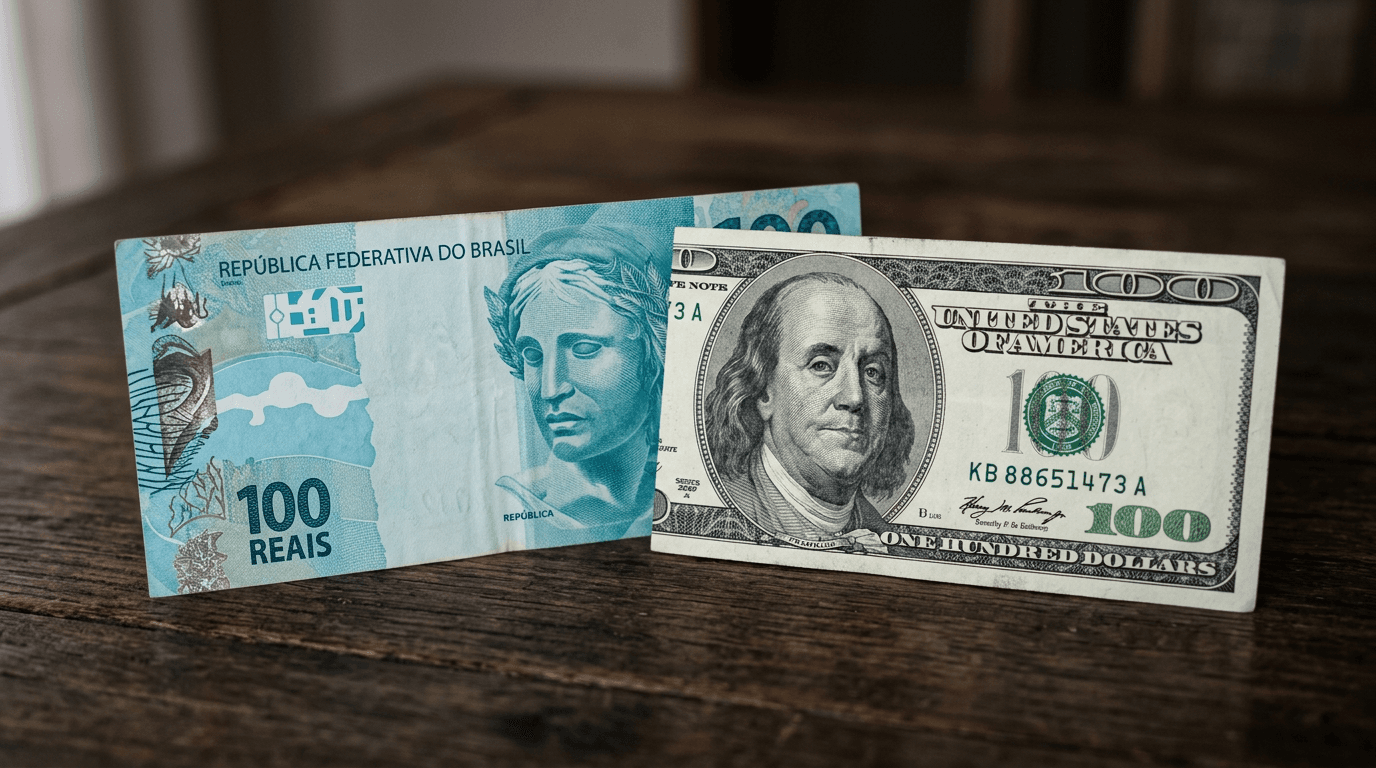
For American retail investors holding diversified emerging market bond funds, a sudden currency shock in Latin America has quietly erased nearly a year of hard-won interest income. A rapid 9.7% drop in the value of the Brazilian real over the past month has completely neutralized the high-interest payouts that drew global capital to South America's largest economy, demonstrating how quickly foreign exchange volatility can upend a fixed-income portfolio.
The Brazilian currency fell to approximately 5.50 BRL per USD in early November 2026, down from stronger levels earlier in the autumn. The swiftness of the decline forced the Banco Central do Brasil (BCB), the country's central bank, to execute a massive $3 billion intervention in a single trading session to inject liquidity and stabilize the spot market.
For global investors, the math of this currency slide is unforgiving. Brazil’s benchmark interest rate, known as the Selic, currently sits at an elevated 13.75% per year. While a 13.75% annual yield is highly attractive compared to U.S. Treasuries, a single month of holding these local bonds yields a compounded return of just 1.08%. Consequently, the 9.7% currency depreciation against the dollar effectively consumed roughly nine months of interest earnings in a matter of weeks.
Fiscal Anxiety After the Runoff
The currency pressure intensified following the October 25, 2026, presidential runoff election, in which the left-leaning Luiz Inácio Lula da Silva secured a fourth term. The result triggered immediate anxiety among global asset managers regarding the country's fiscal discipline. Brazil's gross public debt is currently hovering near 83% of gross domestic product, and annual interest payments consume roughly 9% of GDP, representing one of the heaviest debt burdens in the developing world.
To combat rising inflation expectations and anchor the volatile currency, the central bank's monetary policy committee (Copom) unanimously voted on November 4, 2026, to halt its rate-cutting cycle, keeping the Selic rate steady at 13.75%. While the high rate is designed to attract foreign carry-trade capital, the pause reflects deep institutional concerns over the government's upcoming budget plans and the appointment of a new finance minister.
For retail investors, the episode serves as a stark reminder of "currency risk"—the hazard that a foreign country's weakening money will dilute the value of its high-yielding assets when converted back into U.S. dollars.
In your brokerage app
If you hold broad-based emerging market exchange-traded funds, such as the iShares MSCI Brazil ETF (listed in New York), your portfolio is directly exposed to these currency fluctuations. Because the fund holds equities and assets denominated in the local Brazilian currency, a falling real automatically lowers the net asset value of the fund in U.S. dollar terms, regardless of how individual Brazilian corporate operations are performing.