What the Fed holding at 4.0% means for your global bond funds
With the Federal Reserve holding its benchmark rate at 4.0% and Brazil keeping its Selic rate at 13.75%, a massive 9.75-percentage-point yield gap shapes global bond fund dynamics.
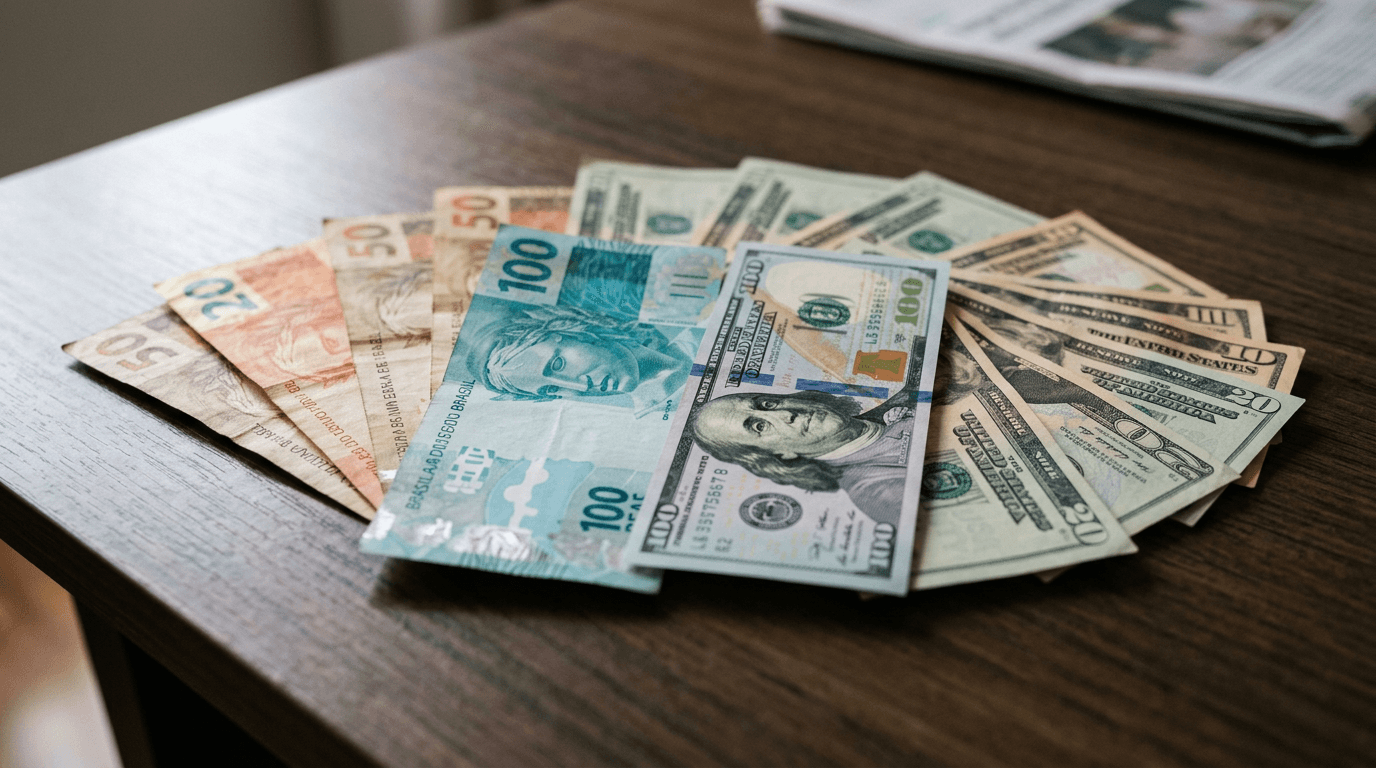
If you hold a diversified global bond fund or an emerging-market ETF in your brokerage account, the income you receive is deeply tied to a number of central bank decisions. When the Federal Reserve holds its benchmark interest rate steady, it sets a baseline for global capital. On November 2, 2026, the Federal Reserve kept its federal funds target range upper limit at 4.0%, according to the central bank's FRED database.
Just across the hemisphere, Brazil's central bank is operating in a different stratosphere. On November 4, 2026, the Monetary Policy Committee (Copom) of the Banco Central do Brasil unanimously decided to keep its benchmark Selic rate unchanged at 13.75% per year. This rate is tracked officially under the central bank's SGS database. The result is a massive 9.75-percentage-point yield gap between the two nations, which has remained exactly unchanged from its level 30 days ago.
For an American retail investor, this 9.75-point spread is the engine behind the "carry trade"—where institutional investors borrow dollars at low U.S. rates to buy high-yielding Brazilian government bonds. This flow of capital directly influences the Brazil real to USD exchange rate. When the yield gap is wide, it supports the Brazilian currency against the dollar by attracting foreign capital; however, it also signals that Brazil's policymakers are fighting persistent domestic inflation.
Balancing Inflation and Fiscal Risk
Brazil's central bank, led by its monetary policy committee, has kept rates highly restrictive because consumer price inflation remains stubborn. The country's official inflation preview (IPCA-15) rose to 4.62% for the 12 months through October 2026, landing above the government's official target ceiling of 4.5%. Copom noted in its November 4 statement that increased global uncertainties, volatile commodity markets, and unanchored domestic inflation expectations required a "measured and cautious approach," ruling out immediate rate cuts.
For global investors, this high interest rate acts as a double-edged sword. While a 13.75% yield is incredibly attractive compared to the Fed's 4.0%, the high cost of capital slows down local corporate growth and increases the government's debt-servicing costs. Investors monitoring the Brazilian real versus the U.S. dollar dynamics must weigh these high yields against the political and fiscal risks of a government managing a heavily burdened national budget.
In your brokerage app
Investors seeking direct exposure to Brazil's high-yield environment without buying local bonds often utilize the iShares MSCI Brazil ETF, a fund listed in New York that tracks the largest publicly traded companies in Brazil. Because these companies operate in an economy dominated by a 13.75% benchmark rate, their valuations and dividend yields are highly sensitive to any changes in this 9.75-point interest rate gap.