Lula Signs $9.5 Billion Fiscal Law to Ease Pressure on Brazil Real
President Lula has signed a major fiscal adjustment package, capping spending growth at 2% and cutting tax breaks to stabilize the weakening Brazil real.


President Lula has signed a major fiscal adjustment package, capping spending growth at 2% and cutting tax breaks to stabilize the weakening Brazil real.
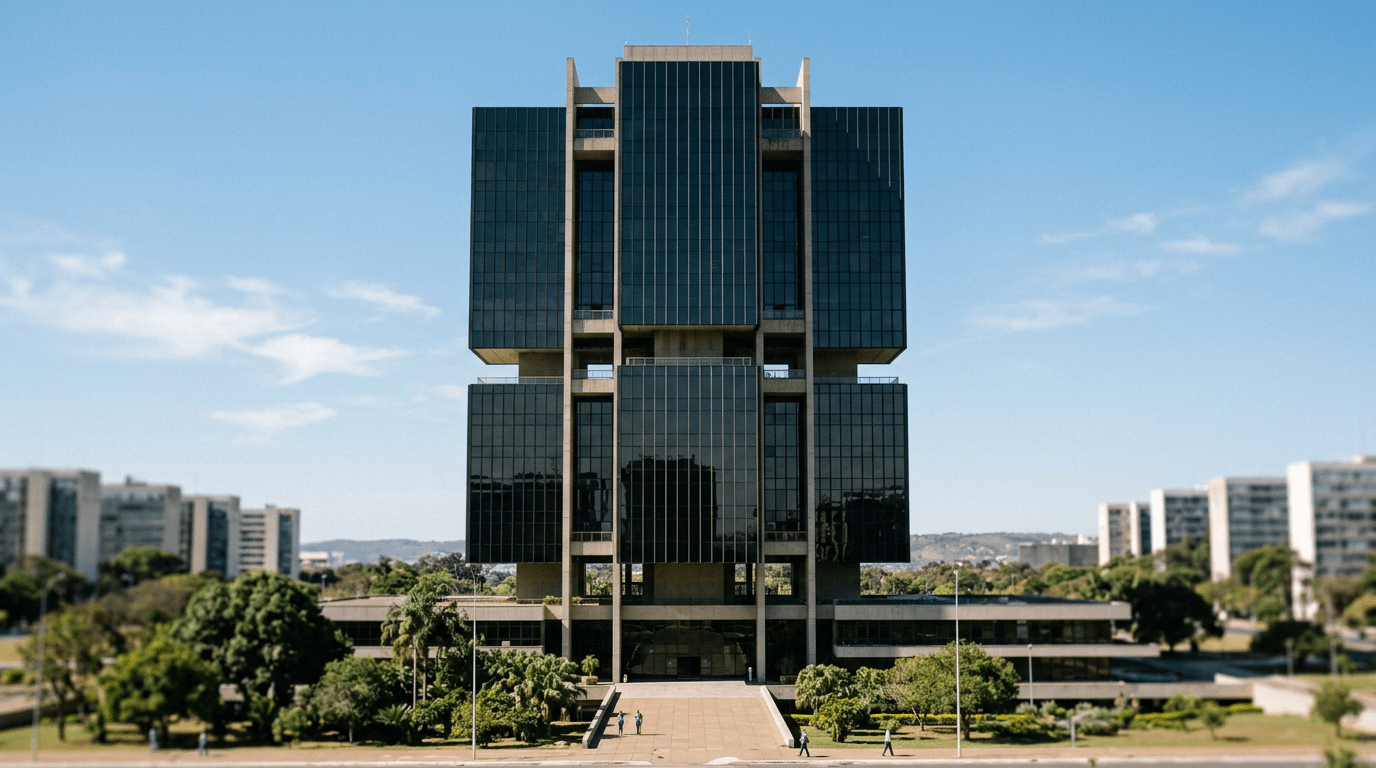
The Central Bank of Brazil announced a US$ 2 billion dollar line auction for November 25, 2026, to defend the real as USDBRL hovers near R$ 5.91.
Brazil's Chamber of Deputies approved a R$56 billion ($9.6 billion) fiscal package, boosting the real as it corrected from a brief spike above R$6.00.
The Brazilian real rose over 2% to R$ 5.80 on Nov 24, 2026, after President Lula authorized a draft constitutional amendment to cap mandatory expenditures.
The USDBRL exchange rate briefly touched the six-real threshold on Monday as domestic fiscal anxieties and global rate pressures intensified investor concerns.
A yield gap of 9.75 percentage points remains unchanged between US and Brazilian interest rates, anchoring the carry trade for foreign investors.
The yield spread between the US Federal Reserve's rate and Brazil's Selic remains unchanged at 9.75 percentage points as of November 23, 2026.
The U.S. dollar approached 6.00 reais on Nov. 23, 2026, eroding unhedged EWZ ETF returns despite a $2 billion central bank market defense.
The interest rate spread between the U.S. and Brazil holds at 9.75 percentage points, offering a stable yield premium for foreign dollar investors.
Brazil’s 10% rate premium over the US Fed fails to boost the real as fiscal worries drive the iShares MSCI Brazil ETF toward its 52-week low.
The interest rate gap between the Fed's 4.0% upper bound and Brazil's 13.75% Selic rate remains at 9.75%, anchoring carry trade returns for global investors.
The interest rate gap between the US Fed funds upper target of 4.0% and Brazil’s Selic of 13.75% remains at 9.75 percentage points as of November 20, 2026.
The 9.75-percentage-point interest rate gap between the U.S. and Brazil remains unchanged as the Fed target holds at 4.0% and the Selic stays at 13.75%.
The interest rate gap between the Federal Reserve and Brazil's central bank remains at 9.75 points, shaping the Brazil real to US dollar exchange rate.
The massive interest rate gap between the Federal Reserve and Brazil's central bank remains at 9.75 points, serving as a critical buffer for the real.
The Central Bank of Brazil sold $1 billion in direct line auctions to support the sliding real as legislative delays over a fiscal package sparked currency stress.
A 9.75 percentage point rate spread remains between the Fed's 4.0% upper target and Brazil's 13.75% Selic rate, shaping options for currency investors.
The US dollar hit R$ 5.778 on November 16, 2026, as Brazil's central bank warned of labor and fiscal risks, driving a massive R$ 13.5 billion foreign outflow.
The 9.75-percentage-point difference between the US Fed funds upper target and Brazil's Selic rate remains unchanged, offering a wide margin for yield seekers.
U.S. and Brazilian central bank rates leave a massive 9.75% gap, shaping the exchange rate of the brazil real to us dollar for retail investors.
The Central Bank of Brazil announced a $3.75 billion currency swap program on November 12, 2026, to stabilize the real and defend foreign investor returns.
Brazil's central bank held rates at 13.75% as fiscal fears hit the Real, dragging down the MSCI Brazil ETF (EWZ) despite the world's highest real yields.
A 9.75% interest rate differential between Brazil's 13.75% Selic rate and the U.S. Fed funds target of 4.00% supports the Brazilian currency.
The US dollar surged to R$ 5.65 on November 12, 2026, as international markets deemed Brazil's new R$ 60 billion fiscal package too timid to curb debt.
The 9.75% yield gap between U.S. and Brazilian interest rates remains a key driver for the real and U.S.-listed Brazil funds like EWZ.
The Brazil real fell to a 15-month low of 5.6507 per dollar as a newly unveiled $10.8 billion fiscal spending cut package failed to reassure Wall Street.
The yield spread between the Federal Reserve and Brazil's central bank remains stuck at 9.75 percentage points, moving the real and global bond funds.
Brazil's central bank held its benchmark rate at 13.75% on November 4, 2026, maintaining a massive yield gap with the Fed that shapes emerging market assets.
Brazil's central bank held its benchmark rate at 13.75% as the government proposes a multi-billion dollar fiscal package to stabilize the real.
Brazil's gross public debt climbed to 82.9% of GDP in September 2026, forcing the central bank to pause its rate cuts and pressuring the real.