Fed Policy and Brazil's 9.75-Point Yield Gap Explained
The wide interest rate spread between the U.S. and Brazil shapes foreign exchange dynamics as markets digest recent political developments.


The wide interest rate spread between the U.S. and Brazil shapes foreign exchange dynamics as markets digest recent political developments.
Following the October 2026 presidential runoff, a volatile Brazilian real shows how foreign exchange translation impacts US dollar-denominated assets.
The Brazilian real rallied on October 27, 2026, recovering from a sharp post-election drop as political coalitions acknowledged the presidential runoff results.
High local interest rates and currency volatility in Brazil are set to keep borrowing costs elevated for US multinationals operating in the region.
Private-sector economists have lowered their year-end forecast for Brazil's benchmark Selic rate to 13.25%, narrowing the yield gap with the U.S.
November Brazilian real futures fell on the Chicago Mercantile Exchange after President Luiz Inácio Lula da Silva secured a runoff victory.
The 9.75 percentage point yield gap between the Federal Reserve and Brazil's central bank keeps the carry trade alive, moving the real and US-listed funds.
The yield premium between Brazil's Selic rate and the U.S. federal funds rate sits at 9.75 percentage points, driving the carry trade and foreign exchange risk.
A widening interest rate gap has fueled a rally in the Brazilian real, demonstrating how currency swings quietly reshape foreign returns for retail investors.
The massive interest rate gap between the Federal Reserve and Brazil's central bank keeps the carry trade alive, anchoring the Brazil real vs dollar.
The massive interest rate gap between Brazil's 13.75% Selic target and the Fed's 4.0% upper limit continues to fuel a lucrative currency carry trade.
The yield spread between US Treasuries and Brazilian bonds remains at a wide 9.75 percentage points, driving capital flows and currency volatility.
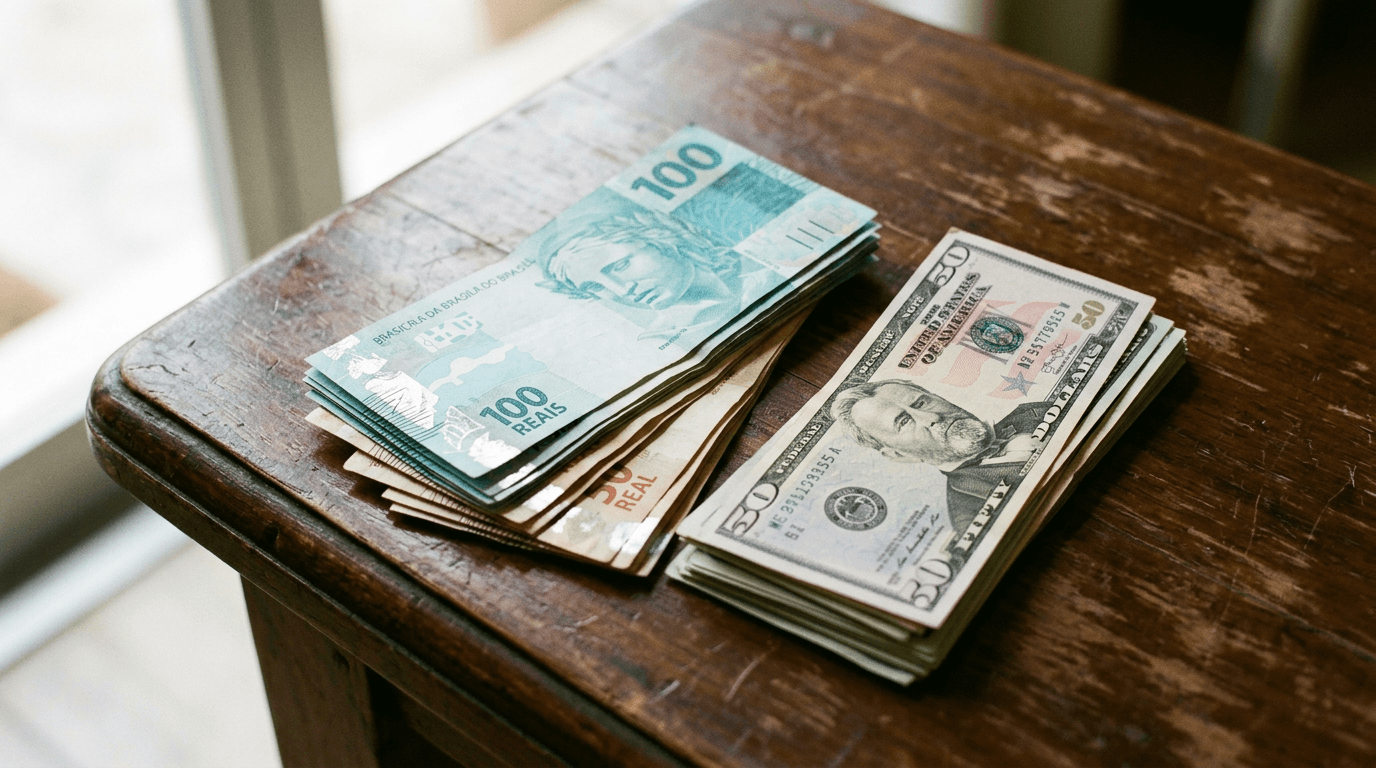
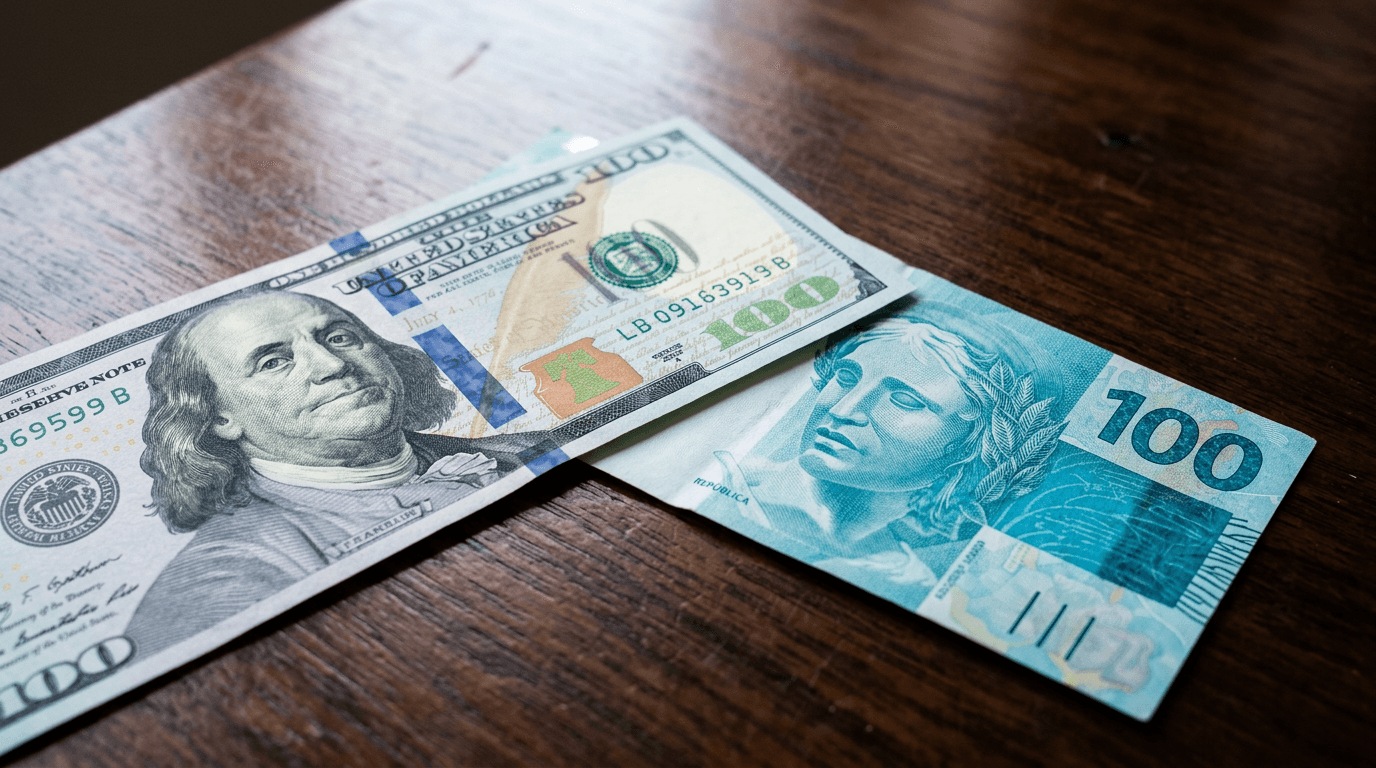
The Brazilian real strengthened past 5.00 per dollar on October 23, 2026, boosting dollar-denominated returns for US investors as high local interest rates persist.
Brazil's Central Bank Resolution 575 allows eligible US exporters and multinational subsidiaries to hold direct US dollar accounts, bypassing costly conversions.
The massive interest rate gap between the US and Brazil is holding steady at 9.75 percentage points, shaping the performance of the Brazil real and US-listed funds.
The 9.75-percentage-point interest rate gap between Brazil and the Federal Reserve is keeping foreign capital anchored in the Brazilian real.
The yield gap between the Fed's 4.0% rate and Brazil's 13.75% Selic rate remains at 9.75 percentage points, driving carry trade dynamics for global investors.
The interest rate gap between the Federal Reserve and Brazil's central bank remains at 9.75 percentage points, shaping the value of the Brazil real.
Brazil's central bank cut its Selic rate to 13.75% in September 2026, leaving high real yields that squeeze local corporate balance sheets.
The massive 9.75-point interest rate gap between the US Federal Reserve and Brazil’s central bank is keeping the real steady and shaping foreign fund returns.
The Central Bank of Brazil maintained its benchmark Selic rate at 13.75%, preserving one of the world's highest real yields and drawing capital away from US assets.
A sudden rally in the Brazilian real following a surprise election result is shaking up returns for US retail investors holding emerging market funds.
The wide yield gap between the US and Brazil is driving capital flows and currency dynamics, directly impacting US-listed emerging market funds.
The massive yield difference between US Treasuries and Brazil's Selic rate shapes the value of the real and major US-listed emerging market funds.
The yield gap between the Federal Reserve and Brazil's central bank remains at a wide 9.75 percentage points, driving currency flows and affecting US-listed funds.
Brazil's central bank cut its Selic rate to 13.75%, but massive double-digit yields keep the real resilient against the U.S. dollar.
The Brazilian real fell to 5.05 per dollar on October 20, 2026, as a tight presidential runoff and new fiscal spending plans fueled market anxiety.
The yield spread between the Federal Reserve and Brazil's central bank remains at 9.75 percentage points, driving carry trade potential and currency swings.
The yield spread between Brazil's Selic rate and the Federal Reserve's benchmark remains steady, impacting retail portfolios and currency risk.
Brazil's central bank has launched Resolution No. 575, allowing US exporters and multinational investors to hold direct foreign currency accounts.