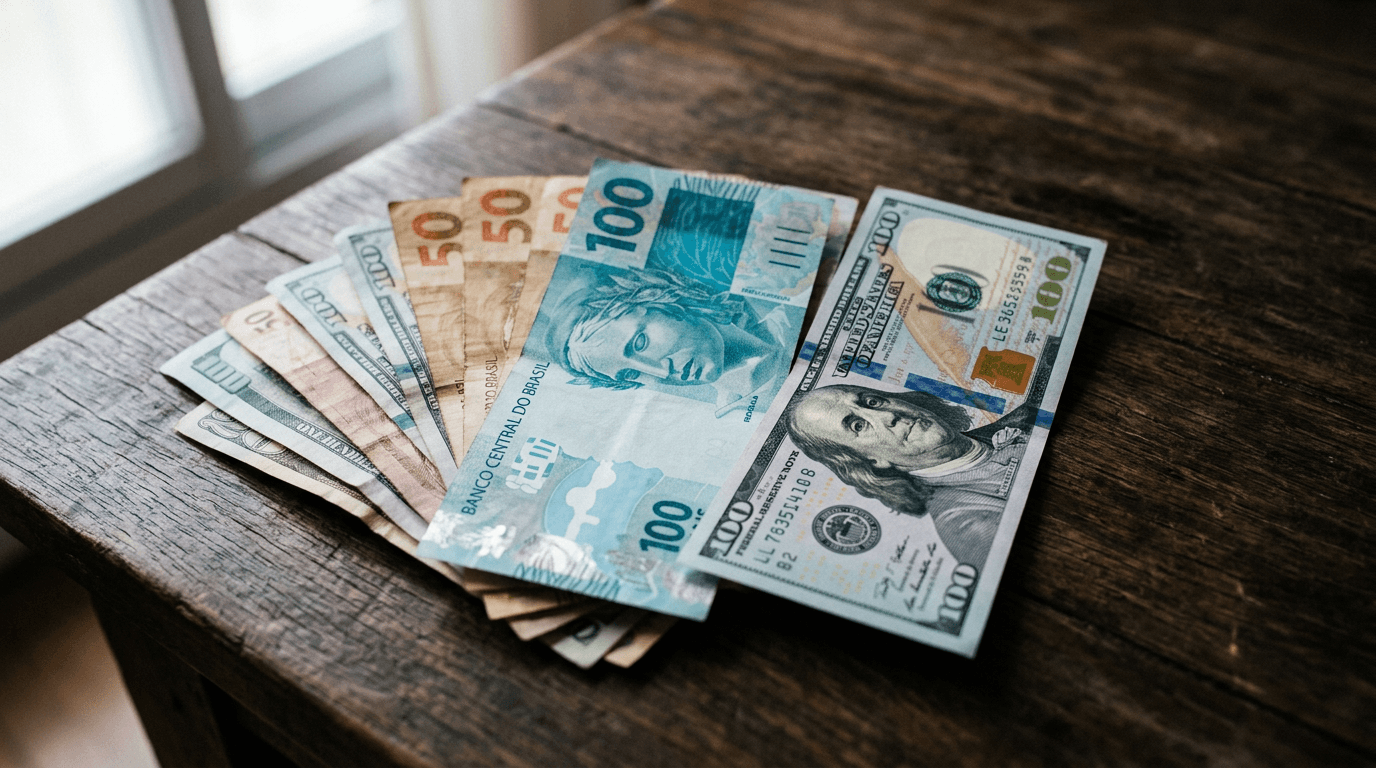
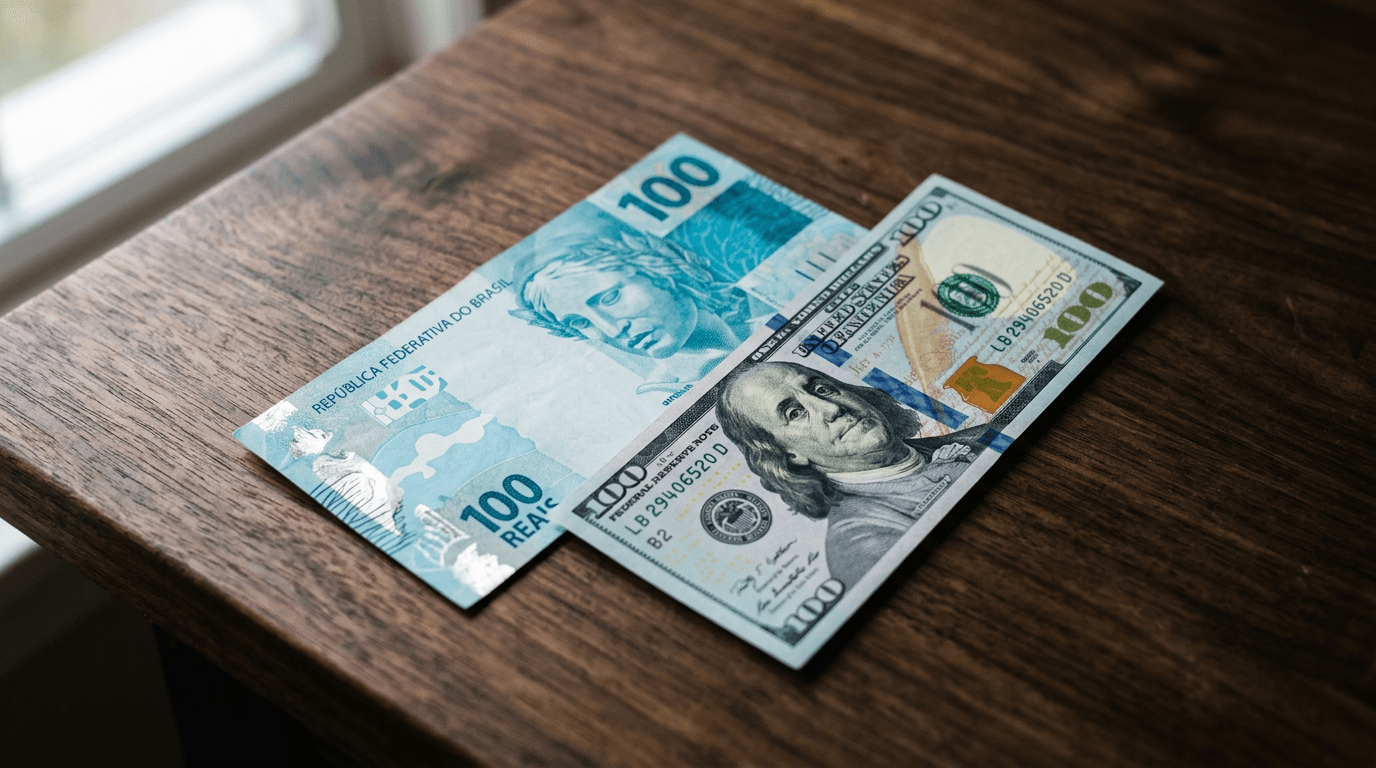
Why a 9.75% interest rate gap is freezing the Brazil real
Brazil's central bank halted its rate-cutting cycle at 13.75%, preserving a massive yield gap against the Fed that impacts US emerging market funds.
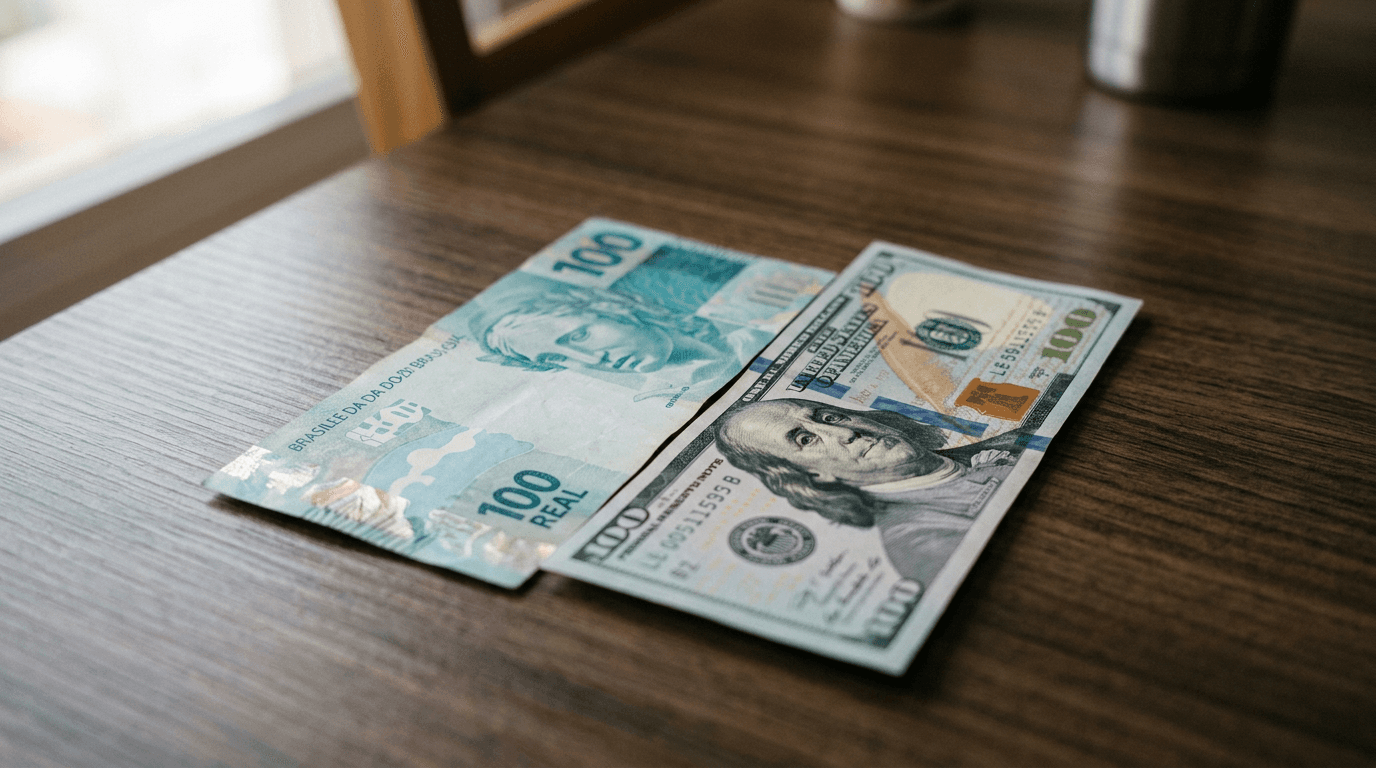
The Federal Reserve has held its upper target for the federal funds rate at 4.0%, according to Federal Reserve data retrieved from FRED on November 5, 2026. For an American retail investor holding cash in a high-yield brokerage account or Treasury bills, this 4.0% represents a stable, risk-free baseline. However, across the equator, a massive yield differential is quietly shifting the math for global currency traders and emerging market exchange-traded funds (ETFs).
On November 4, 2026, the Monetary Policy Committee (Copom) of the Banco Central do Brasil—the country's central bank—voted unanimously to keep its benchmark Selic rate at 13.75%, according to official central bank records. This decision halted a sequence of five consecutive 0.25-percentage-point cuts that began in March 2026. By keeping the Selic target at 13.75%, Brazil's central bank has locked in a massive 9.75-percentage-point gap above the Fed's 4.0% rate. This spread is identical to the 9.75-percentage-point gap recorded 30 days ago.
The mechanics of the carry trade
For global investors, this spread is the engine of the "carry trade"—a strategy where traders borrow in low-yielding currencies like the U.S. dollar to invest in high-yielding assets like Brazilian government bonds. The wider the gap, the more investors are compensated for holding the brazil real, but this yield does not come without risk.
The central bank's decision to pause its rate-cutting cycle was heavily influenced by domestic political shifts and fiscal concerns. The pause followed the October 25, 2026, re-election of leftist President Luiz Inácio Lula da Silva, an event that triggered market volatility and heightened concerns over future public spending. With market expectations for annual inflation rising to 5.22%—well above the central bank’s 4.5% target ceiling—policymakers, led by central bank governor Gabriel Galípolo, opted for "serenity and caution" to keep the local currency from depreciating further.
When political risk rises, a high interest rate acts as a shield. If Brazil's central bank had continued cutting rates, the narrowing yield gap would have reduced the incentive for foreign investors to hold the currency, potentially accelerating a slide in the brazil real vs usd exchange rate. By keeping the Selic at 13.75%, the central bank is attempting to anchor the currency and curb imported inflation.
In your brokerage app
For retail investors who do not trade foreign exchange directly, this rate gap primarily impacts broad emerging market funds and country-specific ETFs. The iShares MSCI Brazil ETF (EWZ), which is listed in New York and tracks the investment results of an index composed of Brazilian equities, is highly sensitive to both the brazil real to dollar exchange rate and domestic interest rates. High interest rates increase borrowing costs for large Brazilian corporates held within the fund, but a stabilized exchange rate protects the dollar-denominated value of those underlying assets.