How a Surging Dollar in Brazil Is Squeezing US Emerging Market Funds
A sharp drop in the Brazilian real to over 5.50 per dollar, driven by fiscal worries and high interest rates, is eroding returns for US retail investors.
If you hold a diversified emerging markets fund or global stock index in your brokerage account, your portfolio is quietly taking a hit from a currency storm in South America. A sharp depreciation in the exchange rate of major foreign currencies can quickly erode the value of international stocks when they are translated back into U.S. dollars. That is exactly what is playing out right now as a sudden drop in the Brazilian currency drags down the performance of some of the most popular international funds held by American retail investors.
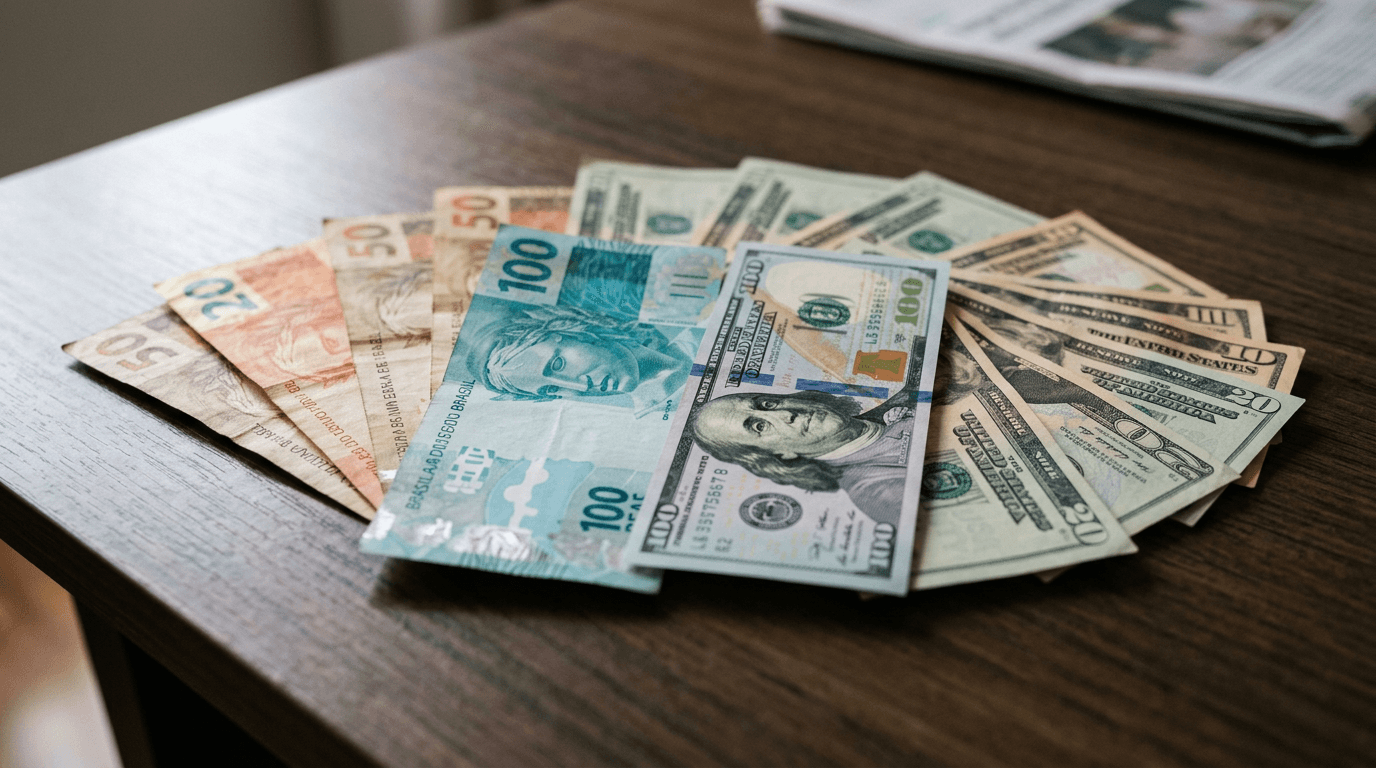
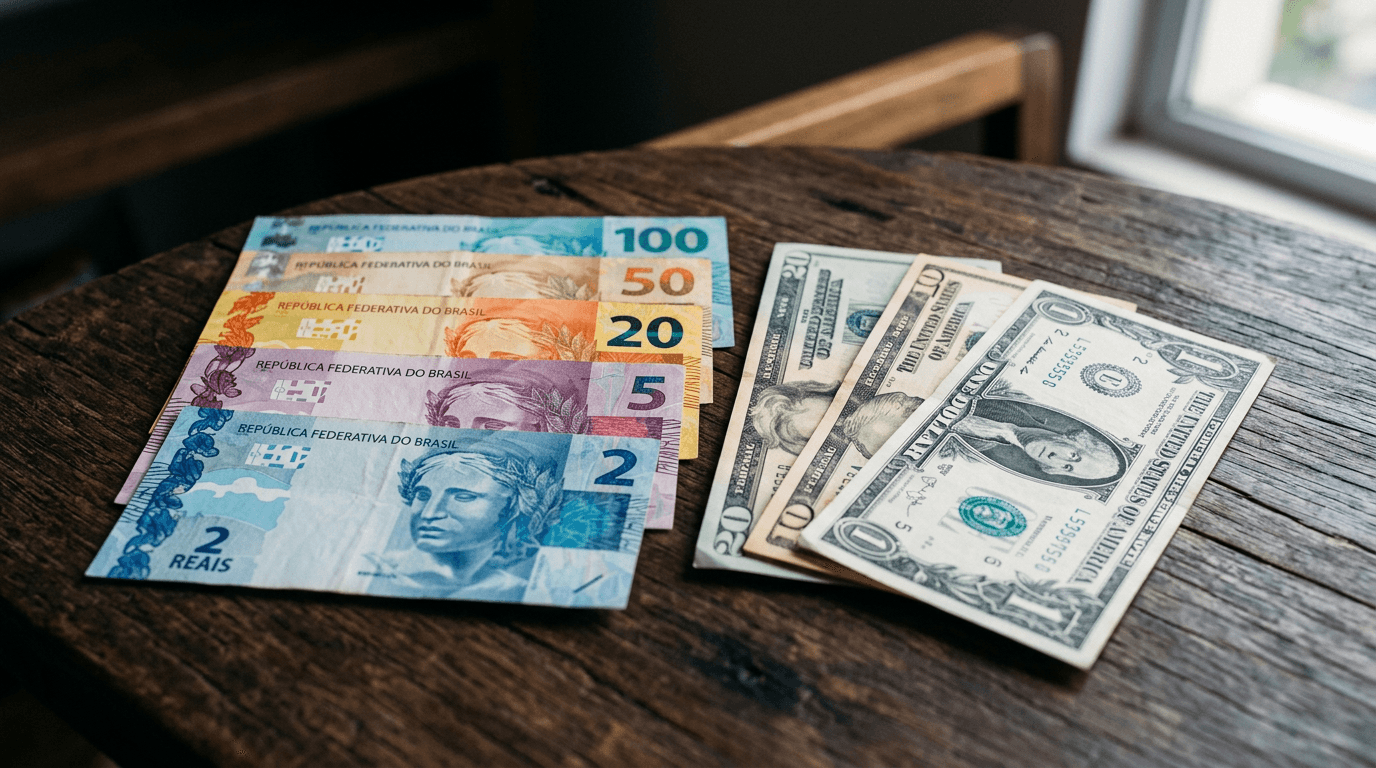
The U.S. dollar rose to 5.5119 Brazilian reais on November 7, 2026, marking its highest level in six months compared to a six-month average of 5.1232 reais per dollar. This rapid rise in the brazil real to usd exchange rate reflects growing anxiety among global money managers over the fiscal policies of Brazilian President Luiz Inácio Lula da Silva. Following his narrow runoff election victory on October 25, 2026, Lula’s plans to expand social programs and boost public spending have spooked local and international markets, raising fears that the country will struggle to stabilize its mounting public debt.
The fiscal tension has forced Brazil's central bank, the Banco Central do Brasil, to take a highly defensive stance. On November 4, 2026, the bank's monetary policy committee unanimously voted to keep its benchmark Selic interest rate unchanged at 13.75%. This decision abruptly halted a cycle of five consecutive rate cuts that began earlier in the year. In its official statement, the central bank cited "heightened uncertainty" and rising inflation expectations, which have pushed the country's annual inflation to 4.62%—above the government's official target ceiling of 4.5%.
Growth Forecasts Slashed as Rates Stay High
With interest rates stuck at double-digit levels, the outlook for the brazil economy has deteriorated rapidly. Major financial institutions have aggressively cut their economic growth projections for next year, warning that tight credit conditions will choke off consumer demand.
According to a November 6, 2026, report by Reuters, several of Brazil's largest lenders slashed their gross domestic product (GDP) growth forecasts for 2027. Brokerage and investment platform XP lowered its 2027 GDP forecast to just 0.3%, while Bradesco cut its projection to 0.4%. Itaú, the country’s largest private bank, also reduced its growth estimate to 0.5%. These figures represent a massive downgrade from the 2.46% growth rate that the federal government originally projected in its August budget proposal.
For global investors, a weakening brazil real vs dollar rate means that even if Brazilian companies perform well in local currency terms, their earnings and share prices shrink when converted to U.S. dollars. The combination of high borrowing costs, sluggish domestic growth, and a depreciating currency creates a challenging environment for foreign capital. Investors are now waiting to see if President Lula's economic team will introduce concrete spending cuts to restore market confidence and stabilize the currency.
In your brokerage app
If you own the iShares MSCI Brazil ETF, a fund listed in New York that tracks the largest companies in Brazil, the weakening of the brazil real directly reduces the net asset value of the fund. Similarly, major Brazilian corporations listed on the New York Stock Exchange, such as financial giant Itaú Unibanco or state-backed oil producer Petrobras, face currency headwinds that can depress the value of their U.S.-traded shares.