What the Fed's 4.0% rate and Brazil's 13.75% yield mean for your portfolio
The massive 9.75-point interest rate gap between the Federal Reserve and Brazil's central bank is moving the currency market and foreign funds.
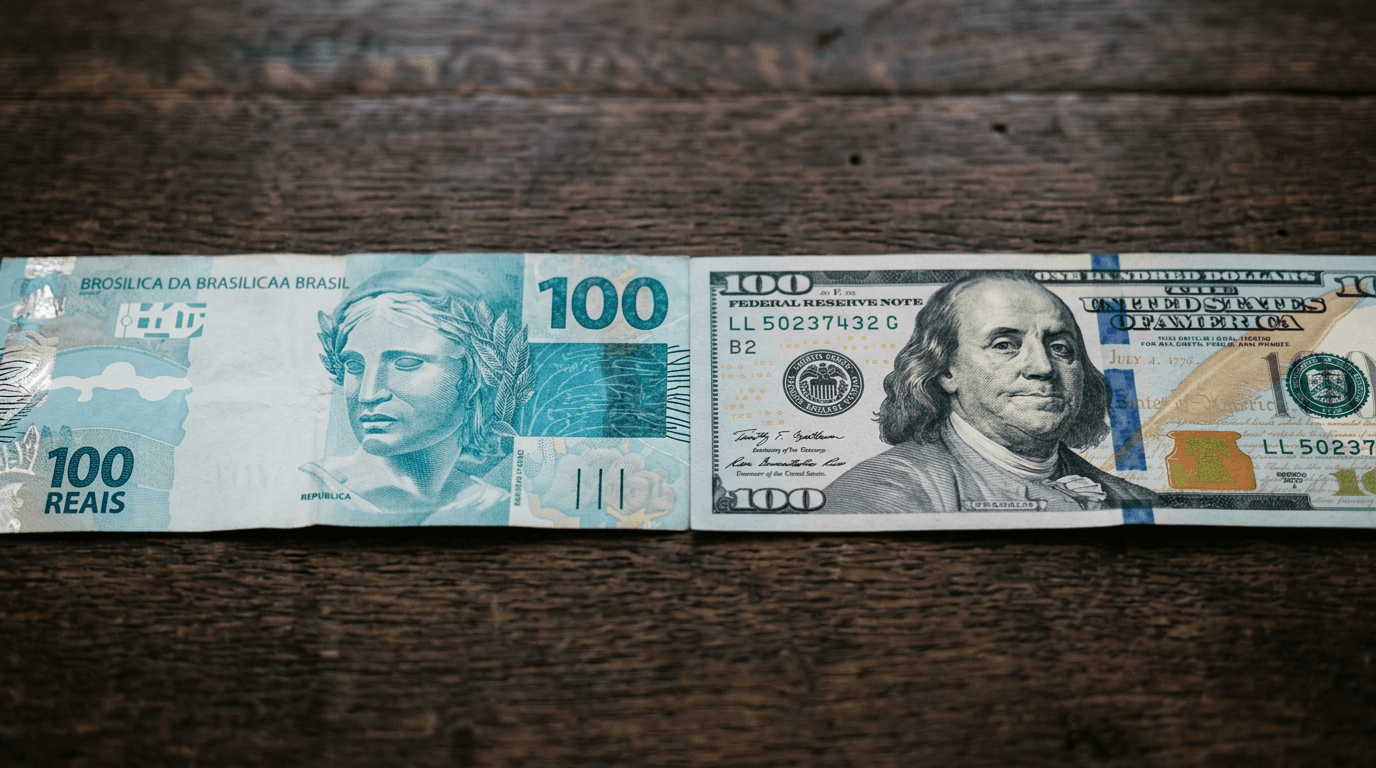
For American retail investors holding cash in high-yield savings accounts or short-term Treasuries, the Federal Reserve's current interest rate environment is a familiar anchor. The Fed's benchmark funds target upper limit stands at 4.0%, a level confirmed by the Federal Reserve Bank of St. Louis (FRED series DFEDTARU) on November 9, 2026. While a 4% yield offers a reliable return at home, a massive yield differential is quietly shifting global capital flows and impacting international assets that many US investors already hold in their portfolios.
Just across the hemisphere, Brazil's central bank, the Banco Central do Brasil, is maintaining its benchmark Selic rate at a staggering 13.75% per year, according to official data from the bank's SGS series 432 on November 10, 2026. This leaves a massive 9.75-percentage-point interest rate gap between the two nations, a margin that has remained completely unchanged from 30 days ago.
For a global investor, this rate gap is the fundamental mechanism behind the "carry trade"—where institutional players borrow dollars at low US rates to buy high-yielding Brazilian government bonds. This flow of capital directly influences the brazil real to usd exchange rate. When the gap is wide, it theoretically supports the Brazilian currency; however, it also signals that Brazil's policymakers are battling persistent domestic inflation, which local financial institutions in the weekly Focus survey on November 9, 2026, projected will end the year at 5.22%.
The high interest rate environment in Brazil acts as a double-edged sword for international equity investors. While the 13.75% Selic rate makes Brazilian fixed-income assets incredibly attractive, it simultaneously squeezes local corporate earnings by raising the cost of debt. This explains why major Brazilian companies and broad-market equity funds have faced persistent headwinds, even as the currency, the brazil real, experiences volatile swings against the US dollar.
In your brokerage app
If you hold the iShares MSCI Brazil ETF, a prominent exchange-traded fund listed in New York that tracks large and mid-sized Brazilian equities, this interest rate gap is a primary driver of your fund's performance. Because the fund is denominated in US dollars but holds assets priced in Brazilian reals, any narrowing or widening of this 9.75-point yield gap directly alters the underlying currency conversion rate and the corporate valuations of the Brazilian holdings inside the fund.