
How a Weaker Brazilian Real Is Dragging Down Global Sugar Prices
A sliding Brazilian real is offsetting severe local harvest delays, driving ICE raw sugar futures down to multi-month lows as export incentives shift.
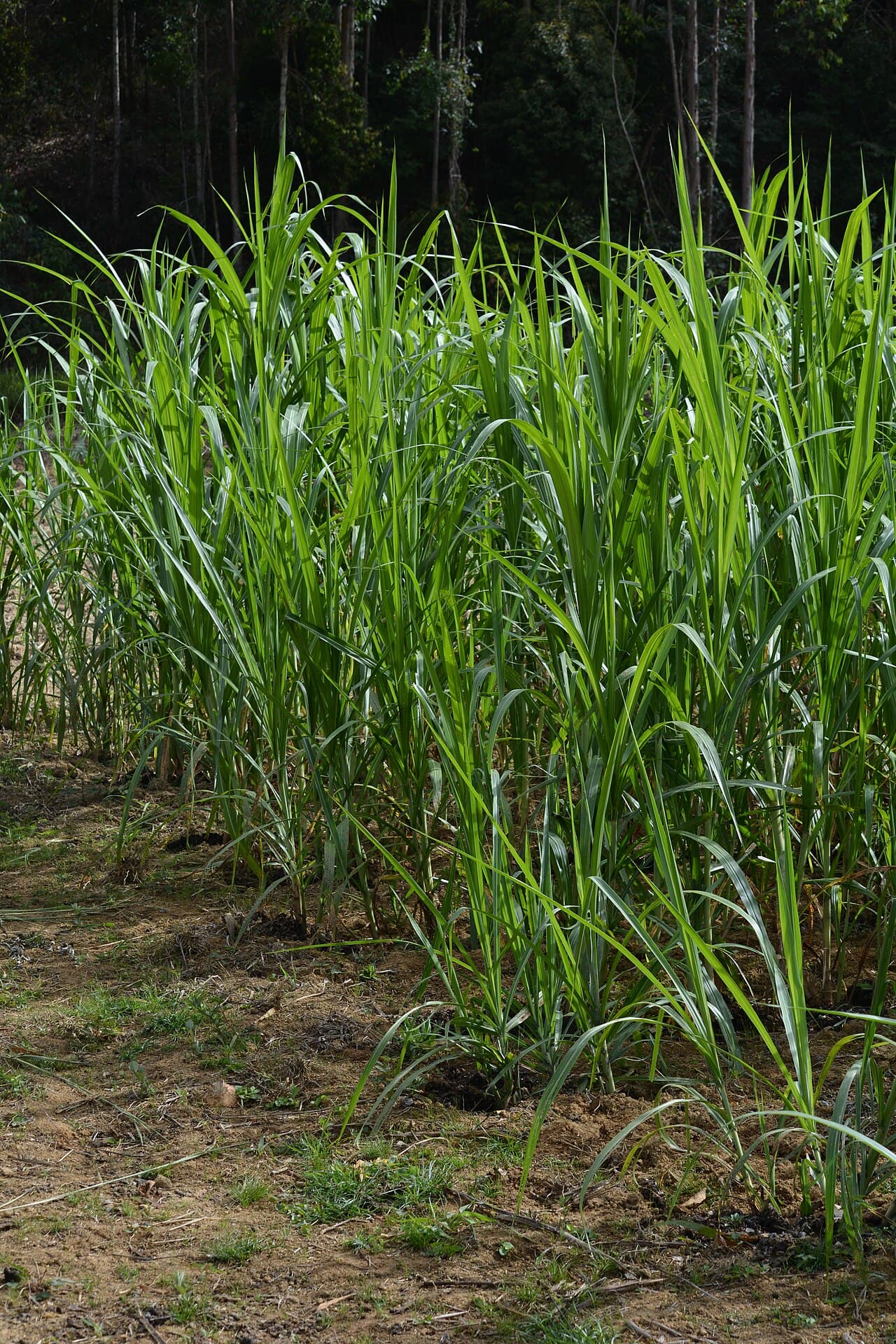
Global commodity markets are feeling the direct ripple effects of currency fluctuations in South America, directly impacting the prices of everyday agricultural goods traded on U.S. exchanges. In early November 2026, a steady depreciation of the Brazilian currency has triggered a sharp correction in international raw sugar futures, catching retail commodity investors off guard even as physical sugarcane supplies remain historically tight.
The Brazilian real has weakened to trade near 5.52 reais per U.S. dollar as of November 6, 2026, according to historical exchange data. This represents a steady retreat from stronger levels seen earlier in the year, when the real traded closer to 4.90 per dollar in May. The currency's slide is reshaping the export economics for Brazil's massive agricultural sector, which dominates the global trade of sweet commodities.
This currency swing has translated directly into a steep drop for global food commodities. On the Intercontinental Exchange (ICE), Sugar No. 11 raw futures—the global benchmark for raw sugar trading—fell by over 5% in a single week to settle at 18.24 cents per pound on November 6, 2026, according to ICE market reports. This marks the third consecutive weekly loss for the contract, dragging prices down to their lowest levels since mid-August 2026 and reversing a brief rally that had pushed sugar above 20 cents per pound in October.
The connection between Brazil's currency and the price of sugar on U.S. exchanges is a matter of simple agricultural economics. Brazil is the undisputed powerhouse of the global sugar market, with analysts at StoneX projecting the country to account for 73% of all global raw sugar exports for the 2026/27 season, as reported by Dossix International Trade. When the Brazilian real depreciates against the U.S. dollar, it lowers local-currency production costs for Brazilian agricultural giants and mills.
Simultaneously, a weaker real increases the local-currency value of dollar-denominated export earnings. This exchange rate dynamic incentivizes Brazilian mills to aggressively hedge and sell sugar onto the global market, as they can accept a lower U.S. dollar price while still securing a highly profitable return when converted back into reais.
This currency-driven selling has completely overshadowed severe physical supply constraints on the ground. Heavy, unseasonal rainfall in Brazil's Center-South region has severely disrupted crushing operations, forcing the U.S. Department of Agriculture (USDA) to lower its Brazilian sugar production forecast for the 2026/27 marketing year to 40.5 million metric tons, according to a USDA Foreign Agricultural Service report released on November 6, 2026. While physical harvest delays would normally push prices higher, the currency effect has rewritten the short-term market narrative, demonstrating how foreign exchange risk can quickly depress commodity valuations.
In your brokerage app
One way retail investors access the sugar market is through commodity-focused funds, such as the Teucrium Sugar Fund, an exchange-traded fund listed in New York that tracks ICE raw sugar futures. Additionally, those looking to trade the broader currency and equity market reactions to Brazil's macroeconomic landscape often utilize the iShares MSCI Brazil ETF, a prominent U.S.-listed fund that holds large and mid-sized Brazilian corporations.
