

Federal Reserve's 4% Rate Faces a 9.75-Point Yield Gap in Brazil
U.S. and Brazilian central bank rates leave a massive 9.75% gap, shaping the exchange rate of the brazil real to us dollar for retail investors.
Key takeaways
- The interest rate gap between the U.S. and Brazil stands at 9.75 percentage points, per the Federal Reserve and Banco Central do Brasil on November 16, 2026
- Brazil kept its benchmark Selic rate at 13.75% to combat inflation, per Banco Central do Brasil on November 16, 2026
- The U.S. Federal Reserve maintained its federal funds target upper limit at 4.00%, per the Federal Reserve on November 16, 2026
- The brazil real vs dollar rate rose 2.10% to 5.7318 reals per dollar, per market closing data on November 16, 2026
An American investor looking at their brokerage account on November 16, 2026, faces a massive 9.75 percentage point interest rate gap between the U.S. Federal Reserve's 4.00% benchmark and Brazil's 13.75% policy rate, according to official data from the Federal Reserve and the Banco Central do Brasil on November 16, 2026. This yawning yield differential, which has held steady at 9.75 percentage points over the last 30 days, represents the premium global market participants earn—or pay—to park their capital in Brazilian assets rather than ultra-safe U.S. Treasuries.
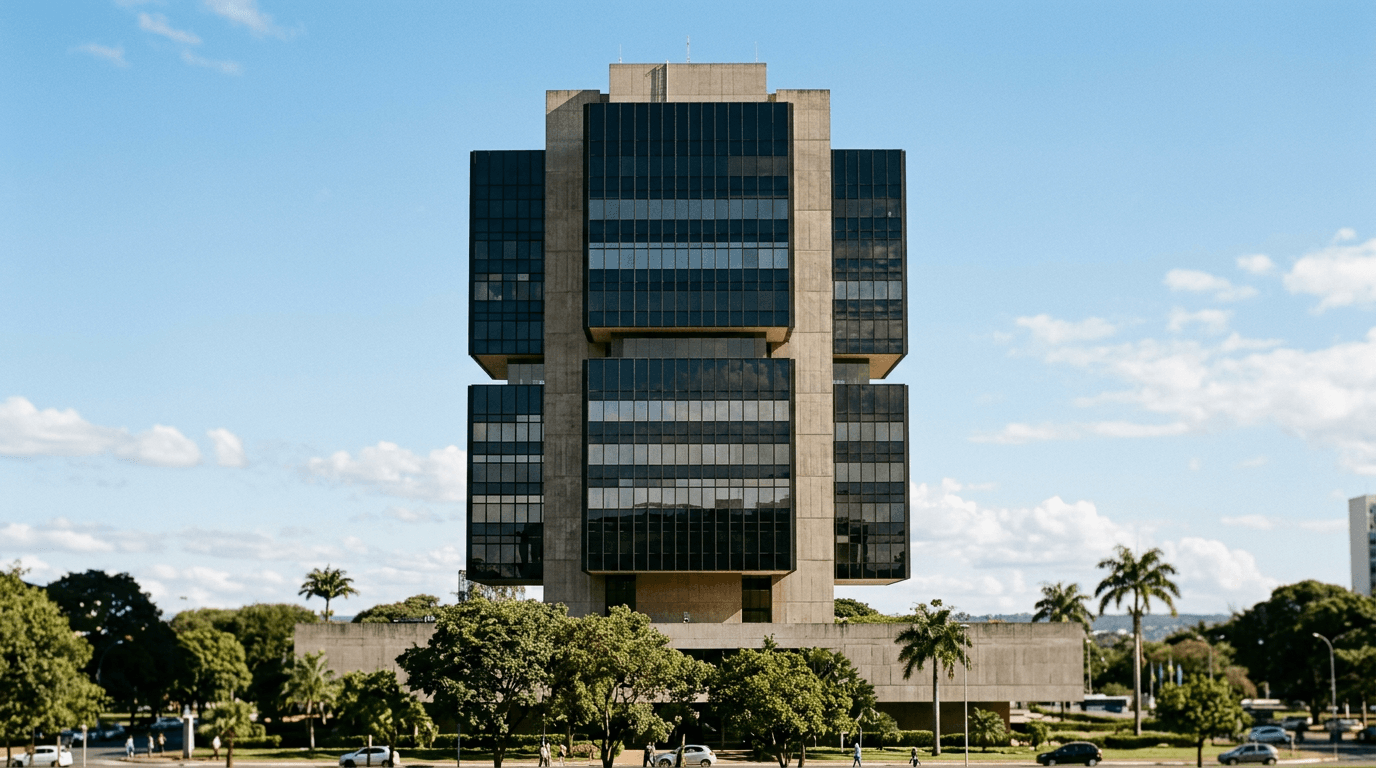
In Brazil, the benchmark interest rate is known as the Selic, which is managed by the Monetary Policy Committee (Copom) of the country’s central bank, the Banco Central do Brasil. At its policy meeting earlier in November 2026, Brazilian central bankers decided to pause their rate-adjustment cycle and keep the Selic steady at 13.75% per year to combat stubborn inflation, which reached 4.62% over the 12 months through October, according to official reports from the Brazilian Institute of Geography and Statistics. This persistent domestic inflation keeps Brazil’s interest rates exceptionally high, even as major economies navigate their own monetary challenges.
This extreme yield spread is the main fundamental force influencing the value of the brazil real to us dollar. Under normal market conditions, a 9.75-point yield premium attracts international carry trade investors, who borrow cheap dollars to buy higher-yielding assets denominated in the brazil real. However, a high interest rate is a double-edged sword: while it offers fat yields, it also reflects deep-seated concerns about the country's fiscal stability and public spending, which can cause the brazil real to dollar rate to fluctuate wildly. On November 16, 2026, the brazil real vs dollar exchange rate rose 2.10% to 5.7318 reals per dollar, highlighting that yield alone cannot insulate a currency from local fiscal anxieties, according to market pricing.
Looking forward, investors should watch the Federal Reserve's upcoming policy meeting on December 9, 2026, where futures markets tracked by CME Group on November 13, 2026, are pricing in a near-100% probability of a quarter-point rate hike. Any tightening by the Fed will shrink the lucrative yield gap, potentially putting downward pressure on high-yield emerging market currencies. Meanwhile, Brazilian economists in the central bank's weekly Focus survey published on November 9, 2026, projected that the Selic will finish the year at 13.75%, suggesting that Brazil's high-rate regime is here to stay well into 2027.
In your brokerage app
For retail investors holding the iShares MSCI Brazil ETF (EWZ), the main exchange-traded fund tracking Brazilian equities, or those considering Brazilian government bonds, this rate differential is a critical factor. When the rate gap is wide, it acts as a buffer for the brazil real, but a narrowing gap or rising domestic risk can trigger capital outflows from EWZ, impacting the fund's dollar-denominated returns. High local interest rates also mean Brazilian companies listed in New York face heavier borrowing costs back home, which can squeeze corporate profit margins.
Related coverage
 Rate Spread Steady at 9.75 Points as Fed and Brazil Maintain TargetsA 9.75 percentage point rate spread remains between the Fed's 4.0% upper target and Brazil's 13.75% Selic rate, shaping options for currency investors.
 US Dollar Surges to R$ 5.77 on Fiscal and Labor WarningsThe US dollar hit R$ 5.778 on November 16, 2026, as Brazil's central bank warned of labor and fiscal risks, driving a massive R$ 13.5 billion foreign outflow.