

Lula Signs $9.5 Billion Fiscal Law to Ease Pressure on Brazil Real
President Lula has signed a major fiscal adjustment package, capping spending growth at 2% and cutting tax breaks to stabilize the weakening Brazil real.
Key takeaways
- President Lula signed a sweeping fiscal package (PLP 299/2026) to curb public spending, per G1 on November 24, 2026
- The law targets BRL 45.1 billion to BRL 56.1 billion ($9.5 billion) in savings for 2027, per Exame on November 24, 2026
- Congressional leaders fast-tracked the measure after the Brazil real neared 6.00 per USD on November 23, 2026, according to trading data
American retail investors holding shares of the primary Brazil EWZ ETF may see a reprieve after weeks of currency depreciation and market anxiety. On November 24, 2026, President Luiz Inácio Lula da Silva signed a sweeping fiscal adjustment package (PLP 299/2026) to curb government spending, a critical move aimed at easing pressure on the weakening Brazil real.
The newly enacted law targets a reduction in public spending and tax breaks to save between BRL 45.1 billion and BRL 56.1 billion ($9.5 billion) in 2027, according to a report by Exame on November 24, 2026. The legislation was fast-tracked by congressional leadership and signed into law less than 24 hours after passing the House of Representatives with 353 votes in favor on November 23, 2026, as detailed by G1.
Reining in Public Spending
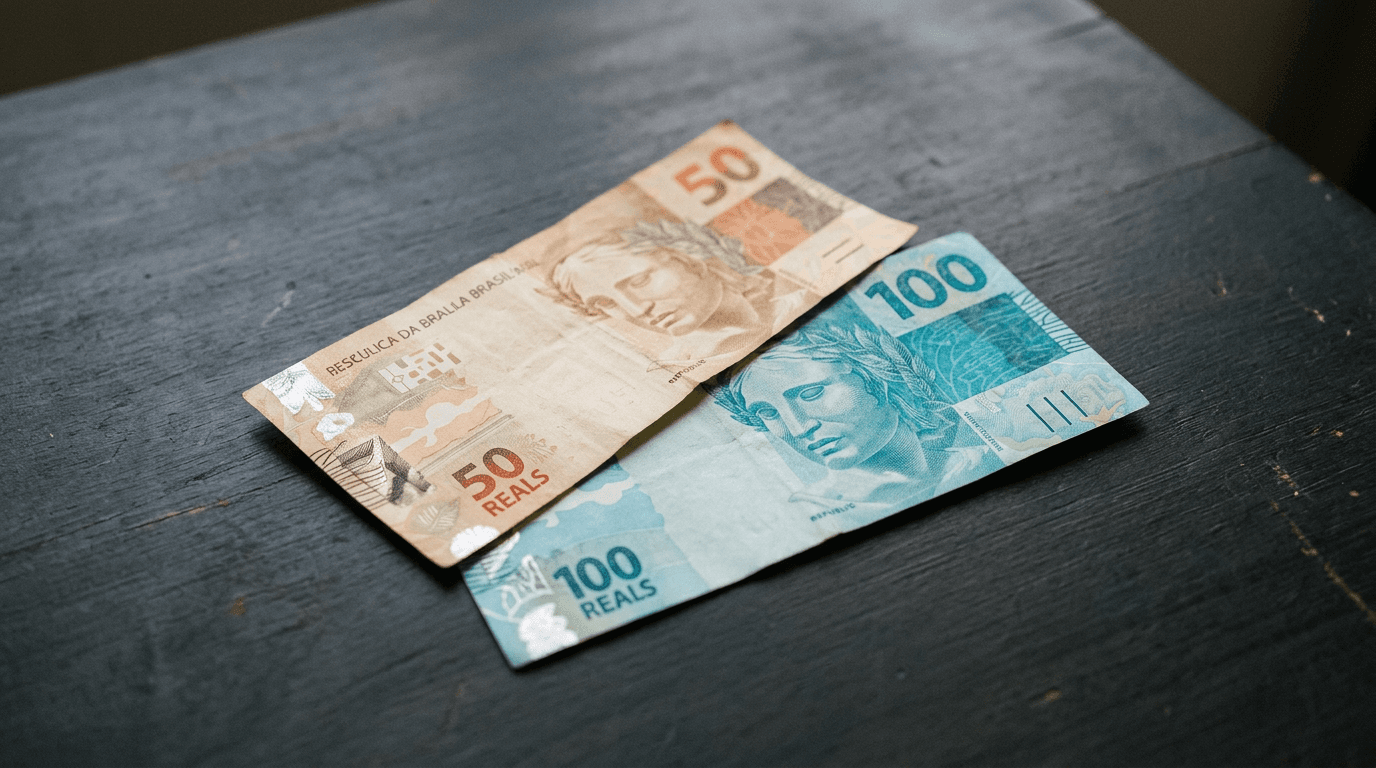
For global investors who monitor the Brazil economy, the legislative sprint represents a rare moment of coordination between Lula’s administration and a fiscally conservative Congress. The urgency peaked when the Brazil real neared 6.00 per US dollar on November 23, 2026—its weakest level in more than 18 months, according to trading data. To shore up the currency, the law introduces a strict fiscal rule, limiting real spending growth to 2% during years requiring budget freezes, down from the previous 2.5% ceiling, according to the legislative text of PLP 299/2026 signed on November 24, 2026.
Additionally, the law allows the federal government to exclude up to BRL 10.5 billion in diesel subsidy expenses from the 2026 primary deficit calculation, a maneuver that avoids more severe budget lockups this year, per the November 24, 2026 publication in the official gazette. While some critics argue that excluding fuel subsidies from the target weakens the absolute integrity of the fiscal rule, the broader package of tax-break rollbacks and spending caps is expected to provide the central bank with breathing room. Brazil's monetary policy committee has been raising interest rates, with the Selic benchmark rate at 13.75% as of late November 2026, to combat an inflation rate that reached 4.63% over the preceding 12 months, according to Central Bank data.
Looking forward, the focus turns to the implementation of the tax break rollbacks, particularly the 20% linear reduction in federal tax incentives scheduled to take effect on January 1, 2027, according to the final law signed on November 24, 2026. Investors will also be watching the government's next bi-monthly revenue and expenditure report, which will test whether these newly enacted measures can successfully prevent additional mandatory spending freezes before the year ends.
In your brokerage app
For retail portfolios, this policy shift directly impacts US-listed equities and country-specific exchange-traded funds. A strengthening real historically boosts the net asset value of the iShares MSCI Brazil ETF (EWZ), the largest US-listed fund tracking Brazilian equities, as well as American Depositary Receipts (ADRs) of major state-backed players like state oil firm Petrobras and mining giant Vale, both listed in New York. If the fiscal package successfully anchors the currency, it could reverse some of the steep FX-driven losses that US investors in Brazilian assets have faced throughout the year.
Related coverage
 Supreme Court Judge Exits Case Governing Vale and BHP Foreign LawsuitsBrazilian Supreme Court Justice Alexandre de Moraes has recused himself from a critical lawsuit that dictates whether municipalities can sue Vale and BHP abroad.
 Vale Ordered to Deposit 133.1 Million Reais for BrumadinhoBrazil's Supreme Court ordered mining giant Vale S.A. to deposit 133.1 million reais within five days to resume Brumadinho disaster compensation.