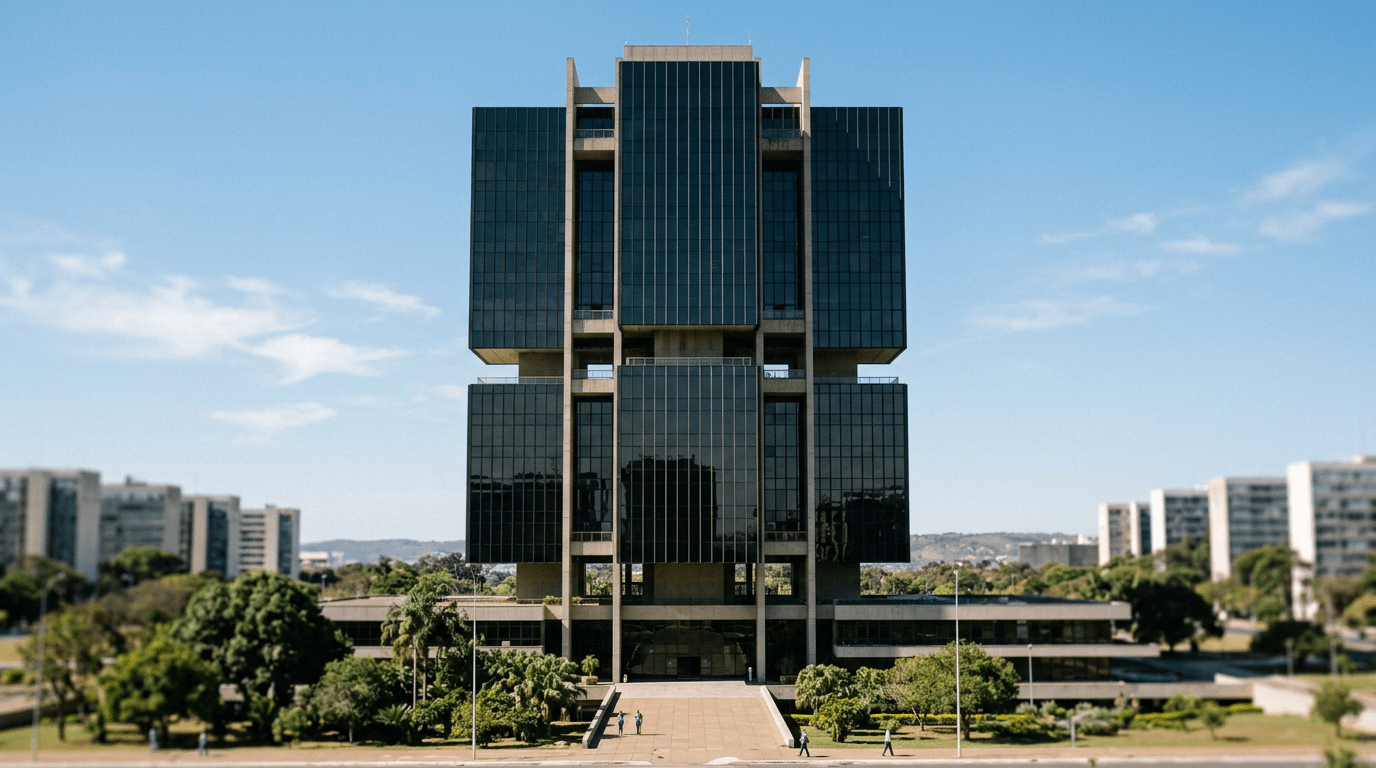
The Fed pays 4.0% while Brazil pays 13.75%: Why the gap matters
Brazil's central bank held its benchmark rate at 13.75% on November 4, 2026, maintaining a massive yield gap with the Fed that shapes emerging market assets.
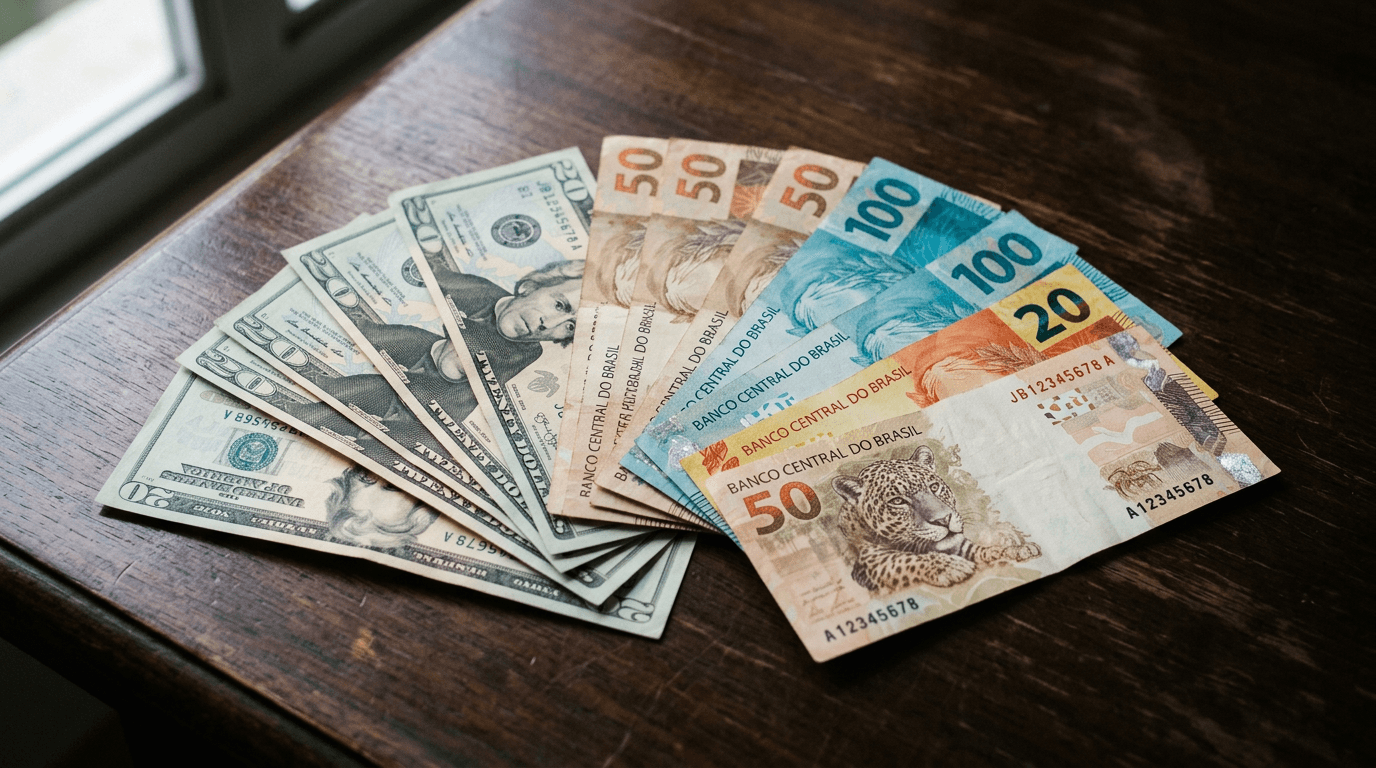
If you hold cash in a high-yield savings account or trade short-term Treasury bills through your brokerage account, you are likely earning around 4.0%. That is the upper limit of the federal funds target range set by the US Federal Reserve, which was verified at 4.0% on November 11, 2026, according to the Federal Reserve Bank of St. Louis (FRED). It is a comfortable, low-risk yield for American retail investors, but it is less than a third of what is currently available just a few flight hours south.
Across the equator, Brazil’s central bank pays a benchmark interest rate of 13.75%. This policy rate, known locally as the Selic target, was held at 13.75% on November 4, 2026, according to the Banco Central do Brasil (BCB). The resulting gap between the two central banks is a massive 9.75 percentage points—a spread that has remained exactly unchanged from its level 30 days ago.
For global macro funds and retail investors alike, this 9.75-point chasm is the engine of the "carry trade". In this strategy, market participants borrow dollars at low US rates, convert them to the Brazilian currency, and invest them in high-yielding Brazilian sovereign bonds to pocket the difference. This constant flow of capital directly influences the US dollar to Brazilian real exchange rate, which hovered at 5.56 reals per dollar on November 11, 2026, according to exchange data from Trading Economics. When the rate gap is wide, it acts as a shield for the currency; when it narrows, capital can exit rapidly, dragging down the value of the real.
The mechanism of political risk
While a 13.75% yield sounds like an easy win, the premium exists because of the unique risks embedded in the Brazilian economy. The institution responsible for setting this rate is the Copom, the monetary policy committee of Brazil's central bank. Under the leadership of its governor, the Copom has to balance high domestic inflation against intense political pressure from the federal government to lower borrowing costs.
The primary mechanism driving this risk is the country's fiscal framework. Brazil's congress and the administration of President Luiz Inácio Lula da Silva constantly negotiate spending limits and tax reforms. If the government spends beyond its legislative ceiling, inflation expectations rise, forcing the central bank to keep the Selic rate restrictively high. For foreign investors, this creates a double-edged sword: you receive an incredibly high interest rate, but you face the risk that fiscal instability could cause the real to dollar exchange rate to deteriorate, erasing your yield gains when converted back into greenbacks.
In your brokerage app
Investors seeking exposure to this yield differential without opening a local Brazilian bank account often use US-listed exchange-traded funds. A widely traded option is the iShares MSCI Brazil ETF, which trades under the ticker EWZ. This fund does not buy government bonds directly; instead, it holds large, rate-sensitive Brazilian companies listed in New York and São Paulo, such as the financial giant Itaú Unibanco and the state-controlled oil producer Petrobras. Because roughly half of the fund is concentrated in domestic financial and utility sectors, its performance is highly sensitive to whether the Selic rate rises or falls.