

Lula Authorizes Spending Cap PEC, Lifting Real 2% Against Dollar
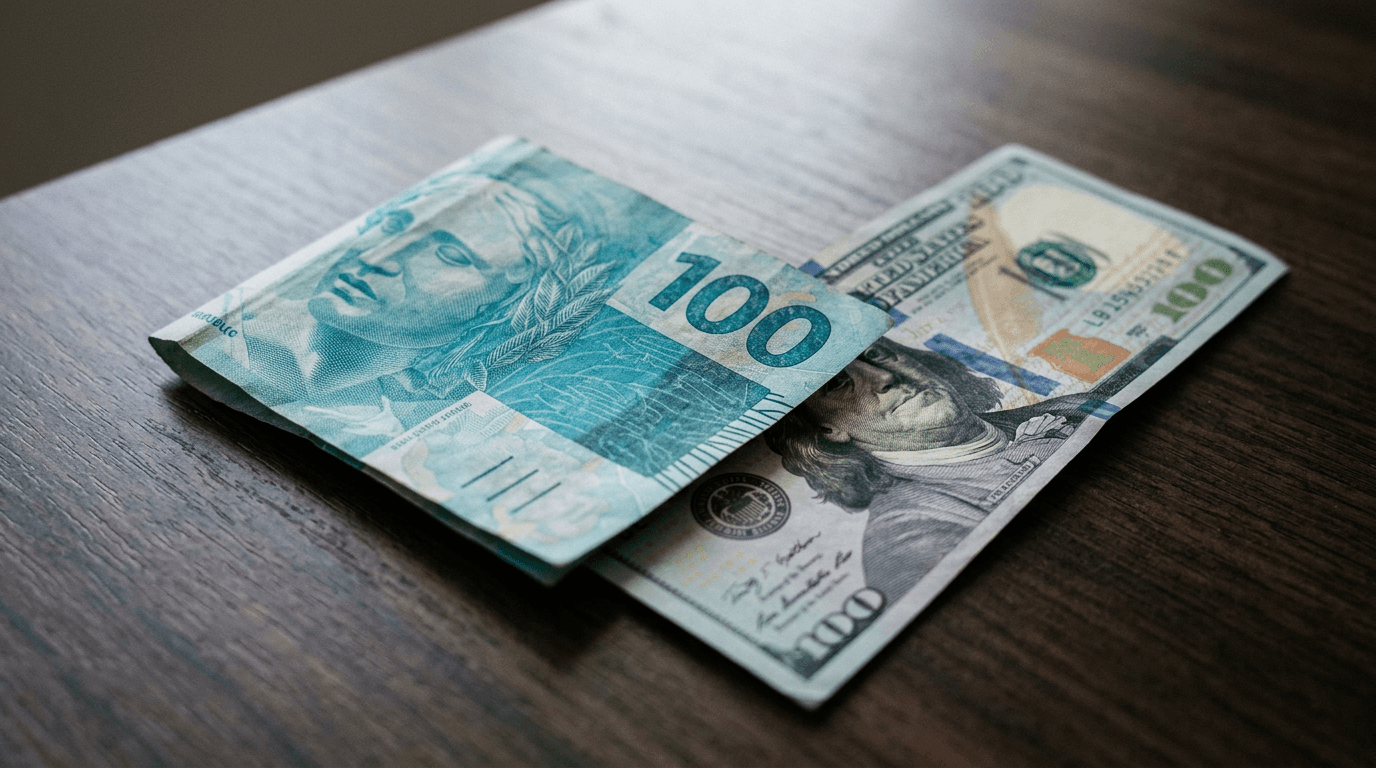
The Brazilian real rose over 2% to R$ 5.80 on Nov 24, 2026, after President Lula authorized a draft constitutional amendment to cap mandatory expenditures.
Key takeaways
- The Brazilian real appreciated over 2.12% to R$ 5.80, per Money Times on November 24, 2026
- President Lula authorized a constitutional amendment to limit mandatory government expenditures, per InfoMoney on November 24, 2026
- Brazilian DI interest rate futures compressed by up to 24 basis points, per Enfoque on November 24, 2026
For American retail investors holding international funds in their brokerage accounts, a sudden policy pivot in South America’s largest economy brought immediate relief on November 24, 2026. The major US-listed exchange-traded fund that tracks Brazilian equities, known as the iShares MSCI Brazil ETF, faced severe downward pressure in recent weeks as fiscal worries escalated. However, a major government announcement helped reverse the trend, stabilizing assets that directly influence the value of US holdings exposed to the region.
The market turnaround was triggered by a rapid recovery in the brazil real, which surged by more than 2.12% to trade at R$ 5.80 against the greenback on November 24, 2026, according to trading data reported by Money Times. This sharp correction followed a historic session on November 23, 2026, when the currency breached the psychological barrier of R$ 6.00 per dollar for the first time. The dramatic shift in the brazil real to us dollar exchange rate came after President Luiz Inácio Lula da Silva gave the green light to draft a new constitutional amendment (PEC) to cap mandatory government spending.
Under the leadership of Minister Dario Durigan, the Ministry of Finance was authorized to draft the proposal targeting rigid fiscal obligations, according to details published by InfoMoney on November 24, 2026. The amendment aims to curb mandatory expenditures in highly sensitive political areas, including health and education floors, as well as parliamentary emendas—discretionary grants that lawmakers direct to their home municipalities. This surprise move represents a major escalation of the administration's fiscal strategy, coming right after the Chamber of Deputies approved a separate fiscal adjustment package on November 23, 2026, which the market had initially deemed insufficient.
Fiscal pivot stabilizes the brazil real to usd exchange rate
This fresh commitment to structural fiscal discipline immediately reduced the country-risk premium, driving down local interest rates. In the domestic derivatives market, the DI interest rate futures curve compressed significantly on November 24, 2026, with mid-to-long term contracts dropping by up to 24 basis points, per data compiled by Enfoque. For instance, the January 2029 futures contract dropped 24 basis points to 14.840%, reflecting a significant relief rally as institutional investors repriced the long-term risk of holding Brazilian debt.
For global portfolio managers, the stabilizing brazil real vs dollar dynamic is a crucial signal. The previous depreciation had raised fears of runaway inflation and forced the Central Bank of Brazil, or Banco Central do Brasil, to maintain a highly restrictive monetary stance. Although the central bank's official stance remains cautious as of November 24, 2026, per the institutional registry at the Banco Central do Brasil, the prospect of a constitutional cap on mandatory spending lowers the risk of a debt spiral. The improvement in the brazil real to dollar rate suggests that foreign capital may begin returning to local capital markets if the political negotiations in Congress proceed smoothly. By the close of trading on November 24, 2026, the US dollar traded at R$ 5.8385 (down 1.53%), while the euro ended at R$ 6.4024 (down 1.15%) and the British pound closed at R$ 7.6454 (down 1.07%).
The draft amendment must still be formally presented to Congress, where it will require a three-fifths majority in both the Chamber of Deputies and the Senate to pass. Investors will be closely watching whether President Lula’s political allies can overcome resistance from opposition lawmakers and public sector lobbies who oppose cutting health and education floors. Any signs of dilution in the text of the PEC could quickly reignite volatility in the brazil real vs usd exchange rate.
In your brokerage app
For retail investors holding the iShares MSCI Brazil ETF, a fund listed in New York that tracks the country's largest corporations, the government's policy pivot directly addresses the foreign exchange drag on their portfolios. Because the fund's underlying assets are denominated in local currency, a stronger currency directly boosts the fund’s net asset value when converted back to US dollars. While this political shift does not change the operational fundamentals of the individual companies in the fund, a stable exchange rate reduces the currency volatility that has historically weighed on international investors.
Related coverage
 Dollar Touches Six-Real Milestone on Shaky Brazil Fiscal OutlookThe USDBRL exchange rate briefly touched the six-real threshold on Monday as domestic fiscal anxieties and global rate pressures intensified investor concerns.
 Wide Yield Gap of 9.75% Steers Brazil Real Against US DollarA yield gap of 9.75 percentage points remains unchanged between US and Brazilian interest rates, anchoring the carry trade for foreign investors.