

Lower House Passes $9.6B Fiscal Plan, Boosting Brazil Real
Brazil's Chamber of Deputies approved a R$56 billion ($9.6 billion) fiscal package, boosting the real as it corrected from a brief spike above R$6.00.
Key takeaways
- Brazil’s Chamber of Deputies approved the PLP 299/2026 fiscal package by a 353 to 128 vote, per congressional records on November 23, 2026
- The fiscal adjustment package is designed to generate up to R$56 billion ($9.6 billion) in budget savings for 2027, per legislative estimates on November 23, 2026
- The Brazil real rebounded nearly 2% to R$5.82 against the U.S. dollar, per Forbes on November 24, 2026
Brazil’s Chamber of Deputies approved a major R$56 billion ($9.6 billion) fiscal adjustment package on November 23, 2026, providing a significant boost to the local currency as policymakers seek to stabilize the country's sovereign credit profile. The lower house passed the basic text of the bill, known as PLP 299/2026, by a decisive vote of 353 to 128. The legislative breakthrough immediately relieved pressure on the foreign exchange market, reducing the fiscal risk premiums that have recently weighed on South America's largest economy.
Market Reaction and Exchange Rate Shifts
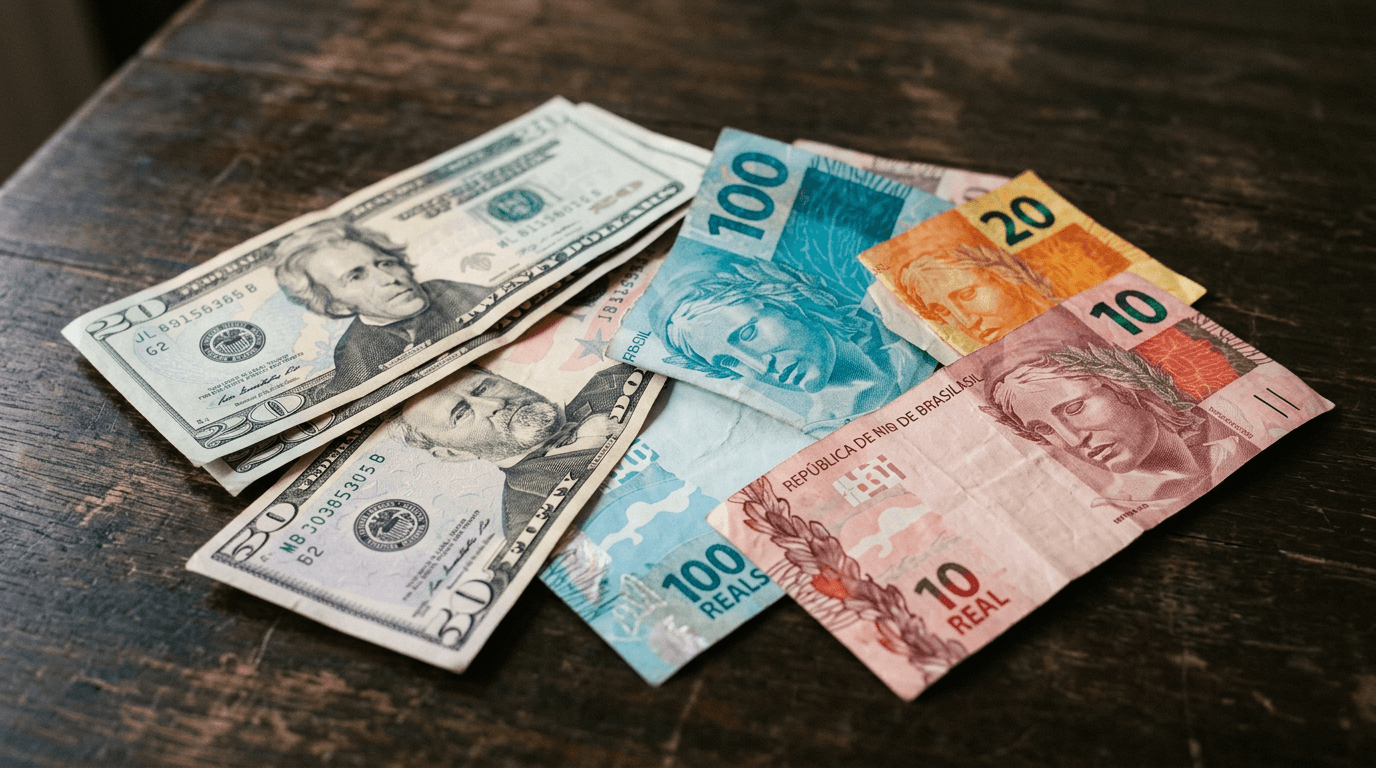
The immediate impact of the legislative success was felt across currency desks on November 24, 2026, as the exchange rate for the brazil real to usd rebounded. According to Forbes, the greenback fell nearly 2% to R$5.82 on November 24, 2026. This move corrected a volatile spike from November 23, 2026, when the brazil real to dollar briefly breached the psychologically critical threshold of R$6.00, peaking at R$6.005 during morning trading, as reported by Congresso em Foco.
The legislative package is designed to generate up to R$56 billion ($9.6 billion) in budget savings for the 2027 fiscal year. The reform equips the executive branch with stronger mechanisms to manage public expenditures and track fiscal targets, allowing the government to block a larger volume of spending if there is a risk of missing its primary result goals.
Strategic Outlook for International Capital
This legislative action has reassured international asset managers who had been growing concerned over Brazil’s fiscal outlook. Prior to the vote, the brazil real vs usd had suffered from persistent domestic uncertainty and global market pressures, which pushed the currency toward multi-month lows. Foreign capital holders view the passage of the bill as an important tactical step toward safeguarding Brazil's primary balance targets.
Going forward, the focus shifts to the implementation of these measures and the broader fiscal trajectory. While the Chamber's vote on November 23, 2026, secures the core of the fiscal package, the bill must still be formally enacted. Furthermore, economists and market analysts note that while the R$56 billion package provides tactical relief, long-term debt stabilization will likely require additional structural changes, such as addressing mandatory spending on pension and healthcare outlays.
In your brokerage app
For retail investors holding diversified emerging market funds, a more stable exchange rate directly impacts broad-market equity returns. Reduced currency volatility lowers the hedging costs for the iShares MSCI Brazil ETF, a popular exchange-traded fund listed in New York that tracks large-cap Brazilian equities. A stronger real helps prevent the currency depreciation that often erases corporate earnings when translated back into U.S. dollars.
Related coverage
 Itaú Enters Low-Income Housing Program to Challenge State DominanceItaú Unibanco is entering Brazil's flagship affordable housing program, Minha Casa Minha Vida, to challenge state-owned lenders in the mortgage market.
 Petrobras Approves $2.7B Extra Dividend, Hikes Capex to $122BPetrobras approved a $2.7 billion extra dividend on Nov. 23, 2026, alongside a larger-than-expected $122 billion five-year capital spending plan.