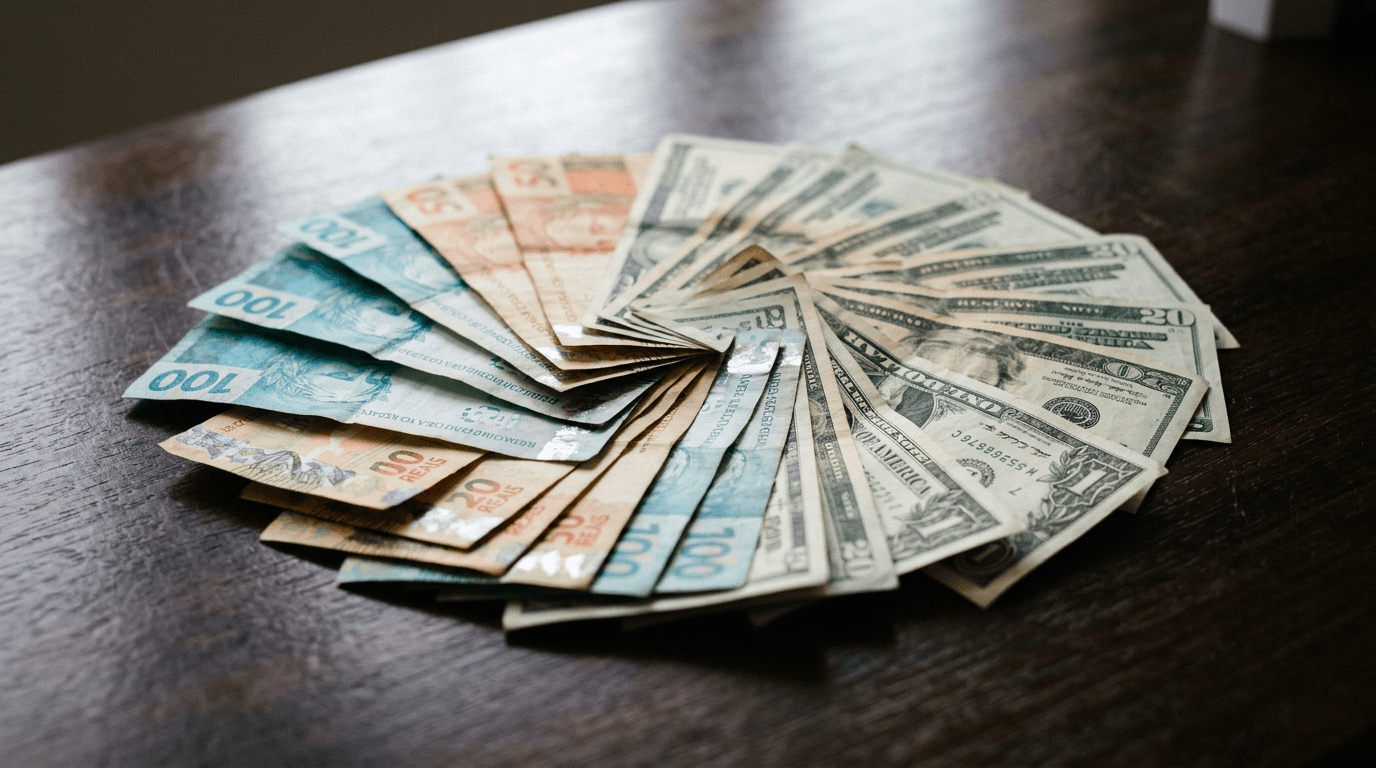
With Fed Rates at 4.0%, Brazil's 13.75% Target Keeps Rate Gap at 9.75%
The interest rate gap between the US Fed funds upper target of 4.0% and Brazil’s Selic of 13.75% remains at 9.75 percentage points as of November 20, 2026.
Key takeaways
- Federal Reserve maintained its upper target rate at 4.0%, per FRED on November 20, 2026
- Banco Central do Brasil held its Selic rate target at 13.75%, per BCB on November 20, 2026
- The interest rate gap between the US and Brazil remained at 9.75 percentage points, per FRED and BCB on November 20, 2026
As the Federal Reserve holds its benchmark interest rate upper target at 4.0%, American investors are looking at a dramatically different yield landscape in Latin America. On November 20, 2026, the Banco Central do Brasil held its benchmark Selic rate target at 13.75%, maintaining a massive 9.75 percentage point interest rate gap between the two nations that has held steady for the last 30 days. This wide yield premium directly dictates the cost of hedging, the direction of the brazil real to us dollar exchange rate, and the performance of major country funds.
For an American investor, this gap represents the "carry trade" margin—the theoretical yield pocketed by borrowing in cheap dollars and lending in high-yield reals, before currency fluctuations. Under the continuous inflation-targeting framework launched in January 2025, Brazil's central bank, known as the BCB, must keep consumer price inflation within a target band of 1.5% to 4.5%. On November 4, 2026, the BCB's Monetary Policy Committee, or Copom, unanimously decided to pause its rate-cutting cycle and keep the Selic target at 13.75%, citing rising domestic fiscal concerns and a worsening international economic outlook.
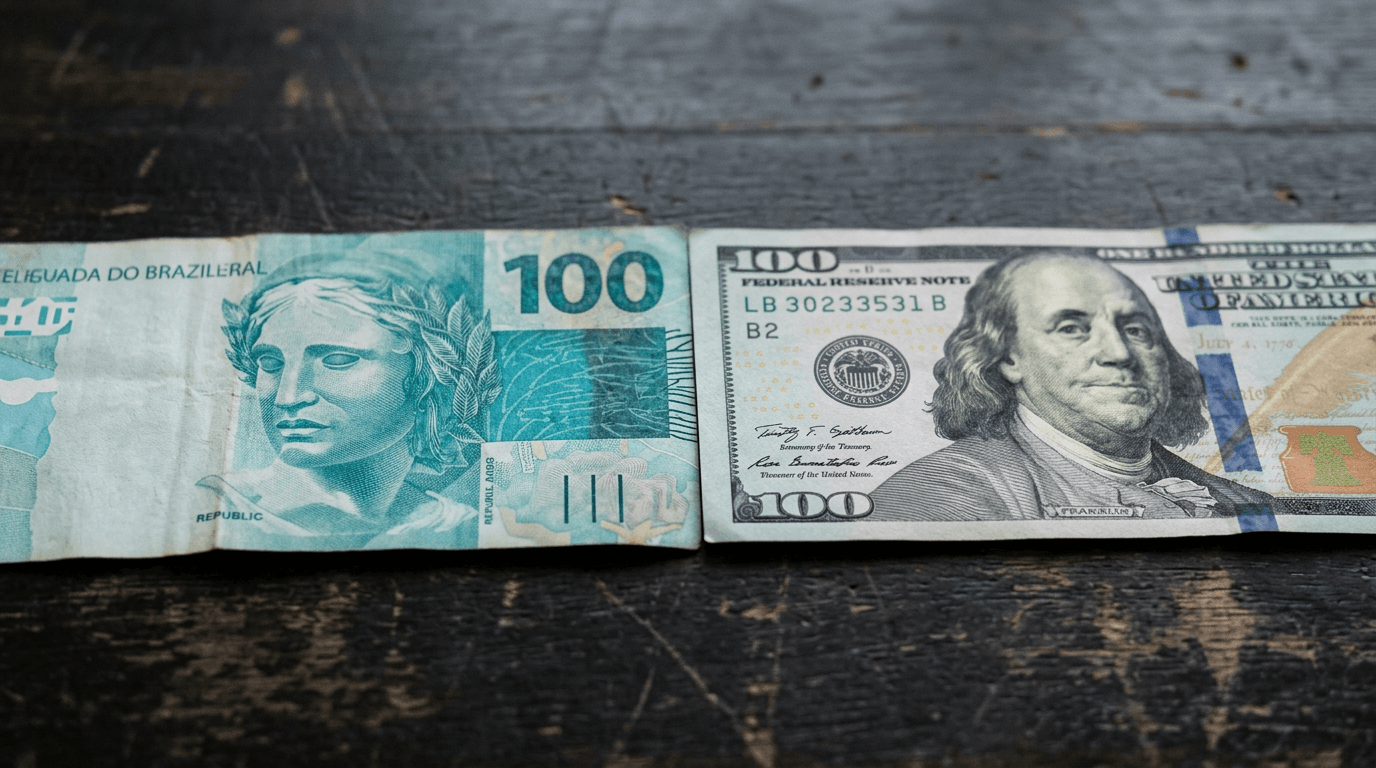
This high interest rate is designed to defend the brazil real against dollar depreciation, but the currency remains under pressure. On November 20, 2026, the USD/BRL rate traded at 5.9488, marking a 0.74% rise on the day and reflecting persistent market anxiety over government spending. While a 13.75% yield sounds highly attractive, the brazil real vs dollar exchange rate can quickly wipe out those gains for unhedged dollar-denominated portfolios. For perspective, the currency gap has widened even as Copom paused its cuts, which previously saw the Selic drop from its 20-year peak of 15% down to its current 13.75%.
Economists are divided on where these rates will go next. While some major brokerages expect the Selic to remain at 13.75% through the end of 2027, others believe deteriorating inflation expectations—which climbed to 5.2% for 2026 in recent Focus surveys—might even force the central bank to hike rates at its upcoming meeting on December 9, 2026. US investors must watch whether the Fed continues to adjust its target range upper limit, as any narrowing or widening of the 9.75 percentage point spread will immediately reshape capital flows into emerging markets.
In your brokerage app
For retail investors using Schwab or Fidelity, the easiest way to gain exposure to this yield spread is through the iShares MSCI Brazil ETF, which trades under the ticker EWZ and closed at $30.07 on November 18, 2026. Alternatively, some brokerages offer direct access to Brazilian government bonds, but investors should keep in mind that unless they hedge their positions, their actual returns remain heavily exposed to the volatile brazil real to dollar exchange rate.