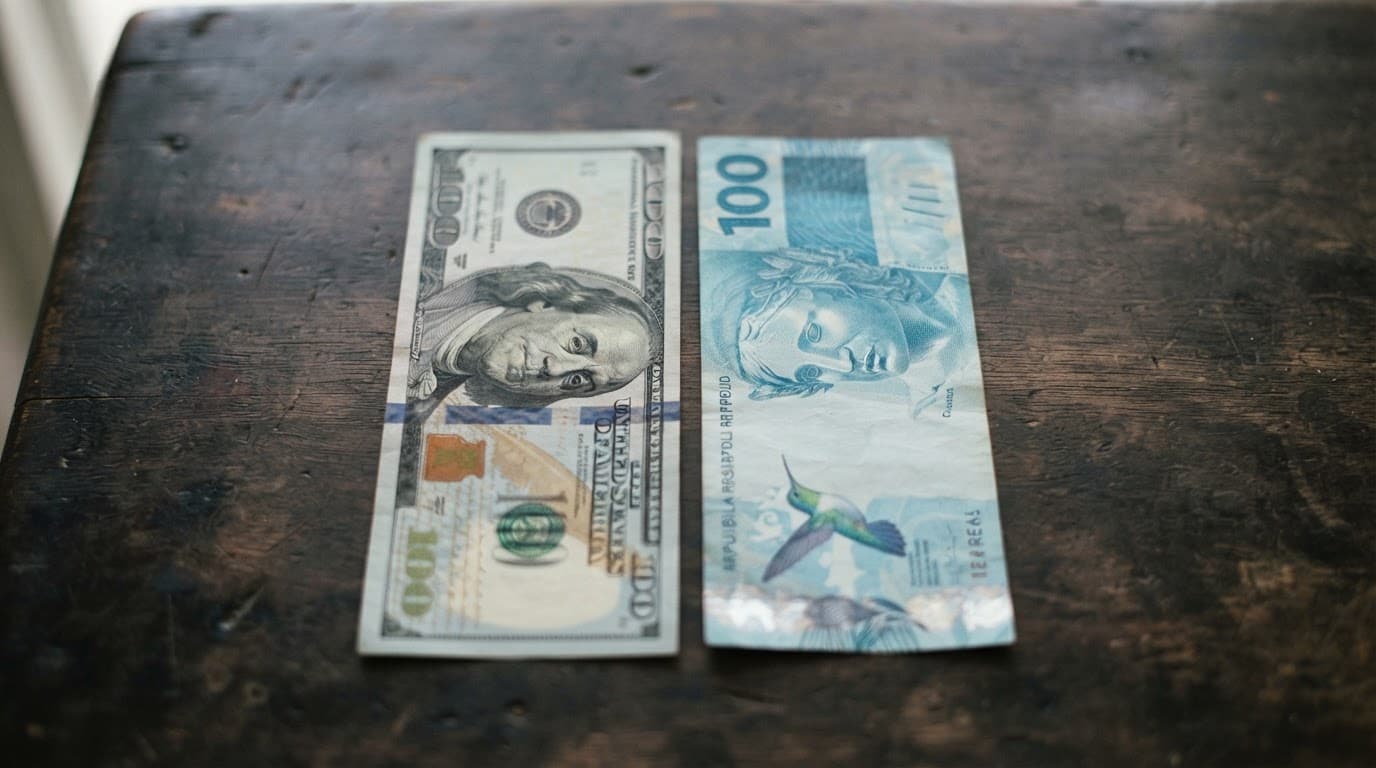
U.S. Dollar Nears 6.00 Reais as Brazil's $1 Billion Intervention Fails
The U.S. dollar approached 6.00 reais on Nov. 23, 2026, eroding unhedged EWZ ETF returns despite a $2 billion central bank market defense.

Key takeaways
- The USD/BRL spot exchange rate rose to 5.9911, marking a 10.66% real depreciation over the past month, per Trading Economics on November 23, 2026
- The Banco Central do Brasil executed a surprise $1 billion spot dollar auction on November 19, 2026, its first outright direct reserve sale since December 2024, per central bank data
- Market analysts hiked their 2026 year-end exchange rate forecast to 5.55 reais, up from 5.40 reais, per the Focus Bulletin on November 23, 2026
U.S. retail investors holding the unhedged iShares MSCI Brazil ETF are seeing their dollar-denominated returns eroded as the greenback climbed to 5.9911 Brazilian reais on November 23, 2026, according to exchange rate data from Trading Economics. This milestone marks a steep 10.66% depreciation of the real over the past month, according to Trading Economics on November 23, 2026, directly undercutting foreign investment gains despite aggressive market defense by local monetary authorities.
The currency's slide continues despite an aggressive, unexpected defensive move by the Banco Central do Brasil. On November 19, 2026, the central bank executed a surprise $1 billion spot dollar auction, representing its first outright, direct sale of physical foreign reserves to support the currency since December 2024, according to operational data from the Banco Central do Brasil. Combined with temporary dollar liquidity lines, the central bank’s total market intervention reached $2 billion across November 18-19, 2026, according to official central bank operational reports, yet failed to halt the local currency’s descent toward the psychological 6.00 reais barrier.
Adding to the pressure, local financial institutions have capitulated on their previous currency expectations. In the weekly Focus Bulletin released on November 23, 2026, market analysts officially hiked their 2026 year-end exchange rate forecast to 5.55 reais per dollar, up from 5.40 reais in the previous week’s survey, as reported by EBC. This deterioration of sentiment occurred even though Brazil’s benchmark Selic interest rate remains held at a high 13.75%, following the monetary policy committee's (Copom) decision on November 4, 2026, to battle stubborn inflation running above the official target ceiling.
The monetary divergence highlights the currency's struggle to find a bottom. Although the high yield differential between Brazil and the United States would typically attract carry-trade investors looking to capture the gap between U.S. yields and Brazil's double-digit interest rates, persistent fiscal uncertainties have instead triggered capital outflows. Investors are now closely monitoring whether the central bank will deploy more of its foreign reserves or if the federal government will announce structural spending cuts to stabilize local asset prices.
In your brokerage app
For retail investors holding the unhedged iShares MSCI Brazil ETF, listed in New York, the persistent depreciation of the real acts as a direct drag on dollar-denominated returns. When the Brazilian currency drops, the underlying value of Brazilian equities held by the fund is worth fewer U.S. dollars, meaning portfolio performance is heavily dependent on the exchange rate rather than just stock prices.