

Sliding Real Triggers $1 Billion Central Bank Intervention
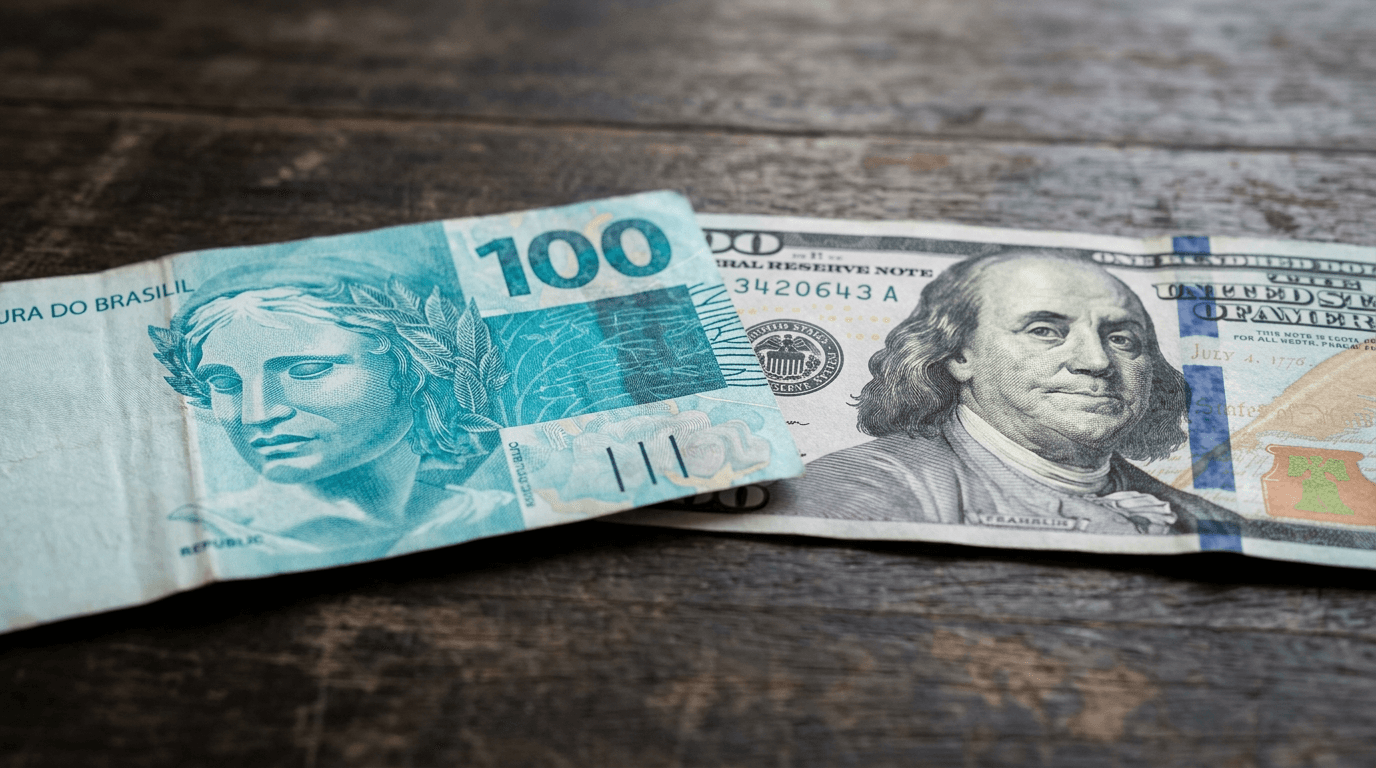
The Central Bank of Brazil sold $1 billion in direct line auctions to support the sliding real as legislative delays over a fiscal package sparked currency stress.
Key takeaways
- The Central Bank of Brazil fully sold $1 billion in direct line auctions on November 18, 2026, per BCB data
- The currency intervention came as the Brazilian real slid past R$ 5.80 amid delays in the Senate's vote on a R$ 60 billion fiscal package
- The bank auctioned $250 million with an April 2, 2027 repurchase and $750 million with a July 2, 2027 repurchase, per BCB
- Long-term DI future yields remained above 15% on November 18, 2026, as investors demanded higher premiums due to the legislative gridlock
American investors holding major emerging-market funds or Latin American assets watched their dollar-denominated returns shrink on November 18, 2026, as a sharp currency slide triggered a direct $1 billion liquidity intervention in the foreign exchange market. The move highlights how domestic legislative delays can quickly disrupt global portfolios, forcing monetary authorities to step in and stabilize trading conditions.
The Central Bank of Brazil (BCB) stepped in on November 18, 2026, to fully sell $1 billion in direct line auctions (venda de dólares com compromisso de recompra) to bolster spot-market dollar liquidity, according to official data. This direct intervention came as the spot commercial dollar weakened past 5.80 reals per dollar on November 18, 2026, per market quotes, pressured heavily by the Senate’s decision to delay votes on key aspects of a R$ 60 billion ($10.3 billion) fiscal adjustment package, according to Senate records. By utilizing dollar auctions with repurchase agreements, the guard of the real aimed to mitigate market dysfunction without permanently drawing down the nation’s net foreign reserves.
Political Gridlock Drives Currency Disruption
In the first auction, designated as 352/2026, the BCB sold $250 million with a repurchase date of April 2, 2027, at a cutoff rate of 5.865%, per the Central Bank of Brazil announcement on November 18, 2026. The remaining $750 million was sold in a second auction, designated as 353/2026, with a repurchase date of July 2, 2027, according to the same November 18, 2026, BCB announcement. Both transactions are scheduled to be settled on November 23, 2026, per the central bank's operational calendar, providing a temporary injection of dollars into the spot market.
The underlying driver of this currency stress is the legislative gridlock surrounding the government's fiscal plan, known as the "plano Moretti." The Senate’s delay in voting on critical parts of the package has kept markets on edge. In parallel, long-term Brazilian DI future yields remained elevated above 15% on November 18, 2026, as investors demanded higher premiums to hold local debt, according to B3 exchange data. This high rate reflects skepticism over whether the administration of President Luiz Inácio Lula da Silva can secure the 41 votes required in the Senate to pass the complete fiscal adjustment as of November 18, 2026, per legislative tracking.
Beyond currency interventions, international investors are also factoring in the trajectory of the brazil central bank interest rate. The BCB’s monetary policy committee has maintained a hawkish stance, raising the Selic rate to combat inflation that has been fueled by the weakening real. With domestic rates already high, any further legislative setbacks on the R$ 60 billion package could force the central bank to keep rates elevated for longer, raising borrowing costs and further depressing local equity valuations.
In your brokerage app
American retail investors holding the iShares MSCI Brazil ETF, a popular fund tracking Brazilian equities, or those monitoring the USD/BRL currency pair, should watch how these central bank measures stabilize the real. While currency interventions can offer temporary relief, long-term fund performance will remain heavily tied to whether Brazil can successfully pass its fiscal reforms.
Latest articles
 US-Listed Brazil ETF Braced for New 25% Dividend Tax ProposalLeft-wing lawmakers in Brasília proposed progressive dividend taxes up to 25% as US-listed Brazilian equities navigate fiscal reforms and corporate shocks.
 Retailers Restructure as Brazil Formally Bans Six-Day WorkweekBrazil's ban on the 6x1 workweek forces US-traded retailers to redesign shifts and invest in automation as formal hourly labor costs are projected to rise.
 Telefônica Brasil Confirms December Payout to New York InvestorsTelefônica Brasil confirmed the December payment date for a previously approved interest-on-capital distribution. Here is what ADS holders can expect.