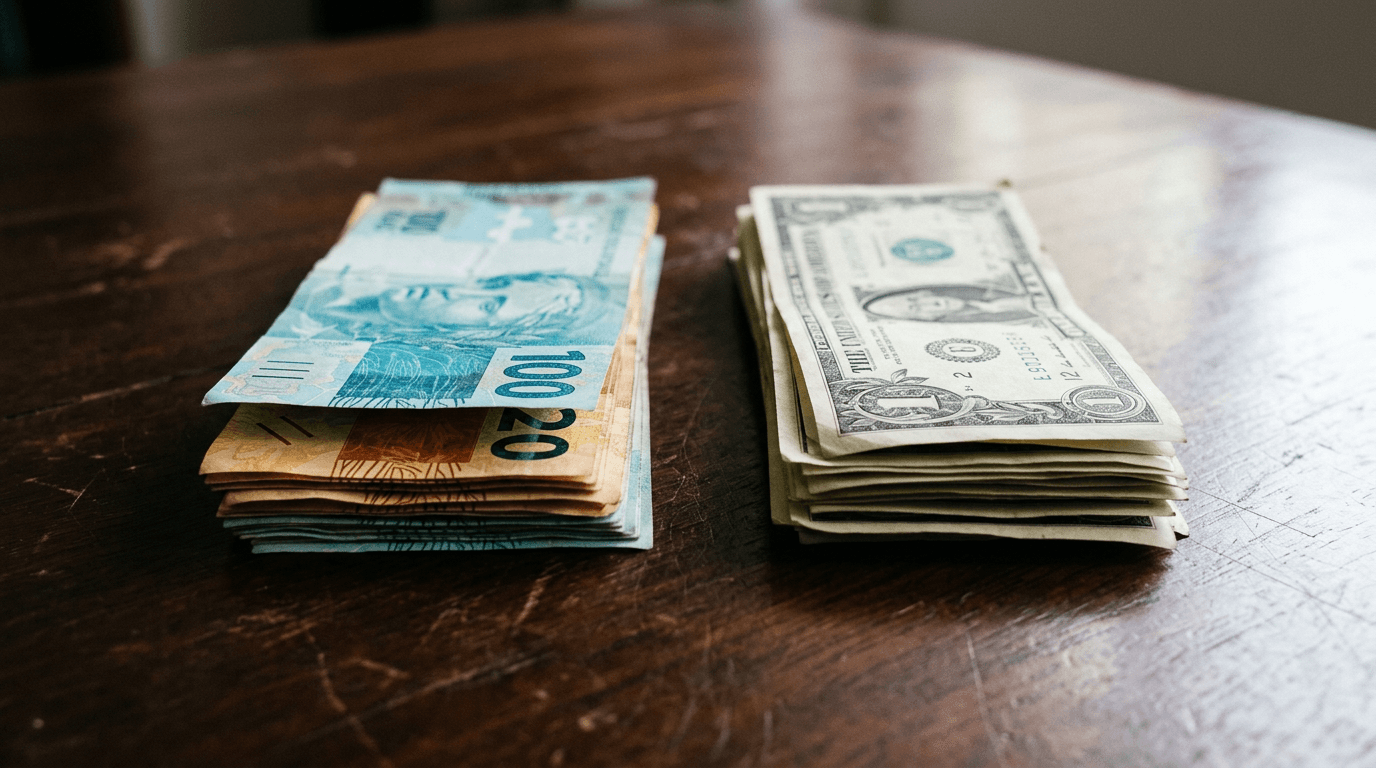
US Dollar Surges to R$ 5.77 on Fiscal and Labor Warnings
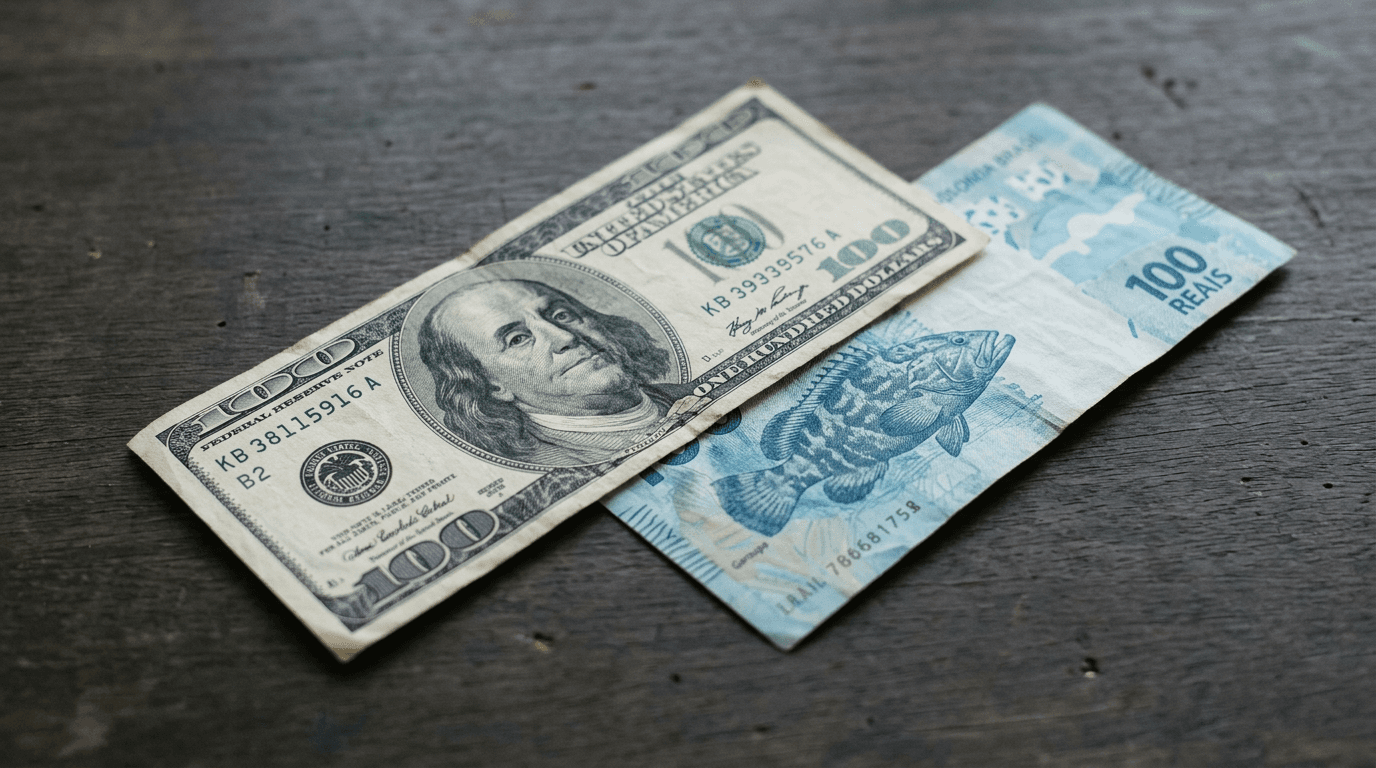
The US dollar hit R$ 5.778 on November 16, 2026, as Brazil's central bank warned of labor and fiscal risks, driving a massive R$ 13.5 billion foreign outflow.
Key takeaways
- The US dollar surged to R$ 5.778, a 2.17% gain, per Central Bank of Brazil data on November 16, 2026
- Brazil's Central Bank kept the benchmark Selic rate at 13.75% and warned of rising labor costs, per Copom minutes on November 10, 2026
- Foreign investors withdrew R$ 13.5 billion from Brazilian equities since late-October elections, per B3 transaction data reported on November 16, 2026
American investors holding broad-market emerging market funds are watching their returns devalued by a sudden, sharp slump in the Brazilian currency, which has driven the U.S. dollar to its highest exchange rate in more than 18 months. This rapid currency depreciation directly impacts the net asset value of foreign holdings, eroding gains even when local stock prices remain stable in São Paulo.
On November 16, 2026, the U.S. dollar gained 2.17% to close at R$ 5.778, according to market data compiled by Bem Paraná. This represents the highest closing rate for the greenback since April 17, 2025, when it closed at R$ 5.804. This rapid shift in the brazil dollar exchange rate has been accelerated by domestic policy anxieties, triggering a swift repricing of local assets in terms of the dollar.
The primary driver of this currency weakness is growing investor concern over inflation and fiscal discipline. In its Copom minutes published on November 10, 2026, the Central Bank of Brazil kept its benchmark Selic rate at 13.75%, halting its rate-cutting cycle and warning of four main inflation risks. Among these, the central bank highlighted the country's persistent fiscal deficit and the proposed congressional ending of the traditional 6x1 workweek—a labor reform that policymakers warn will elevate labor costs and feed consumer price inflation.
These compounding domestic uncertainties have triggered a massive exit of international capital from the local market. Since the late-October election results, foreign investors have pulled R$ 13.5 billion (approximately $2.34 billion) out of Brazilian equities, according to transaction records from the B3 exchange reported by Radio Pampa on November 16, 2026. This rapid pullback represents over 30% of the R$ 40 billion in net annual inflows that global funds had funneled into Brazilian stocks prior to the second round of voting.
Looking ahead, the direction of the currency will depend heavily on whether the federal government can deliver on its promised spending cuts. Markets are waiting for the formal presentation of a fiscal package designed to rein in mandatory expenditures, which the administration hopes will restore confidence. Until a credible plan is approved by Congress, the real is likely to remain highly volatile.
In your brokerage app
For retail investors holding the iShares MSCI Brazil ETF, which tracks the largest public companies in the country, or American Depositary Receipts of companies listed in New York, the strengthening dollar poses an immediate risk. A rising brazil dollar exchange rate means that even if a company's shares perform well on the local B3 exchange, the converted value in U.S. dollar terms will shrink, directly dampening the performance of broad-market emerging market funds.