

A $3.75 Billion Brazil Shield to Protect Emerging Market Returns
The Central Bank of Brazil announced a $3.75 billion currency swap program on November 12, 2026, to stabilize the real and defend foreign investor returns.
Key takeaways
- Central Bank of Brazil scheduled an FX swap auction of 75,000 contracts, valued at $3.75 billion, per Comunicado No. 46,283 on November 12, 2026
- Central Bank of Brazil set the operations to start on December 1, 2026, to roll over expiring contracts, per official documents on November 12, 2026
- Central Bank of Brazil maintained physical international reserves of approximately $340 billion, per central bank data as of November 2026
- The commercial dollar rose over 13% from October lows to close at R$ 5.6413, per market exchange data on November 12, 2026
U.S. retail investors holding emerging market assets saw a new line of defense emerge on November 12, 2026, as a key regional central bank announced a $3.75 billion currency intervention to shield international portfolios from exchange-rate losses. This massive derivative program is engineered to offer liquid hedging in the futures market, keeping the local currency stable and preventing a direct devaluation of foreign-denominated investments.
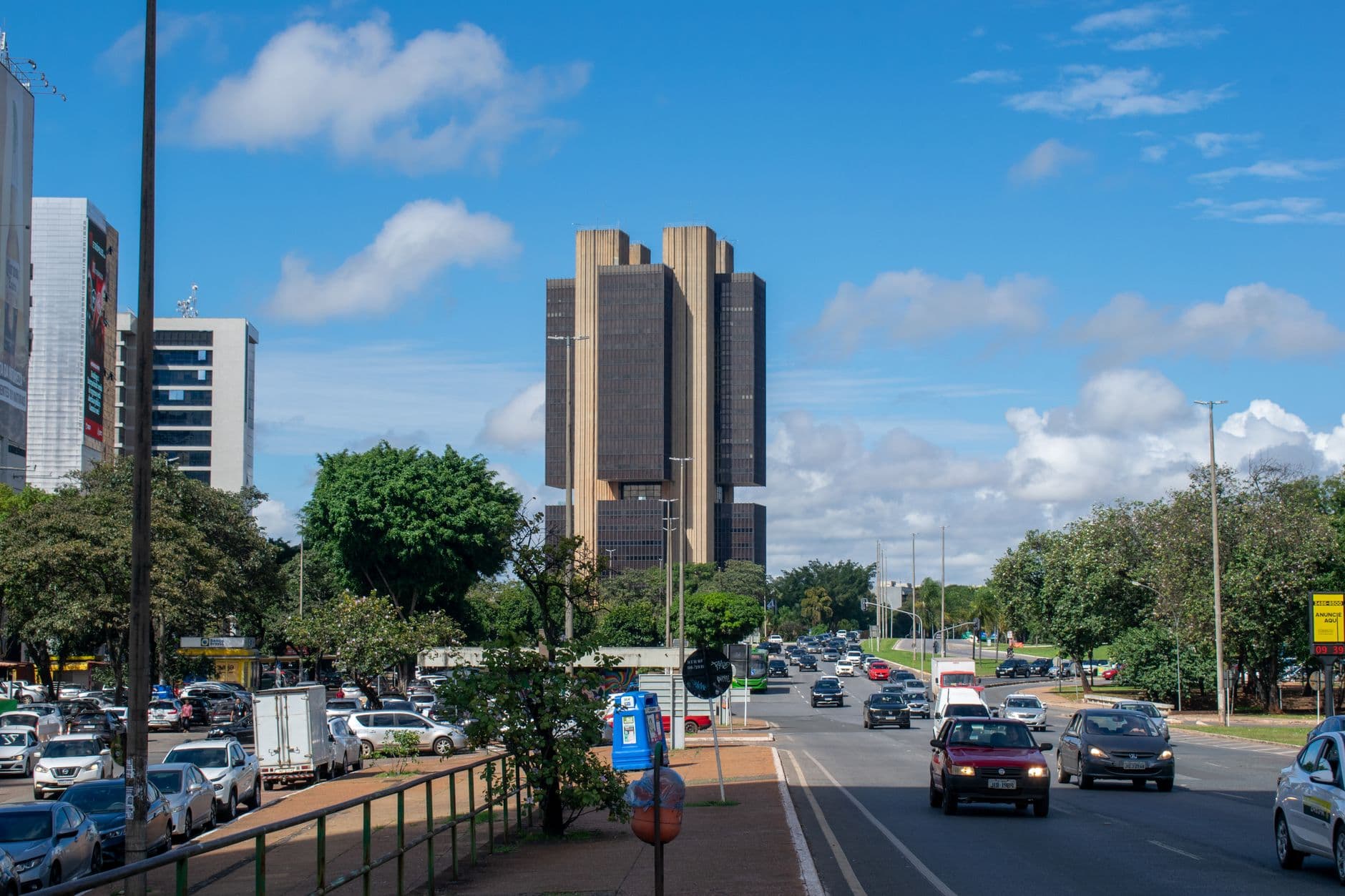
The Central Bank of Brazil is the institution behind this protective maneuver, issuing Comunicado No. 46,283 on November 12, 2026, through its international reserves department. Under the leadership of unit chief Ricardo da Costa Martinelli and deputy chief Gustavo Santinoni Vera, the central bank scheduled a traditional foreign exchange swap auction of up to 75,000 contracts, representing a total notional value of USD 3.75 billion, per the central bank's announcement on November 12, 2026. The operations are scheduled to begin on December 1, 2026, and run through their expiration on March 1, 2027.
This intervention comes at a critical time for the Brazilian real, which has faced severe pressure in global currency markets. On November 12, 2026, the commercial dollar closed at R$ 5.6413, representing a steep climb of over 13% from October lows near R$ 5.02, according to market closing data. By utilizing traditional FX swaps rather than selling physical greenbacks, the central bank provides much-needed hedging liquidity to financial institutions in the futures market while avoiding a direct drain on Brazil's physical international reserves, which stood at approximately USD 340 billion as of November 2026, according to the Central Bank of Brazil.
Supporting the Real
For global investors, the mechanism of a traditional swap is highly significant. In this setup, the central bank assumes a buying position on exchange rate variation while the financial institution takes a selling position, effectively offering a hedge against dollar appreciation. This helps prevent panic buying of physical dollars, stabilizing the exchange rate without depleting the nation's currency vault. For anyone holding Brazilian assets, a more stable real prevents the conversion losses that have recently dragged down overall returns on South American holdings.
Looking ahead, market participants will closely watch the bidding results of the December 1, 2026, auction to assess commercial demand for the swaps. The central bank's ability to smoothly roll over these expiring contracts will determine whether the real can establish a firm floor or if further intervention will be required to keep exchange-rate volatility from hurting foreign portfolios.
In your brokerage app
For retail investors holding the iShares MSCI Brazil ETF, a popular fund listed in New York that tracks Brazilian equities, fluctuations in the real directly impact the fund's net asset value. When the Brazilian currency strengthens or stabilizes due to central bank intervention, it helps preserve the dollar-denominated returns of the underlying stocks held in the fund, such as iron ore giant Vale or state-controlled oil firm Petrobras, both of which are also listed on U.S. exchanges.
Related coverage
 Rate Spread Steady at 9.75 Points as Fed and Brazil Maintain TargetsA 9.75 percentage point rate spread remains between the Fed's 4.0% upper target and Brazil's 13.75% Selic rate, shaping options for currency investors.
 US Dollar Surges to R$ 5.77 on Fiscal and Labor WarningsThe US dollar hit R$ 5.778 on November 16, 2026, as Brazil's central bank warned of labor and fiscal risks, driving a massive R$ 13.5 billion foreign outflow.