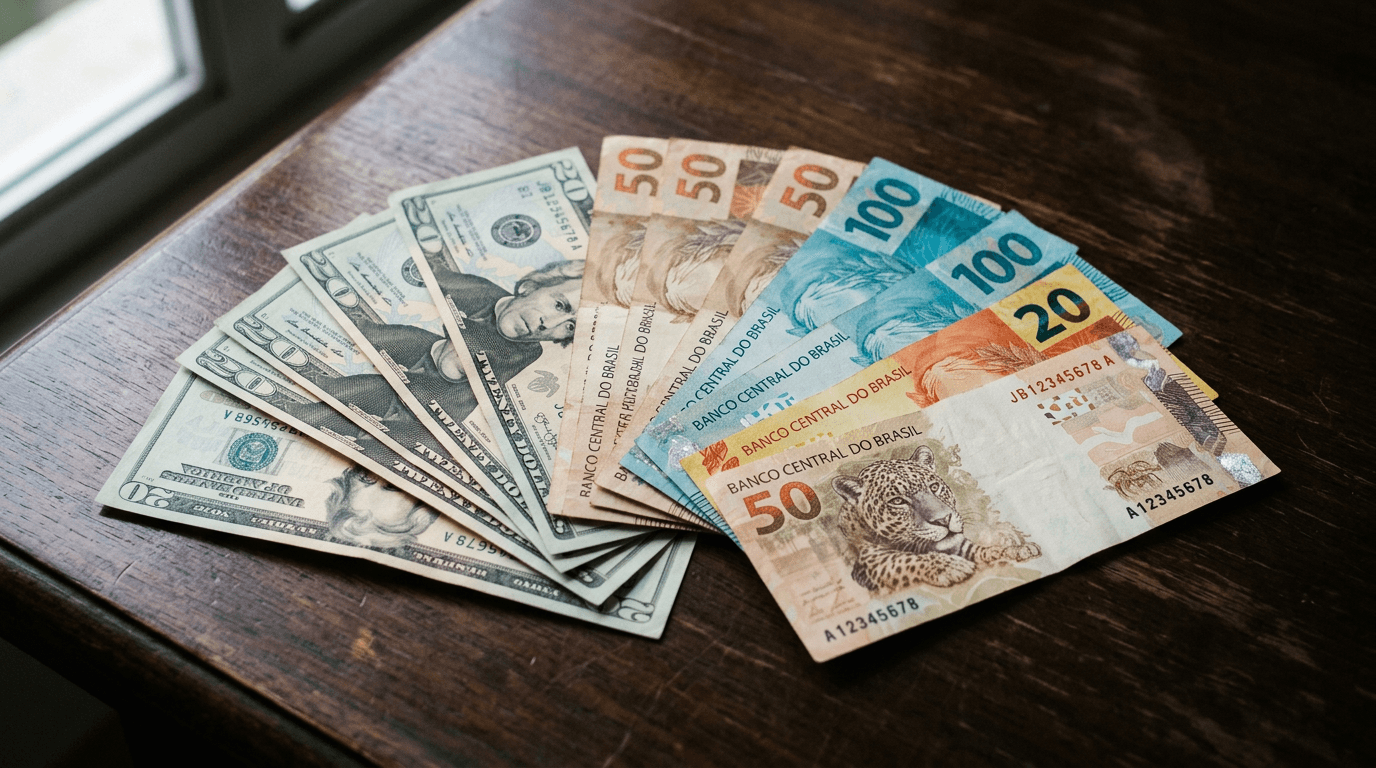
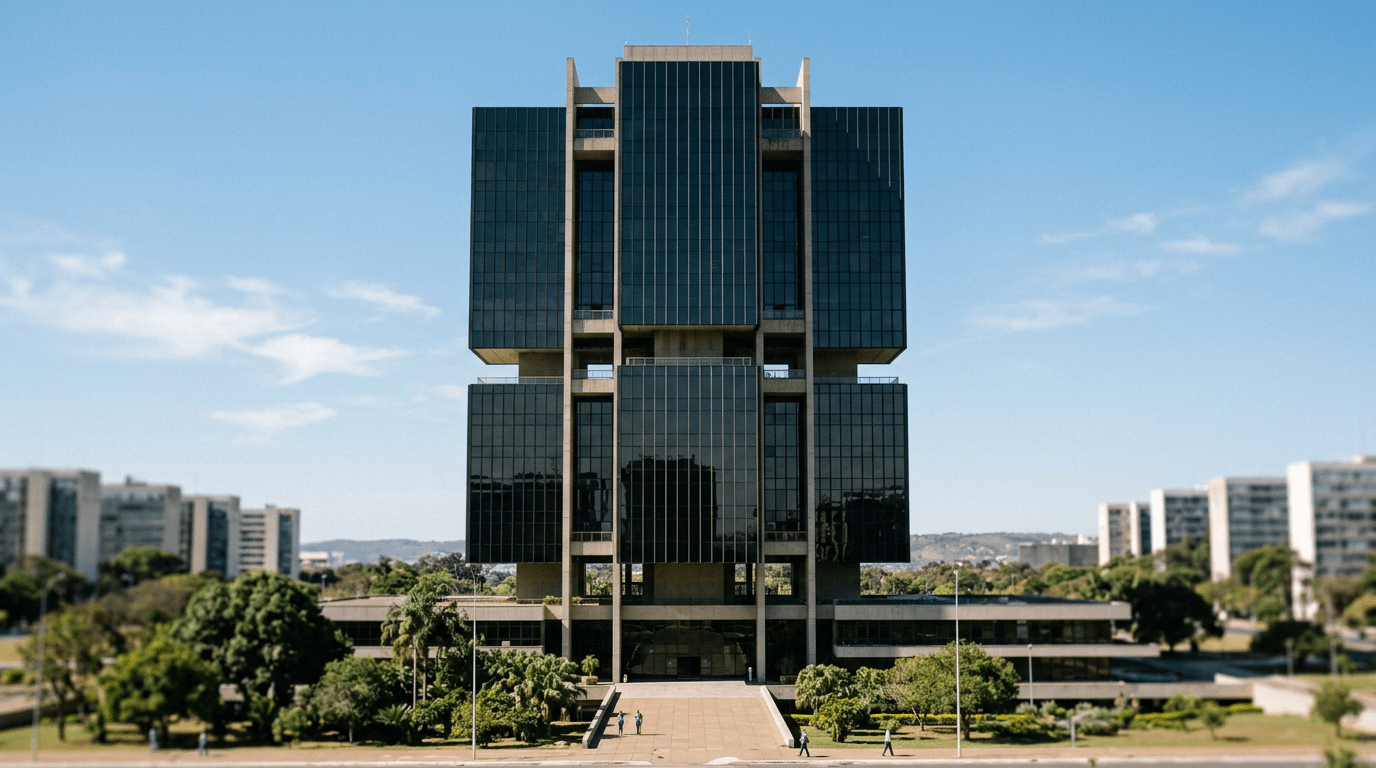
US Investors Face Currency Headwinds as Brazil's Debt Triggers Risk Repricing
Brazil's gross public debt climbed to 82.9% of GDP in September 2026, forcing the central bank to pause its rate cuts and pressuring the real.
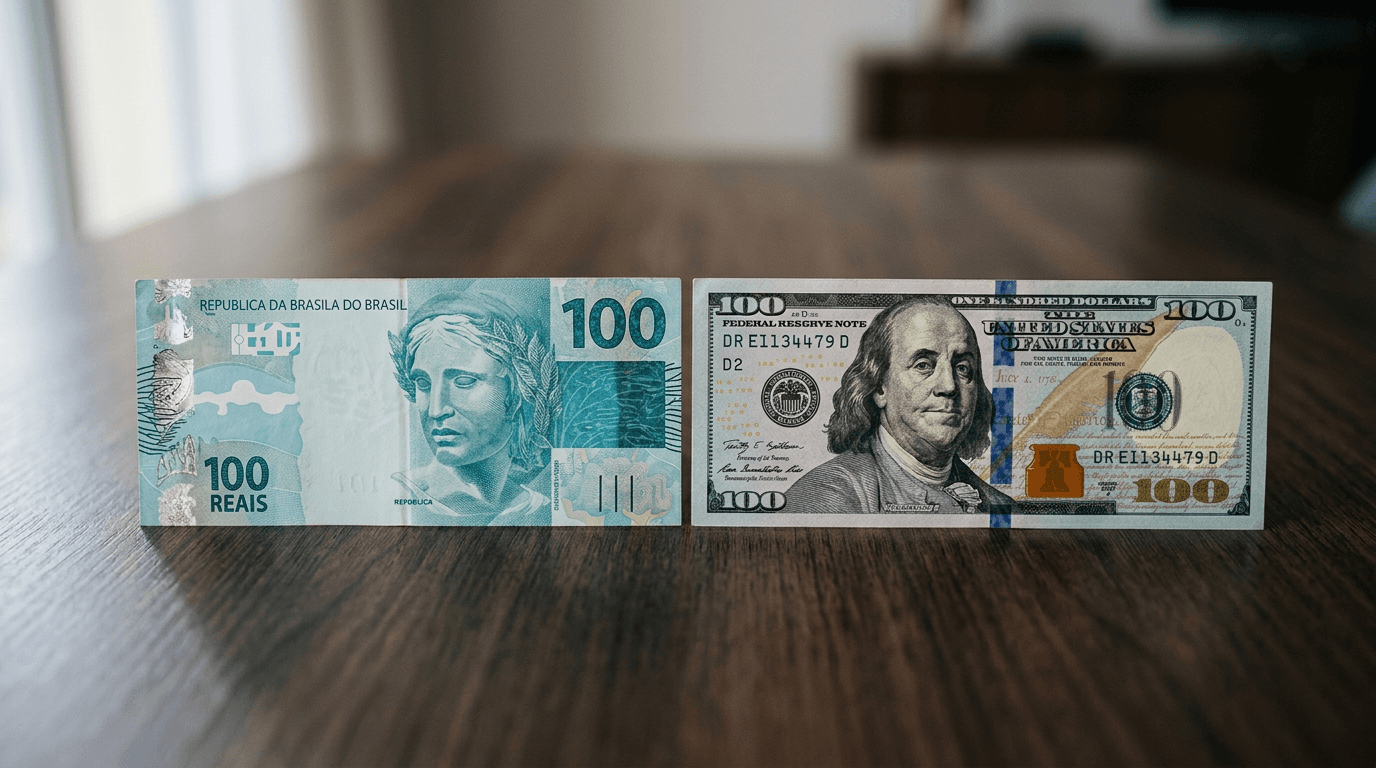
American retail investors holding international equities in their brokerage accounts are facing a quiet erosion of their returns, driven not by corporate earnings, but by foreign exchange rates. When the Federal Reserve adjusts interest rates, the ripple effects alter the global appeal of the U.S. dollar. However, when a major emerging market struggles to manage its own balance sheet, the resulting currency depreciation can quickly wipe out the local stock gains of companies listed on Wall Street.
Brazil is currently the source of this friction. According to Central Bank of Brazil data released in late October 2026, the country's gross public debt climbed to 82.9% of gross domestic product (GDP) in September 2026, marking a significant rise under the current administration. Concurrently, the country’s budget deficit has hovered near historic highs, intensifying demands from global and local investors for a concrete spending-cut package to stabilize the country's fiscal trajectory.
The deteriorating fiscal math has directly impacted the brazil real to usd exchange rate, causing the brazil real to weaken against the greenback. For an American investor, a weaker brazil real vs usd means that even if a Brazilian company performs well on the ground in São Paulo, its converted dollar value in a U.S. brokerage account shrinks. To defend the currency and combat the resulting import inflation, the Central Bank of Brazil paused its monetary easing cycle on November 4, 2026, holding its benchmark Selic interest rate at a restrictive 13.75% per annum.
The Search for a Fiscal Anchor
To calm nervous financial markets, the economic team of newly re-elected President Luiz Inácio Lula da Silva is negotiating a crucial fiscal adjustment package. Government officials are hammering out a spending-cut plan with lawmakers that, according to a government source on November 10, 2026, aims for a fiscal adjustment of 70 billion to 80 billion reais (approximately $12.5 billion to $14.3 billion) in 2027.
The proposed package features structural mechanisms designed to break the automatic link that channels one-off government revenues into constitutionally mandated minimum budgets for health and education. By decoupling these expenditures, the government hopes to gain more flexibility to freeze outlays if fiscal targets begin to slip.
Whether these measures will be robust enough to reverse the rise in the brazil real to dollar exchange rate remains an open question. Wall Street analysts warn that if the final legislative package is watered down in Congress, the brazil real vs dollar relationship will face continued downward pressure, forcing the central bank to keep domestic interest rates elevated for longer and further dampening local economic growth.
In your brokerage app
For U.S. retail investors, this currency volatility is most visible in large financial institutions like Itaú Unibanco, which is listed in New York. While the bank continues to post solid operational results, its dollar-denominated shares are highly sensitive to fluctuations in the brazil real to us dollar exchange rate. Investors can also track this broad exposure through diversified exchange-traded funds, such as the iShares MSCI Brazil ETF, which holds a heavy concentration of Brazil's top financial and commodity exporters.