

Why Your Emerging Market ETF is Dragged Down by the World's Highest Real Interest Rates
Brazil's central bank held rates at 13.75% as fiscal fears hit the Real, dragging down the MSCI Brazil ETF (EWZ) despite the world's highest real yields.
Key takeaways
- Banco Central do Brasil held its Selic benchmark rate at 13.75%, ending five consecutive cuts, per Copom minutes on November 10, 2026
- Brazil's real interest rate reached 9.49% after October annual inflation quickened to 4.63%, per IBGE on November 12, 2026
- The Brazilian Real weakened to R$ 5.6413 against the US dollar over post-election fiscal fears, per market reports on November 12, 2026
- The Federal Reserve maintained its federal funds rate target range at 3.75% to 4.00%, per the FOMC statement on October 28, 2026
American retail investors seeking yields abroad are discovering that even the world's most aggressive interest rates are failing to protect their portfolios from currency losses. Following the U.S. Federal Reserve's decision on October 28, 2026, to hold its benchmark federal funds rate at 3.75% to 4.00%, per the Federal Open Market Committee's statement, global capital is demanding a steep risk premium to remain in emerging economies. This shift is neutralizing the massive yields that typically attract foreign brokerage accounts to high-yielding international markets.
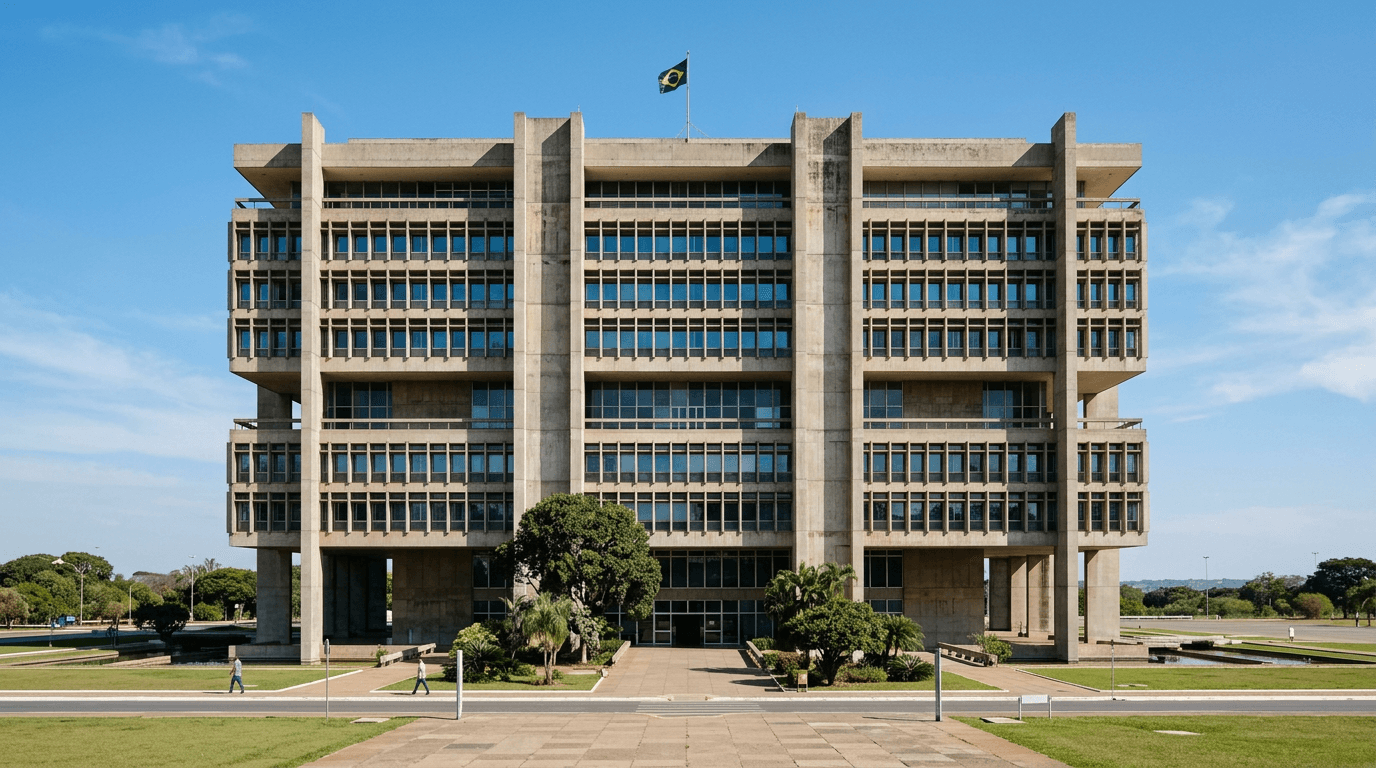
This dynamic is playing out acutely in Brazil, where the Central Bank of Brazil (BCB) released minutes of its 282nd monetary policy committee (Copom) meeting on November 10, 2026, confirming a unanimous decision to hold its benchmark Selic rate steady at 13.75%, per the Banco Central do Brasil. This move officially ended a cycle of five consecutive rate cuts, according to the committee's minutes on November 10, 2026, as policymakers grapple with a deteriorating domestic inflation outlook and rising fiscal worries under the re-elected administration of President Luiz Inácio Lula da Silva.
For global investors, the South American nation was expected to provide a substantial yield cushion. With the Selic rate frozen at 13.75% per the central bank's November 10, 2026, minutes, and annual inflation in October 2026 quickening to 4.63% from September's 4.58%, according to the national statistics agency IBGE on November 12, 2026, Brazil's real interest rate stands at approximately 9.49%. Yet, this massive inflation-adjusted return has not been enough to protect the local currency, which fell to R$ 5.6413 against the U.S. Dollar on November 12, 2026, due to post-election fiscal concerns, according to central bank and market reports.
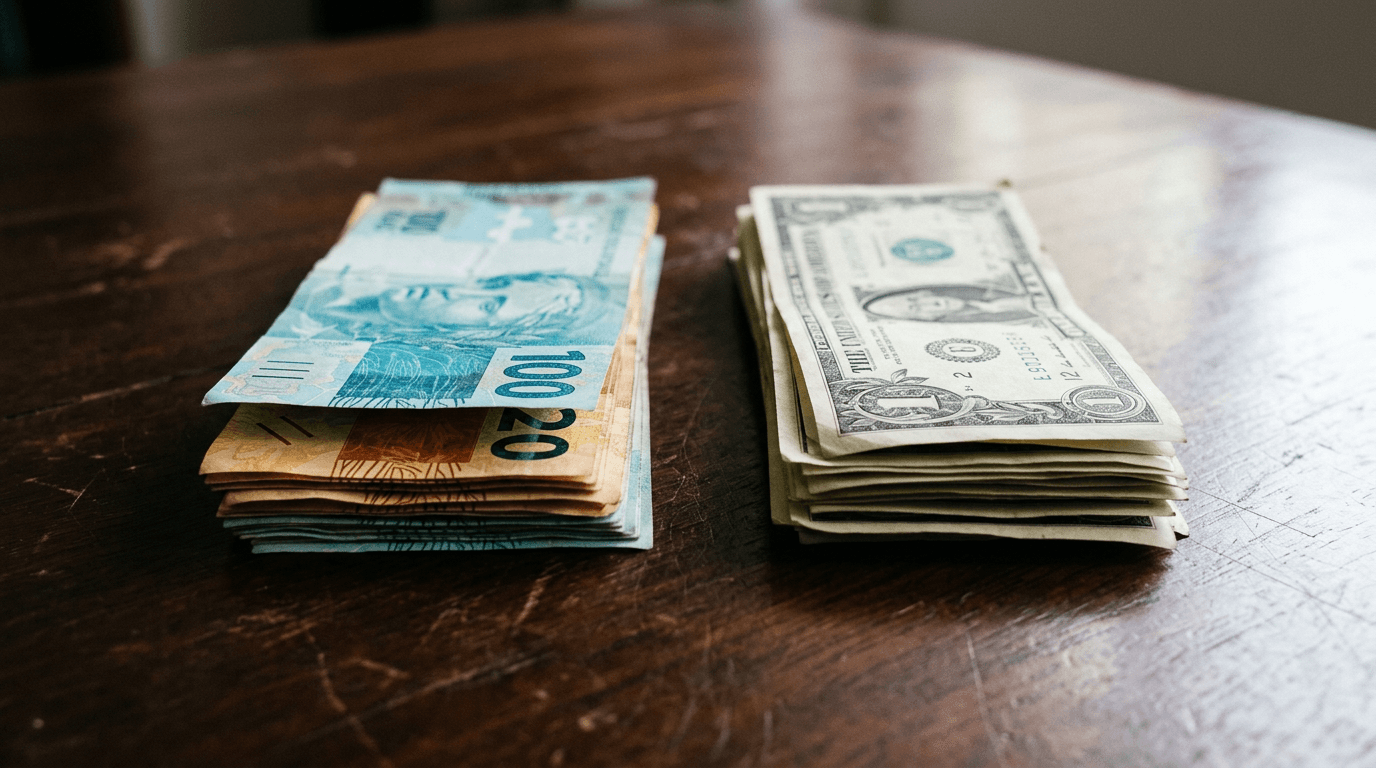
The mechanism is simple but painful for foreign portfolios. When an investor buys Brazilian assets, they must convert dollars to Reais, exposing them directly to currency fluctuations. If the local currency weakens faster than the interest rate accumulates, the entire trade loses value in dollar terms. Brazil's central bank policymakers highlighted in their November 10, 2026, minutes that the global environment remains highly adverse, citing ongoing geopolitical conflicts and restrictive monetary policies in advanced economies. Domestically, the unanchoring of inflation expectations has forced the central bank to maintain a substantially contractionary stance, signaling that rates will remain high for an extended period to bring inflation back toward its target.
On November 16, 2026, the real remained under pressure, with the U.S. Dollar trading at R$ 5.7205 (up 0.95%), the Euro at R$ 6.2975 (up 0.65%), and the British Pound at R$ 7.548 (up 0.62%), according to currency market data. Investors are now closely watching the central bank's next policy decision scheduled for December 9, 2026, according to the Banco Central do Brasil's calendar, which will determine whether the Real can stabilize or if currency depreciation will continue to erode the benefits of the world's most lucrative interest rates.
In your brokerage app
For retail investors holding the iShares MSCI Brazil ETF, listed in New York, this currency drag is the primary reason the fund remains under pressure. Even though the Brazilian companies held within the fund may benefit from strong domestic operations, their returns are translated back into U.S. Dollars for exchange trading. When the Real depreciates, it directly devalues the net asset value of this fund in your brokerage account, proving that high interest rates are a double-edged sword if they fail to defend the local currency.
Related coverage
 Rate Spread Steady at 9.75 Points as Fed and Brazil Maintain TargetsA 9.75 percentage point rate spread remains between the Fed's 4.0% upper target and Brazil's 13.75% Selic rate, shaping options for currency investors.
 US Dollar Surges to R$ 5.77 on Fiscal and Labor WarningsThe US dollar hit R$ 5.778 on November 16, 2026, as Brazil's central bank warned of labor and fiscal risks, driving a massive R$ 13.5 billion foreign outflow.