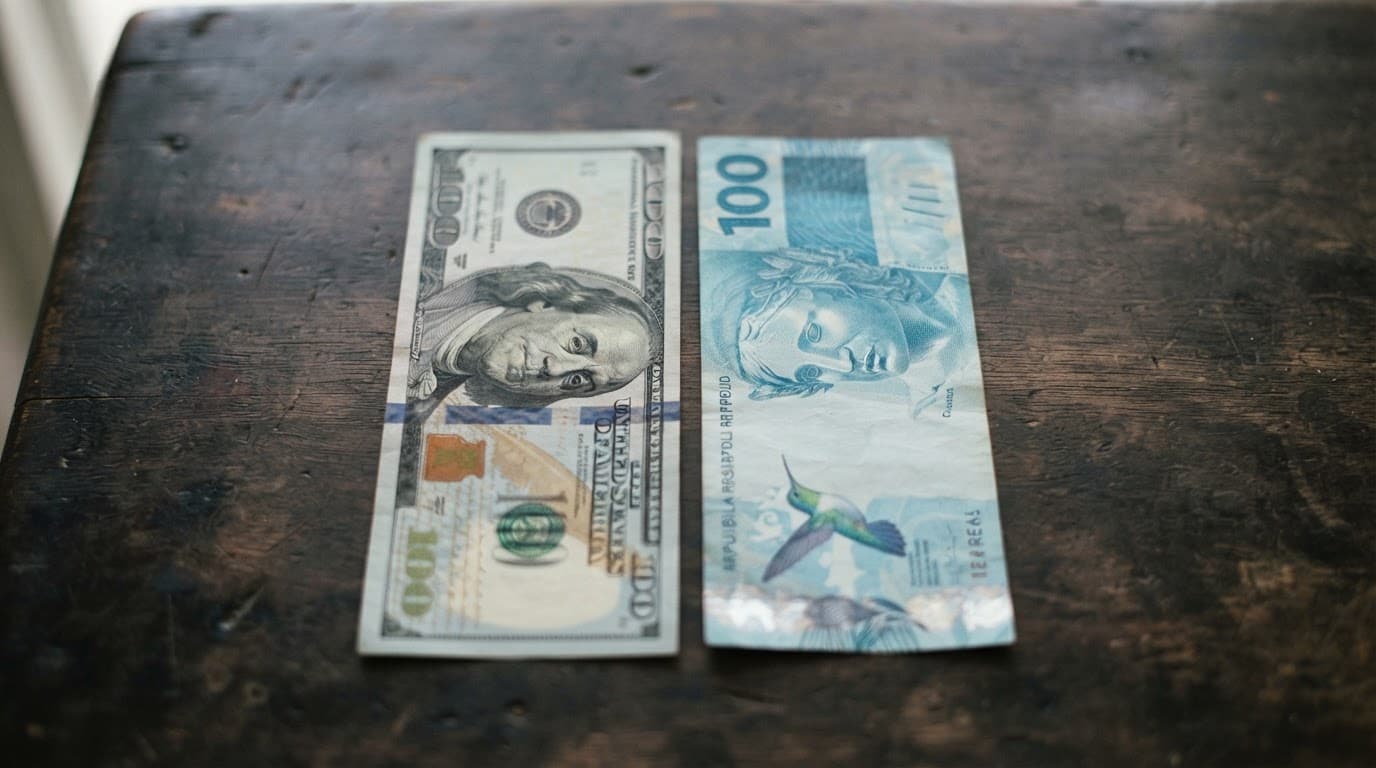
Interest Rate Gap Between US and Brazil Holds Stable at 9.75 Points
The yield spread between the US Federal Reserve's rate and Brazil's Selic remains unchanged at 9.75 percentage points as of November 23, 2026.

Key takeaways
- The US Fed upper target holds at 4.00% per FRED database on November 23, 2026
- Brazil's Selic rate remains at 13.75% per Banco Central do Brasil on November 23, 2026
- The monetary policy gap between the two countries stays stable at 9.75 percentage points
- Investors watch the yield spread for carry trade opportunities using the iShares MSCI Brazil ETF (EWZ)
The monetary policy gap between the United States and Brazil remains unchanged at 9.75 percentage points on November 23, 2026, with the Federal Reserve's upper target holding at 4.00% and Brazil's benchmark Selic rate at 13.75%. These rates are documented respectively by the Federal Reserve Bank of St. Louis's FRED database (series DFEDTARU) and the Banco Central do Brasil SGS series 432 data. This significant yield spread continues to act as a primary driver for currency flows and cross-border investments between the two economies.
By holding the Selic rate steady at 13.75%, Brazil's central bank maintains a high-yield environment as a direct response by its monetary policy committee, Copom, to keep domestic inflation in check and stabilize the currency. The 9.75 percentage point yield gap matches the exact spread recorded 30 days ago, signaling a period of policy stability. This wide spread continues to draw interest from foreign market participants seeking to understand macro dynamics in Latin America's largest market.
This yield gap serves as the core engine behind the currency's performance and is highly watched by those tracking the exchange of the brazil real to us dollar. When the interest rate gap is this wide, it incentivizes the classic "carry trade," where investors borrow dollars at lower U.S. rates to buy Brazilian government bonds that pay double-digit yields. However, this strategy remains highly sensitive to exchange-rate volatility, as even a minor depreciation of the brazil real vs dollar can quickly erase the interest rate gains of foreign investors.
The decision by Brazilian policymakers to hold the benchmark Selic at 13.75% highlights ongoing domestic challenges, particularly around local fiscal policies. Brazil's inflation remains a concern, with 12-month IPCA consumer price indicators rising and putting pressure on public spending. To confidently invest in Brazil, foreign market participants must balance the high yield against the country's fiscal policy path, as further rate adjustments will depend on concrete fiscal measures from the federal government to stabilize long-term yields.
In your brokerage app
For retail investors holding diversified international funds, these interest rate dynamics directly impact the main Brazil ETF, the iShares MSCI Brazil ETF (EWZ), which tracks the largest companies listed on the Brazilian stock exchange. When brazil interest rates Selic remain elevated, domestic equity valuations face pressure from higher borrowing costs, but the underlying fixed-income yield continues to attract foreign capital. Monitoring the spread between the Fed and Brazil's central bank provides a vital signal for the long-term performance of these assets.