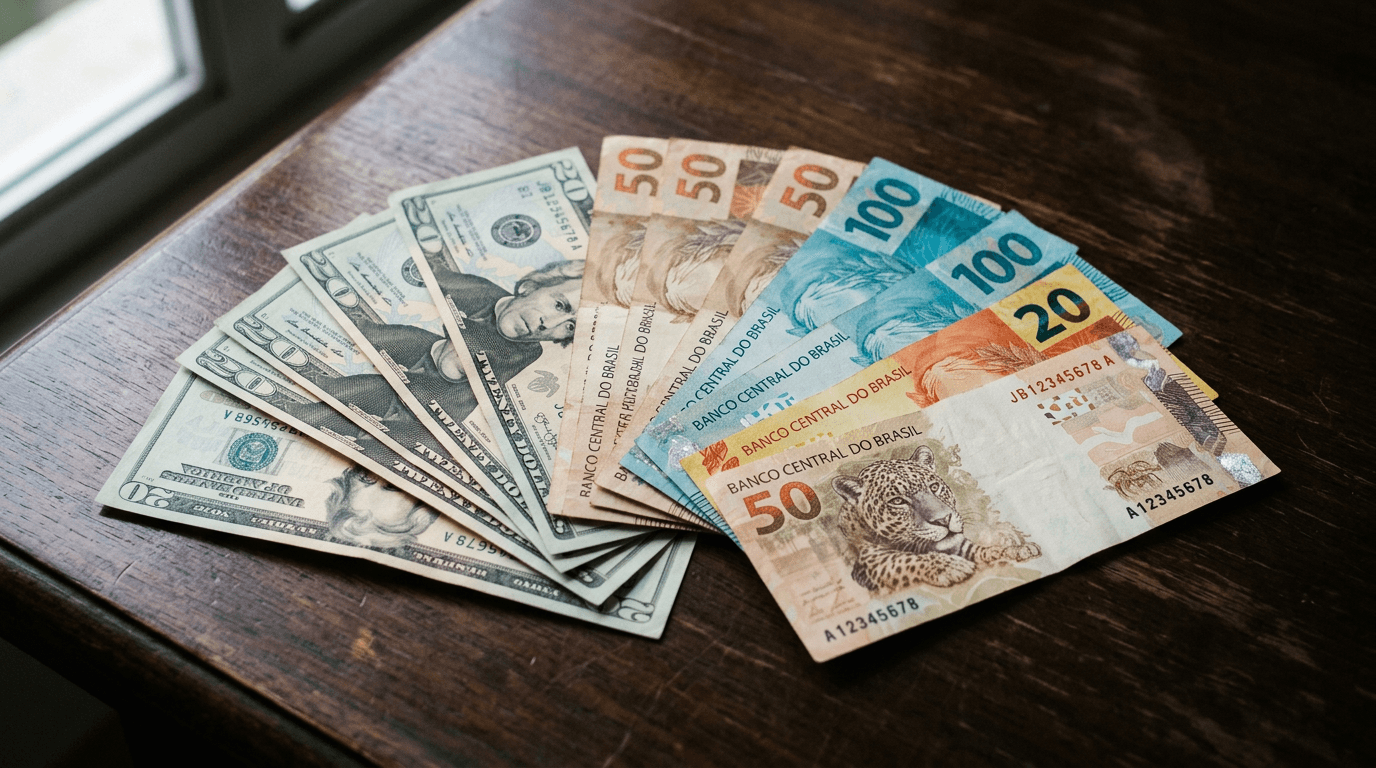
Fed rate of 4% vs Brazil's 13.75% leaves a massive 9.75-point gap
Brazil's central bank held its benchmark rate at 13.75% as the government proposes a multi-billion dollar fiscal package to stabilize the real.
If you hold idle cash in a standard US brokerage account, your money is likely sweeping into a money market fund yielding around 4.0%. That rate, anchored by the Federal Reserve’s upper target of 4.0% as of November 11, 2026, has drifted lower over the past year. For an American retail investor, a 4.0% return on risk-free US Treasuries is comfortable, but it sits in stark contrast to the massive yields offered just a short flight south.
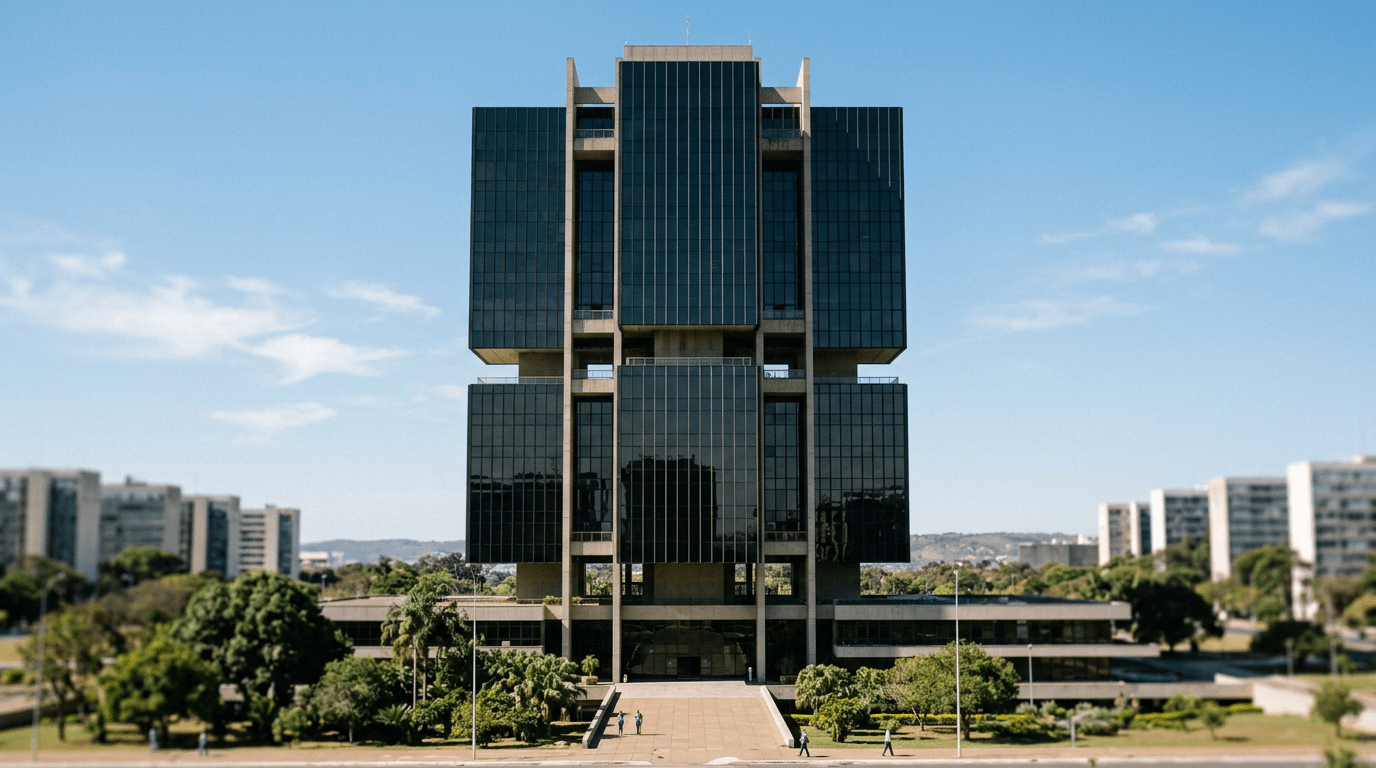
In Brazil, the central bank is paying a benchmark interest rate of 13.75%. Known locally as the Selic target, this rate is set by the Banco Central do Brasil (BCB) and tracked under its official time-series code SGS 432. This leaves an enormous interest rate gap of exactly 9.75 percentage points between the US and Brazil—a spread that has remained completely unchanged over the past 30 days.
Why the massive rate gap matters to you
This 9.75-point spread represents the premium global investors earn, or pay, for holding Brazilian assets instead of ultra-safe US Treasuries. In the world of foreign exchange, this gap is the primary engine behind the "carry trade," where institutional investors borrow in low-yield currencies like the dollar to buy high-yield assets denominated in the Brazilian real. When the gap is wide, it typically supports the currency; when it narrows, capital tends to flow back to the safety of New York.
However, the reason this massive gap is not triggering a major rally in Brazilian assets lies in the volatile relationship of the brazil real vs usd. On November 4, 2026, the BCB’s monetary policy committee, known as the Copom, voted unanimously to halt its rate-cutting cycle and hold the Selic at 13.75%. The central bank cited "significant uncertainties" following the October 2026 presidential election, which saw the re-election of leftist President Luiz Inácio Lula da Silva.
Political risk and currency headwinds
Local markets reacted with concern over Lula’s upcoming fiscal plans, putting pressure on the brazil real to usd exchange rate. When political risk rises, the currency depreciates. If the Brazilian real falls against the dollar by more than the 9.75% interest rate advantage, an American investor holding Brazilian debt actually loses money in dollar terms.
To calm nervous financial markets, the economic team of President Lula is currently negotiating a crucial fiscal adjustment package. Planning Minister Bruno Moretti announced on November 11, 2026, that the government is proposing new mechanisms to allow deeper spending curbs, aiming to improve public finances by up to 60 billion reais (approximately $10.8 billion) in 2027. Whether this package succeeds in stabilizing the currency remains the key variable for foreign portfolios.
In your brokerage app
The iShares MSCI Brazil ETF, listed in New York, provides exposure to a basket of the largest Brazilian equities. These equities are highly sensitive to both the local Selic rate and the swings of the Brazilian real against the US dollar.