
How a 9.75% Yield Gap Anchors the Brazil Real to USD
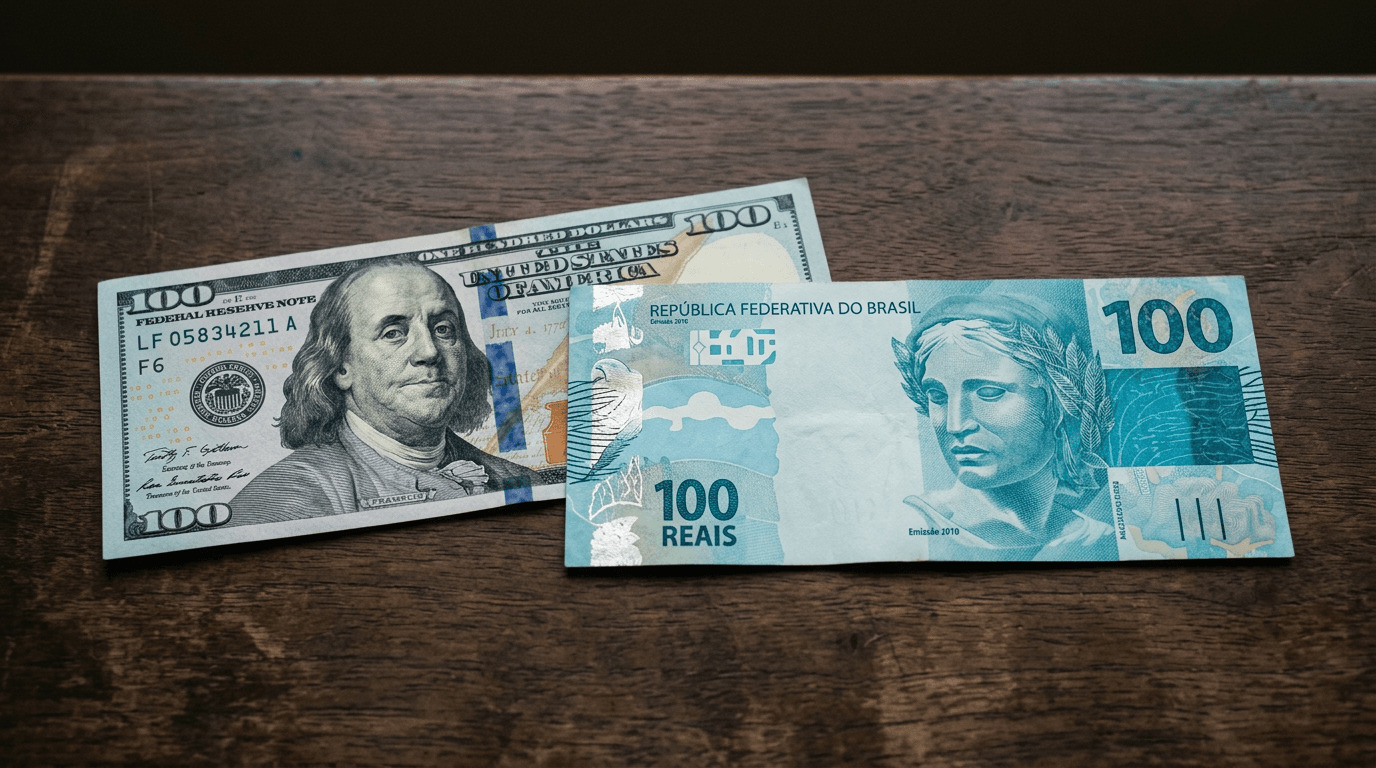
A 9.75% interest rate differential between Brazil's 13.75% Selic rate and the U.S. Fed funds target of 4.00% supports the Brazilian currency.
Key takeaways
- Banco Central do Brasil held its Selic target rate at 13.75%, per SGS series 432 on November 4, 2026
- The Federal Reserve kept its target rate upper limit at 4.00%, per FRED series DFEDTARU on November 15, 2026
- The 12-month IPCA inflation rate reached 4.62% in late October 2026, per Agência Brasil on November 5, 2026
The 9.75 percentage point interest rate gap between Brazil and the United States continues to support the Brazilian currency, with the Central Bank of Brazil maintaining its benchmark Selic rate at 13.75% as of November 16, 2026, according to the official Time Series Management System SGS series 432. Meanwhile, the Federal Reserve has kept its federal funds target range upper limit at 4.00% as of November 15, 2026, per Federal Reserve Economic Data FRED. This wide yield differential acts as a crucial anchor for the brazil real to usd exchange rate by driving emerging market carry trades.
Under its continuous inflation-targeting framework, Brazil's Monetary Policy Committee (Copom) held the Selic rate steady at 13.75% per year during its November 4, 2026 meeting. This decision paused the country's previous monetary easing cycle in response to rising fiscal pressures and worsening domestic price expectations. The Federal Reserve also paused its rate path, keeping the policy spread completely unchanged over the past 30 days.
The Mechanics of the Carry Trade
This differential serves as the primary engine for the global carry trade, where international investors borrow capital in lower-yielding currencies like the U.S. dollar to invest in high-yielding currencies. At an exchange rate of 5.6512 Brazilian reals per U.S. dollar on November 16, 2026, foreign capital entering Brazil must balance currency volatility against these double-digit nominal rates. This yield gap provides foreign investors with a significant cushion against potential currency depreciation.
Despite the high nominal returns, the steep Selic rate remains necessary to combat persistent inflationary pressures. The Broad National Consumer Price Index (IPCA) recorded a 12-month inflation rate of 4.62% in late October 2026, hovering just above the central bank’s upper tolerance limit of 4.50%, according to reporting by Agência Brasil on November 5, 2026. Central bank president Gabriel Galípolo and other Copom members have emphasized that monetary policy must remain contractionary to anchor inflation expectations for the foreseeable future.
In your brokerage app
For retail investors holding diversified international funds, these interest rate dynamics are directly reflected in foreign exchange and equity portfolios. The main Brazil ETF, the iShares MSCI Brazil ETF (EWZ), is heavily sensitive to both the central bank's policy rate and the underlying strength of the Brazilian currency. While a stable, high interest rate supports the currency's carry-trade appeal, it also raises borrowing costs for local companies held within the fund, creating a delicate balancing act for investors seeking emerging market exposure.
Latest articles
 How Shifting Policies in Brazil Today Match the Needs of US InvestorsBrazil passes a major $10 billion fiscal package, tightens rules on strategic rare earth mining, and cracks down on systemic judicial debt fraud.
 How Brazil Politics 2026 Reshapes Chip Chains with Philippine PivotBrazil pitches its massive rare earth reserves to the Philippines for chip assembly, bypassing U.S. trade routes under strict domestic processing rules.
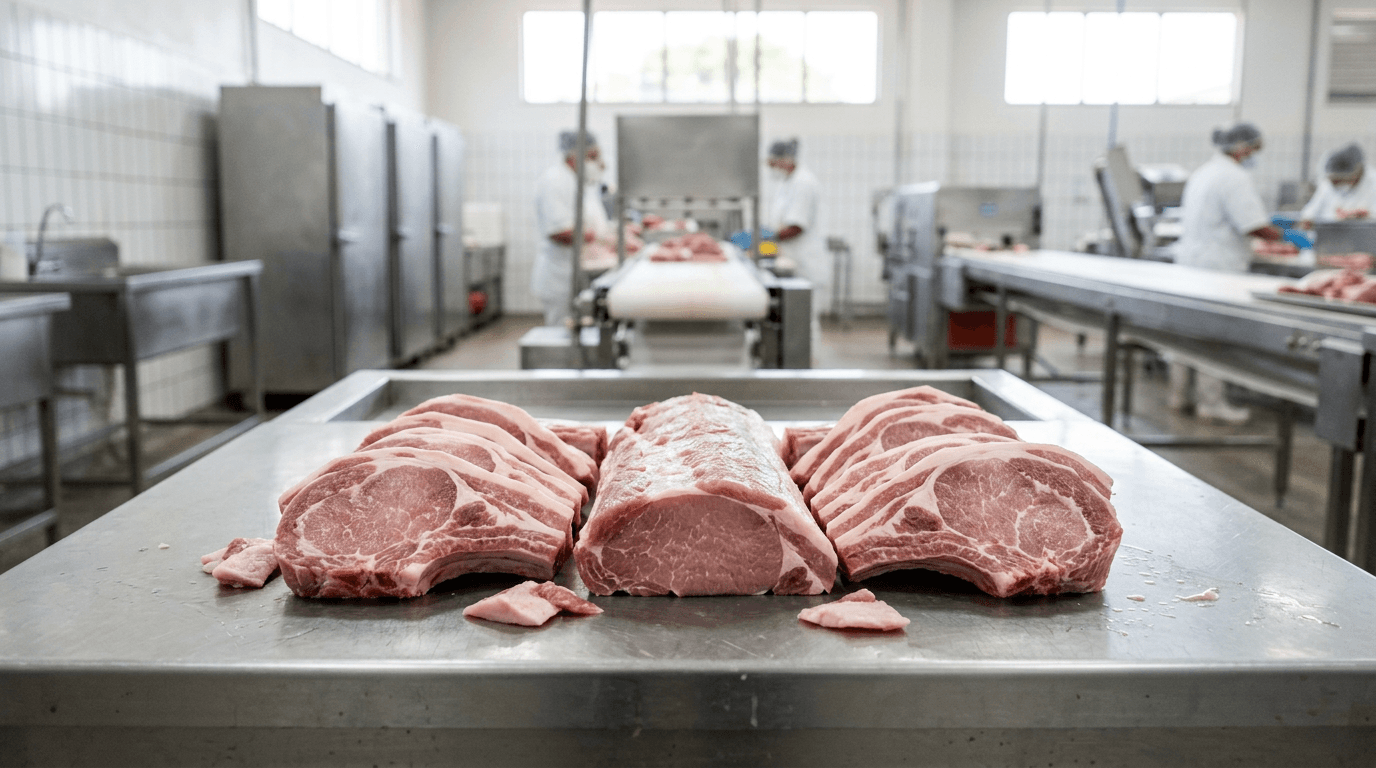 Beyond Brazilian meat at The Grove, JBS and BRF face pork import banThe Philippines implemented a 60-day safeguard ban on pork imports from Brazil starting November 24, squeezing margins for US-listed giants JBS and BRF.