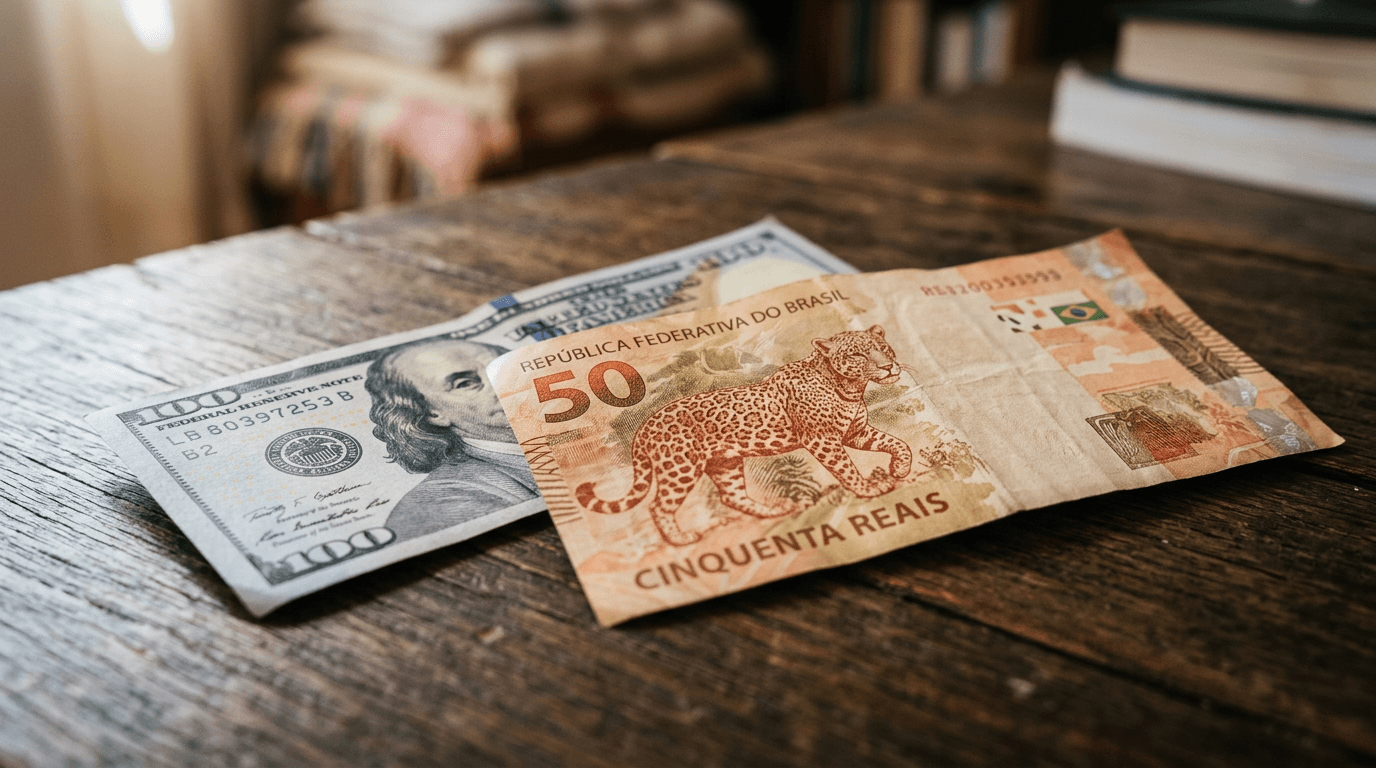
How the Fed and Brazil's 9.75% rate gap moves your money
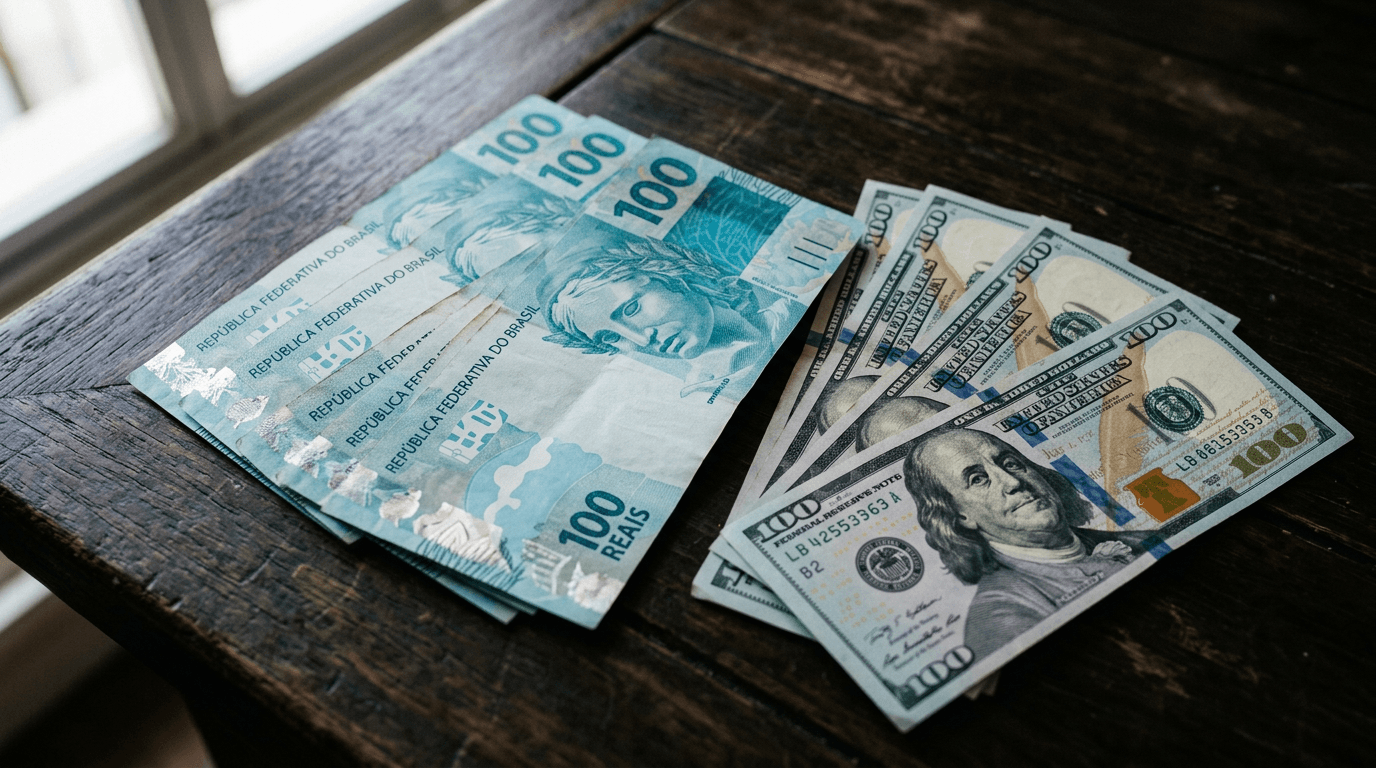
The massive yield difference between US Treasuries and Brazil's Selic rate shapes the value of the real and major US-listed emerging market funds.


The massive yield difference between US Treasuries and Brazil's Selic rate shapes the value of the real and major US-listed emerging market funds.
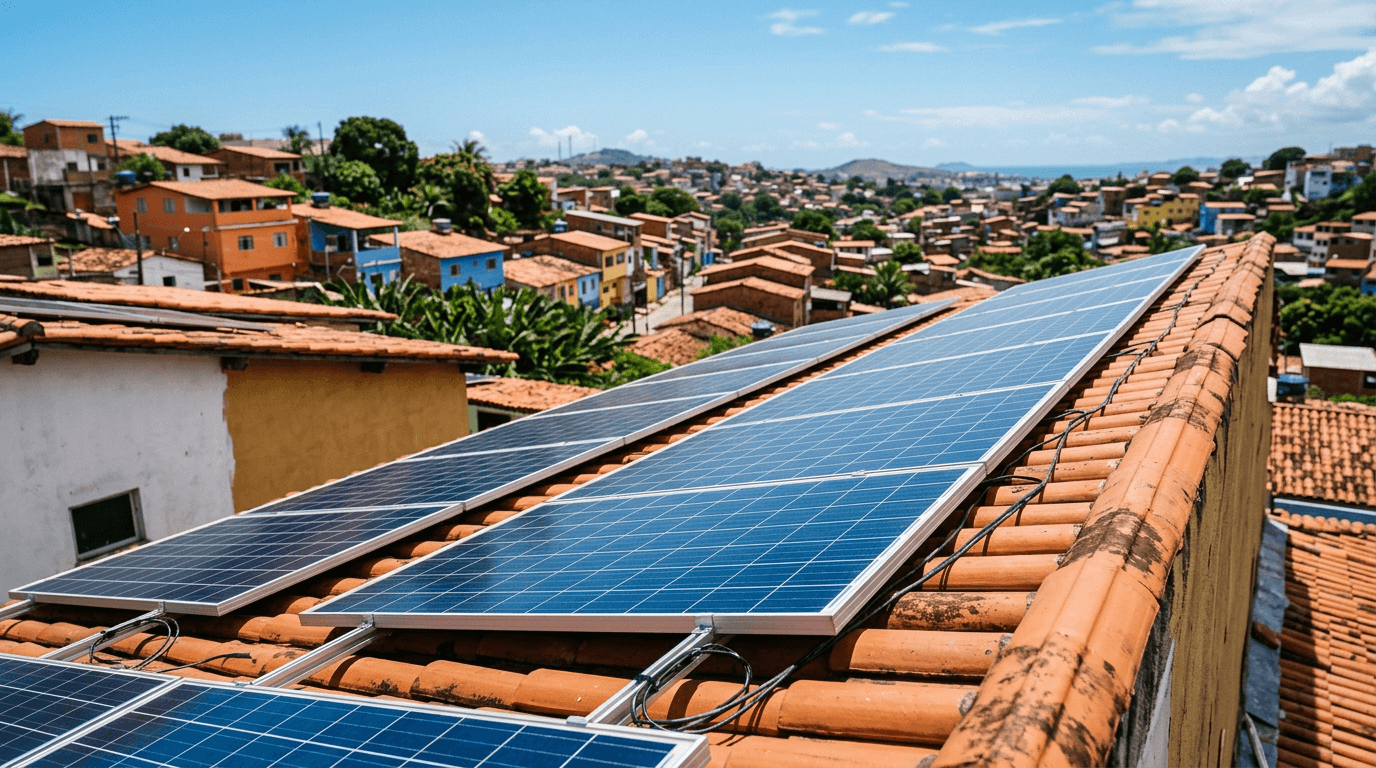
Sol Agora, a solar credit fintech controlled by Brookfield, has raised R$ 600 million to finance 30,000 new residential solar installations in Brazil.
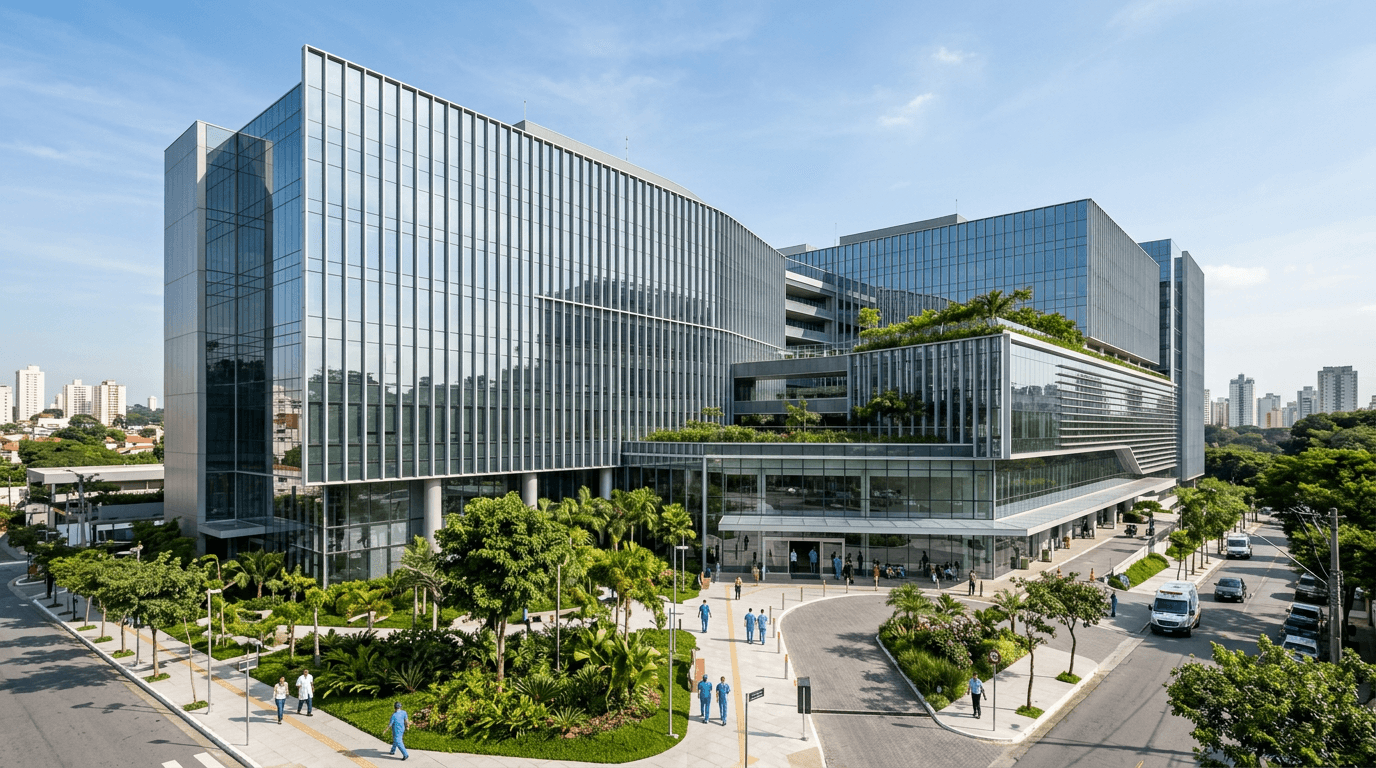
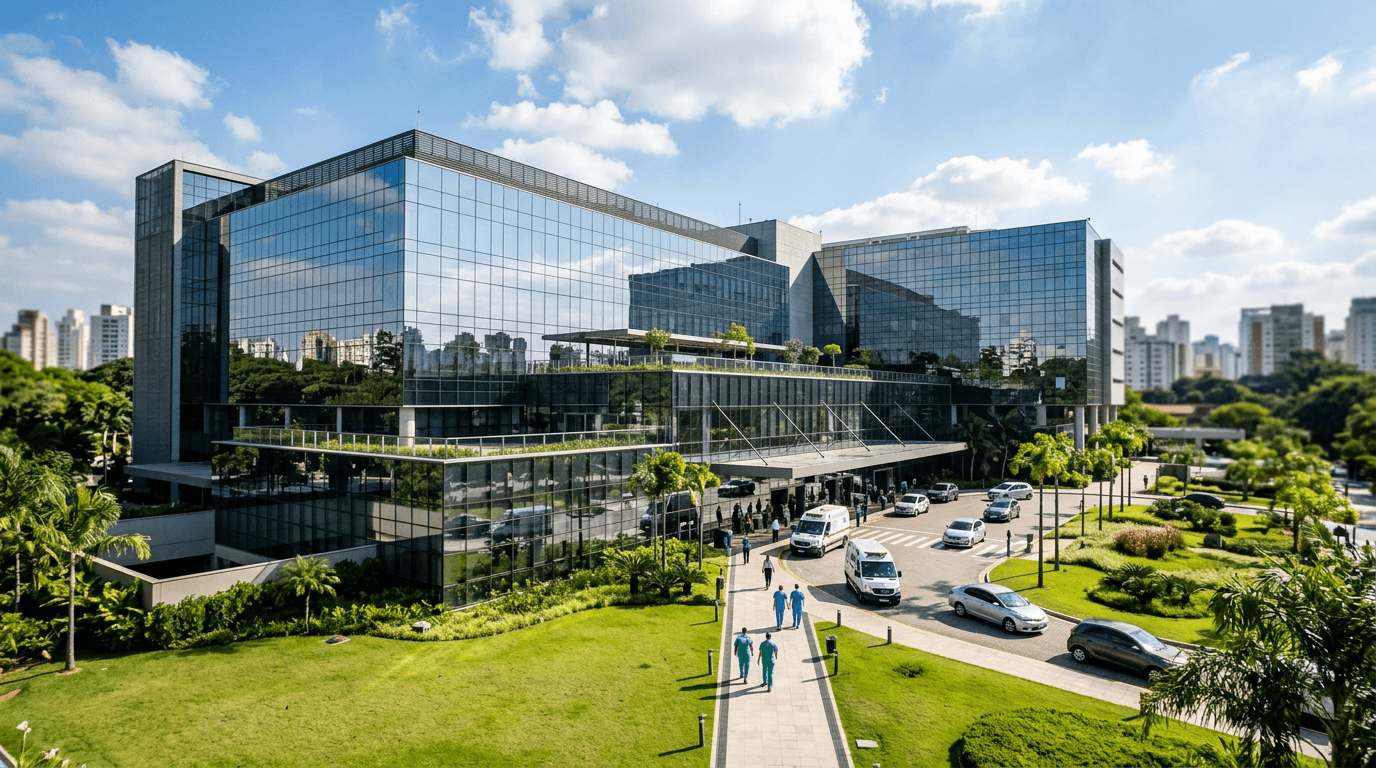
Ânima Educação shares tumbled as investors weighed the high costs and debt leverage of its new 20-year partnership with Hospital Albert Einstein.
Brazilian delivery giant iFood has agreed to acquire corporate benefits startup Caju, challenging traditional financial incumbents in a state-regulated market.
BlackRock's clients now hold about 10.075% of B3's common shares, up from 9.959% in August, according to a filing published by the Brazilian exchange operator on October 7. The asset manager says the stake is strictly for investment.
Brazil-based digital bank Inter&Co is taking full control of its insurance brokerage, buying out Wiz Co's minority stake for R$ 409.5 million.
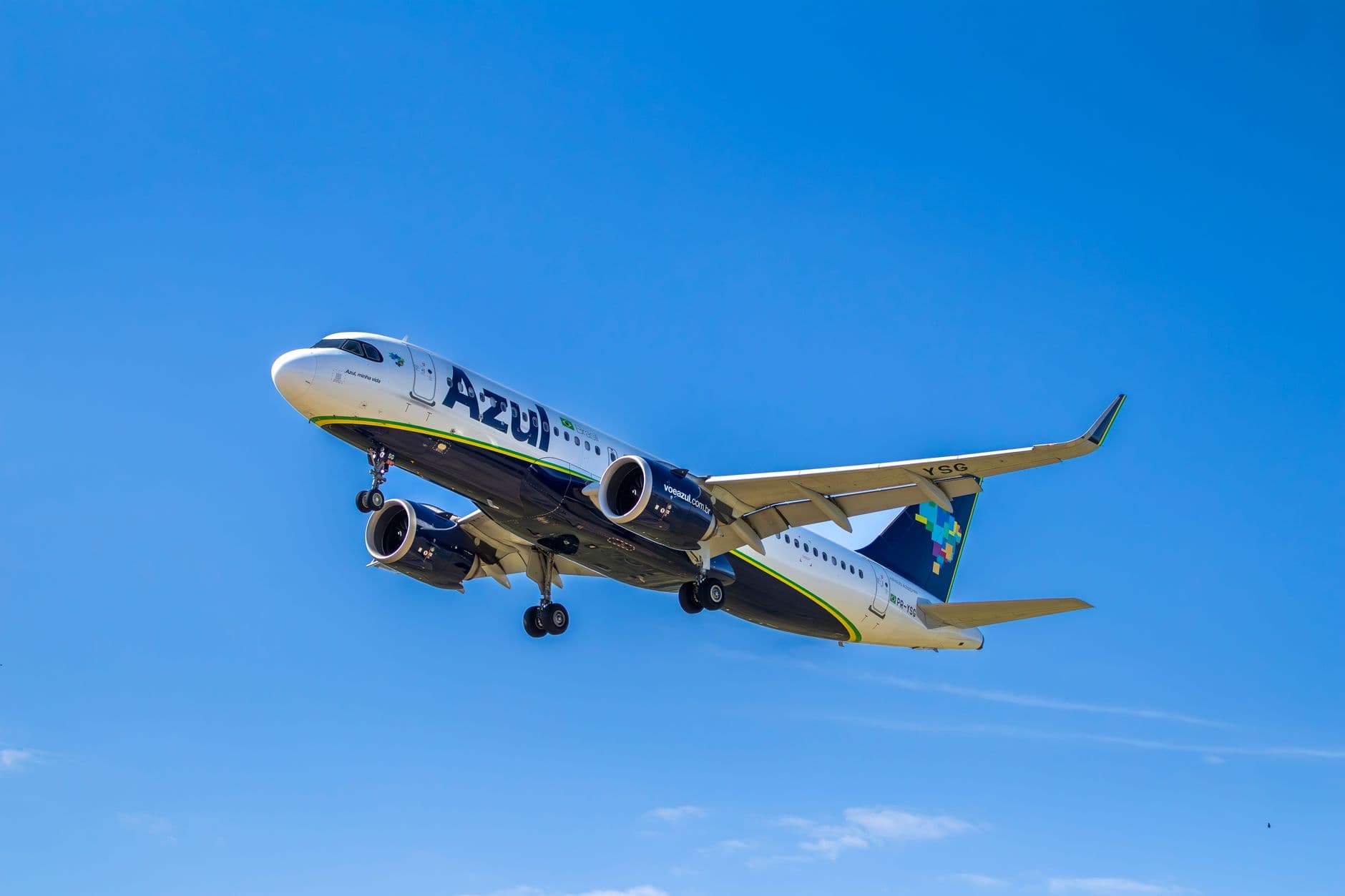
Azul CFO Antonio Carlos Garcia warns that high jet fuel costs will delay the airline's post-bankruptcy recovery timeline by at least a year.
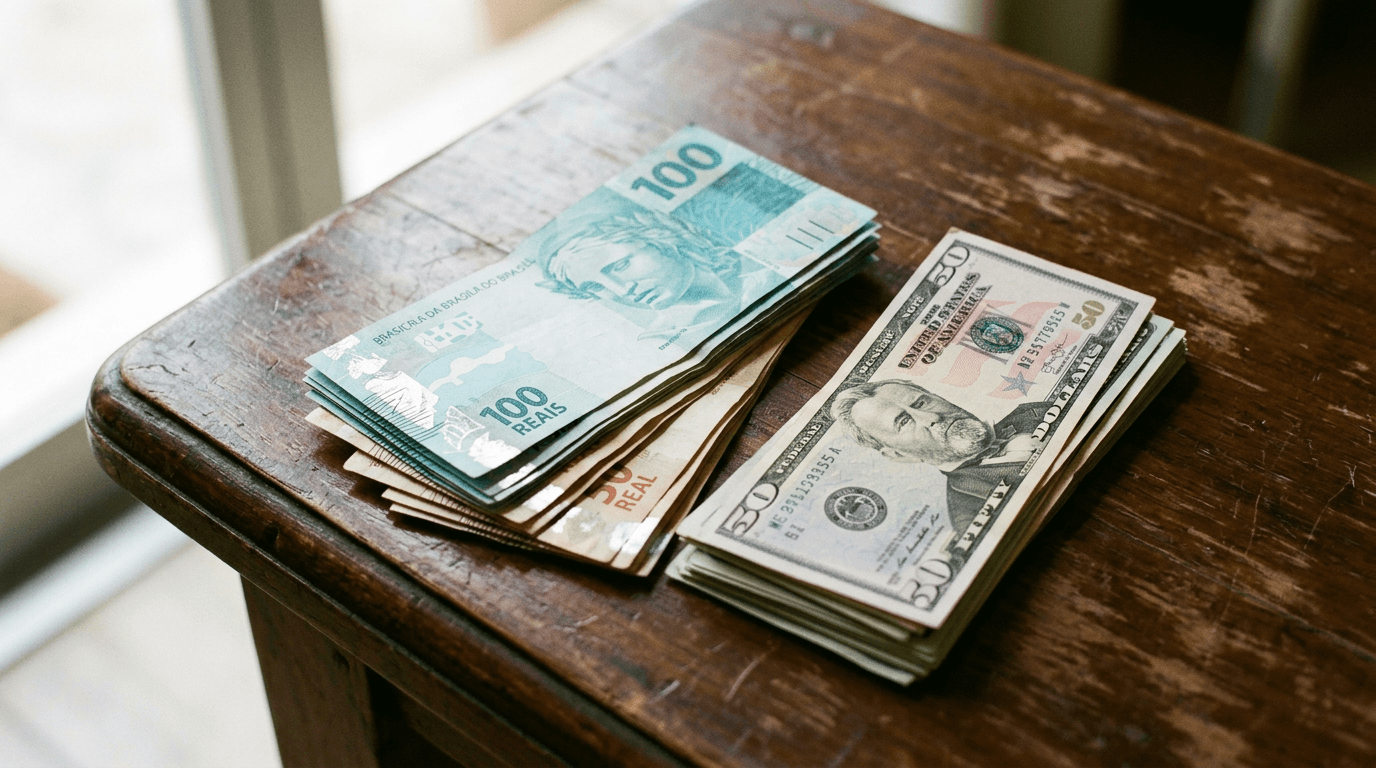
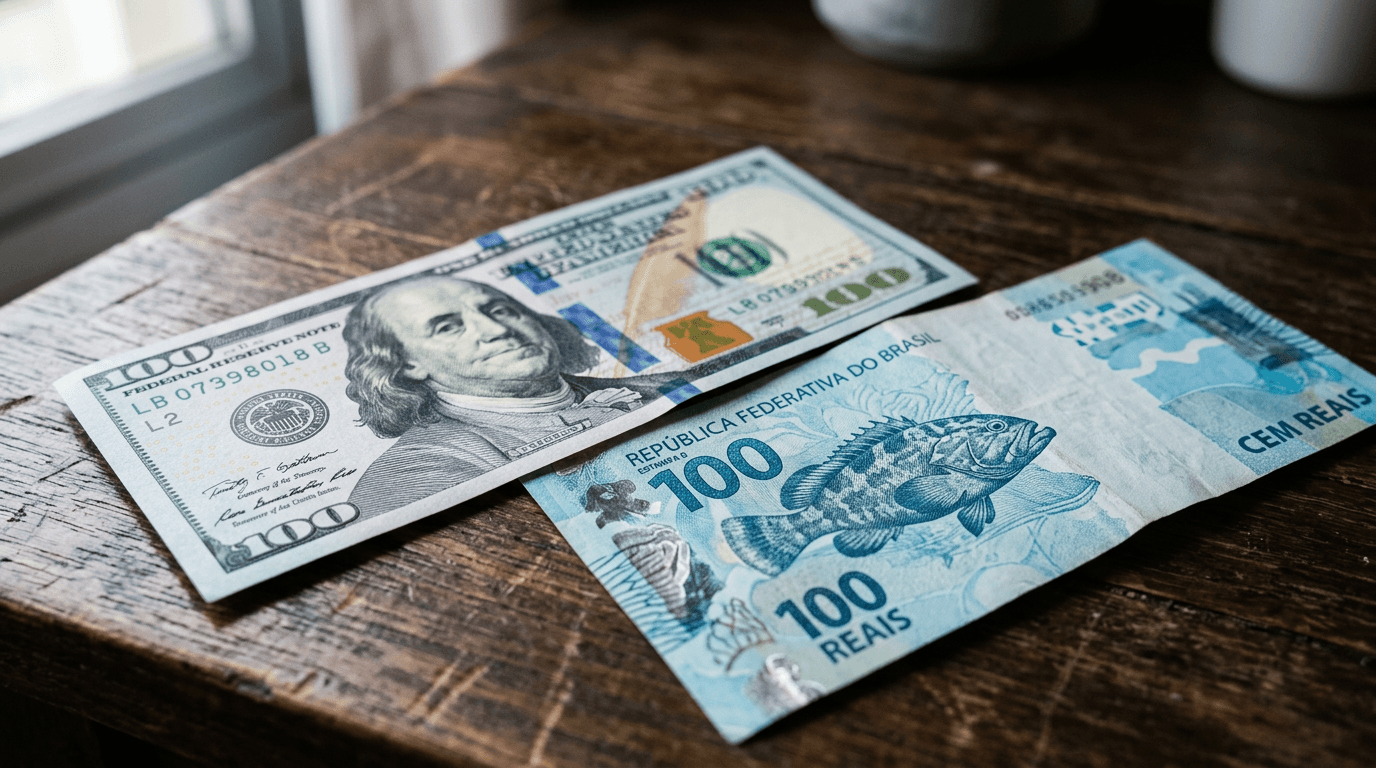
The yield gap between the Federal Reserve and Brazil's central bank remains at a wide 9.75 percentage points, driving currency flows and affecting US-listed funds.
Brazil's central bank cut its Selic rate to 13.75%, but massive double-digit yields keep the real resilient against the U.S. dollar.
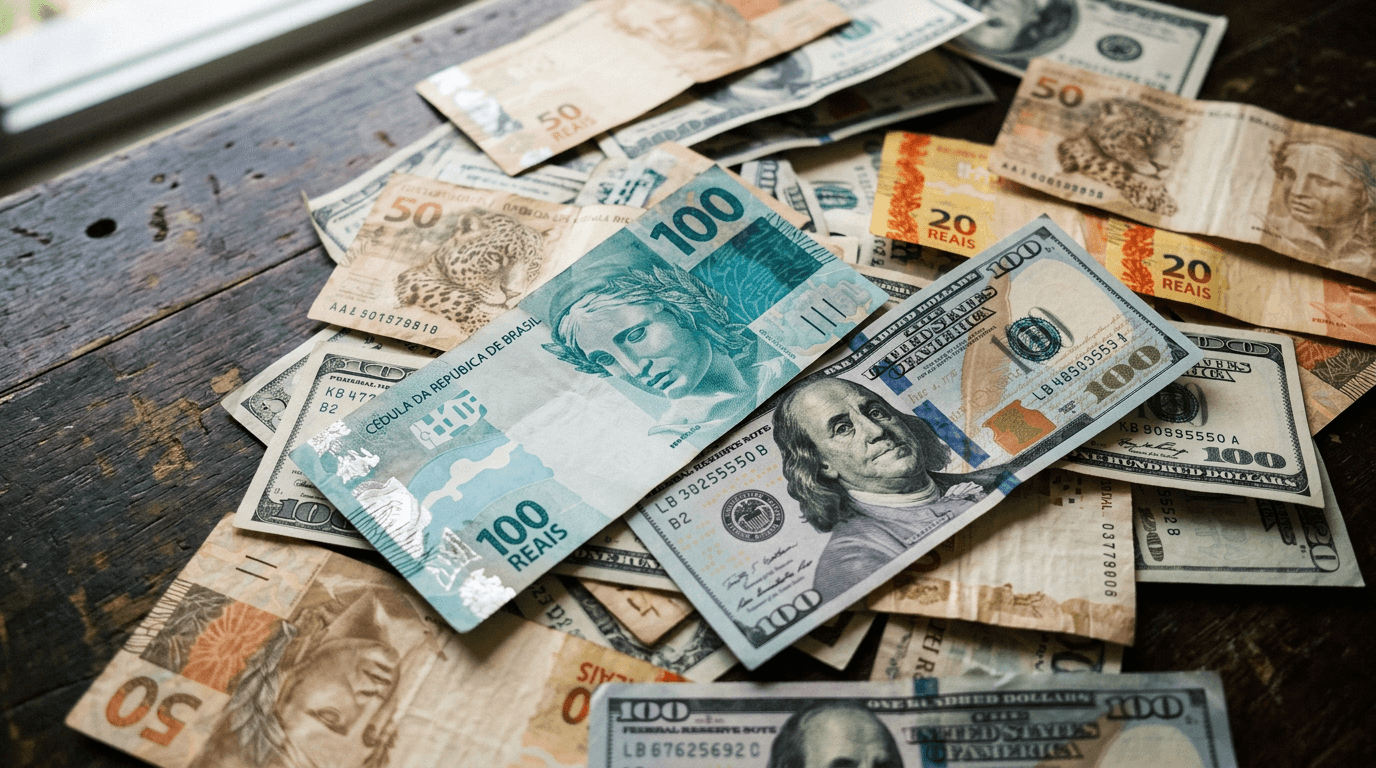
The Brazilian real fell to 5.05 per dollar on October 20, 2026, as a tight presidential runoff and new fiscal spending plans fueled market anxiety.
Vale S.A. has applied to register a RMB 10 billion debt program in China, bypassing traditional Western capital markets to tap cheap, yuan-denominated funding.
Brazil’s electoral court has ordered Meta and X to block paid ads for right-wing figures, adding regulatory friction for tech giants ahead of the October 25 runoff.
Brazil's Ânima Educação has signed a 20-year partnership with the prestigious Albert Einstein Hospital to elevate its medical subsidiary, Inspirali.
Barron's argues that AB InBev's technological push into non-alcoholic beer could spark a major turnaround, directly impacting its Latin American subsidiary Ambev.
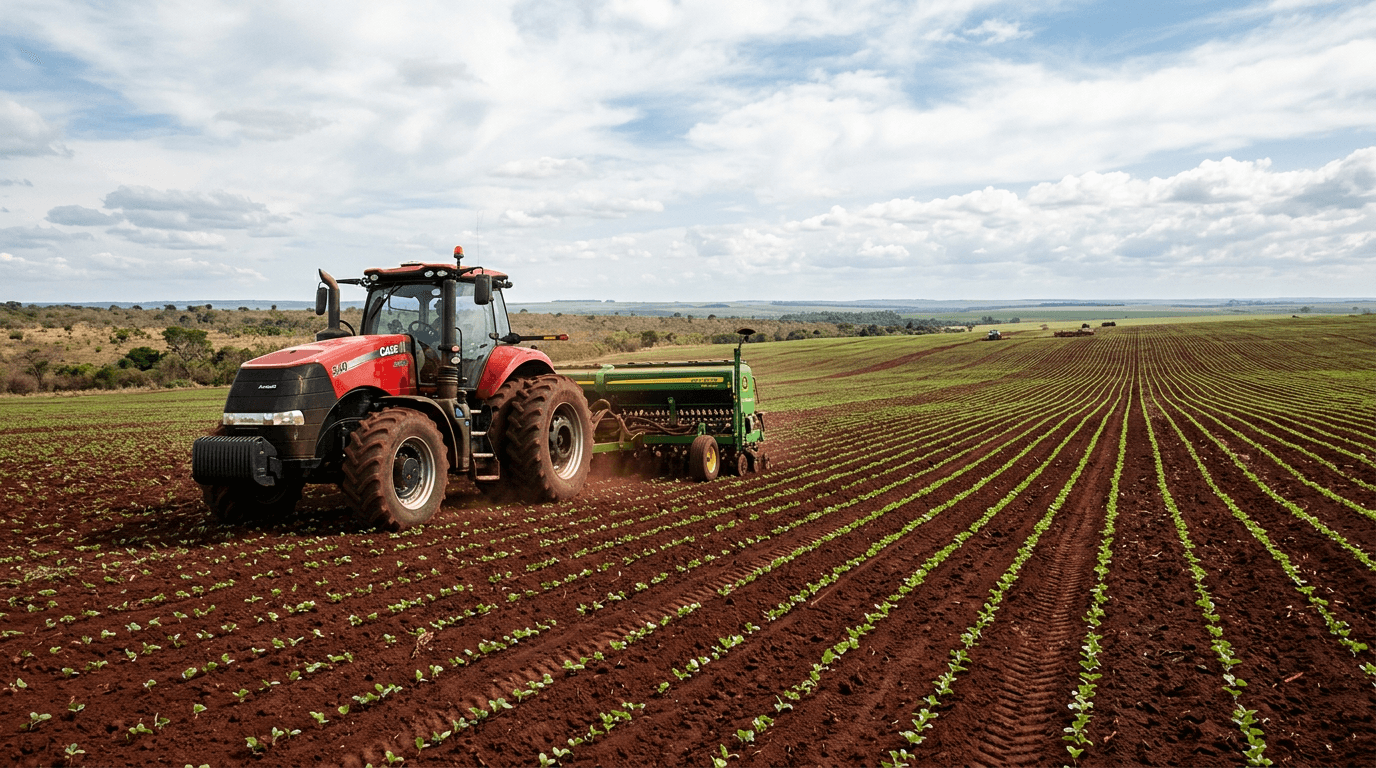
Large institutional speculators trimmed their net-long positions in CBOT soybeans as of October 13, 2026, amid record-setting crop forecasts in Brazil.
The yield spread between the Federal Reserve and Brazil's central bank remains at 9.75 percentage points, driving carry trade potential and currency swings.
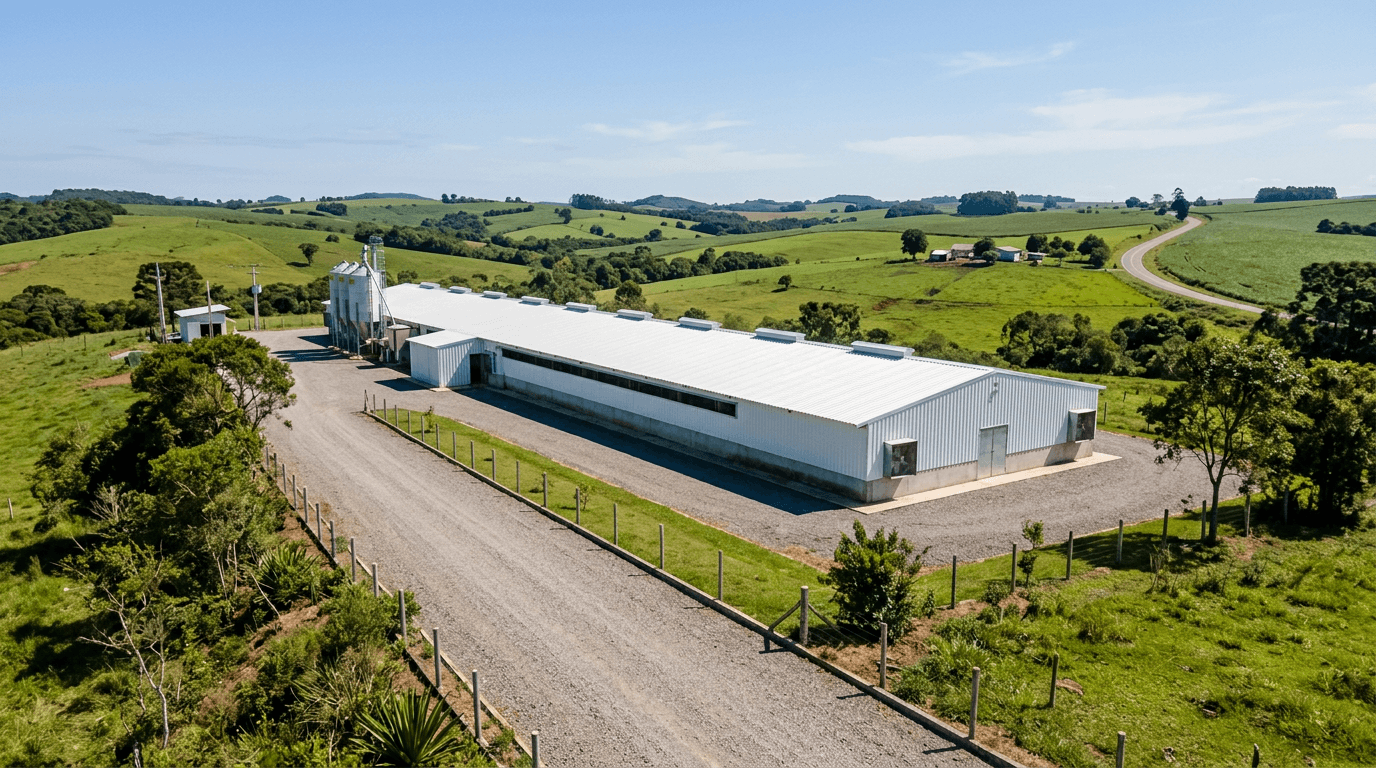
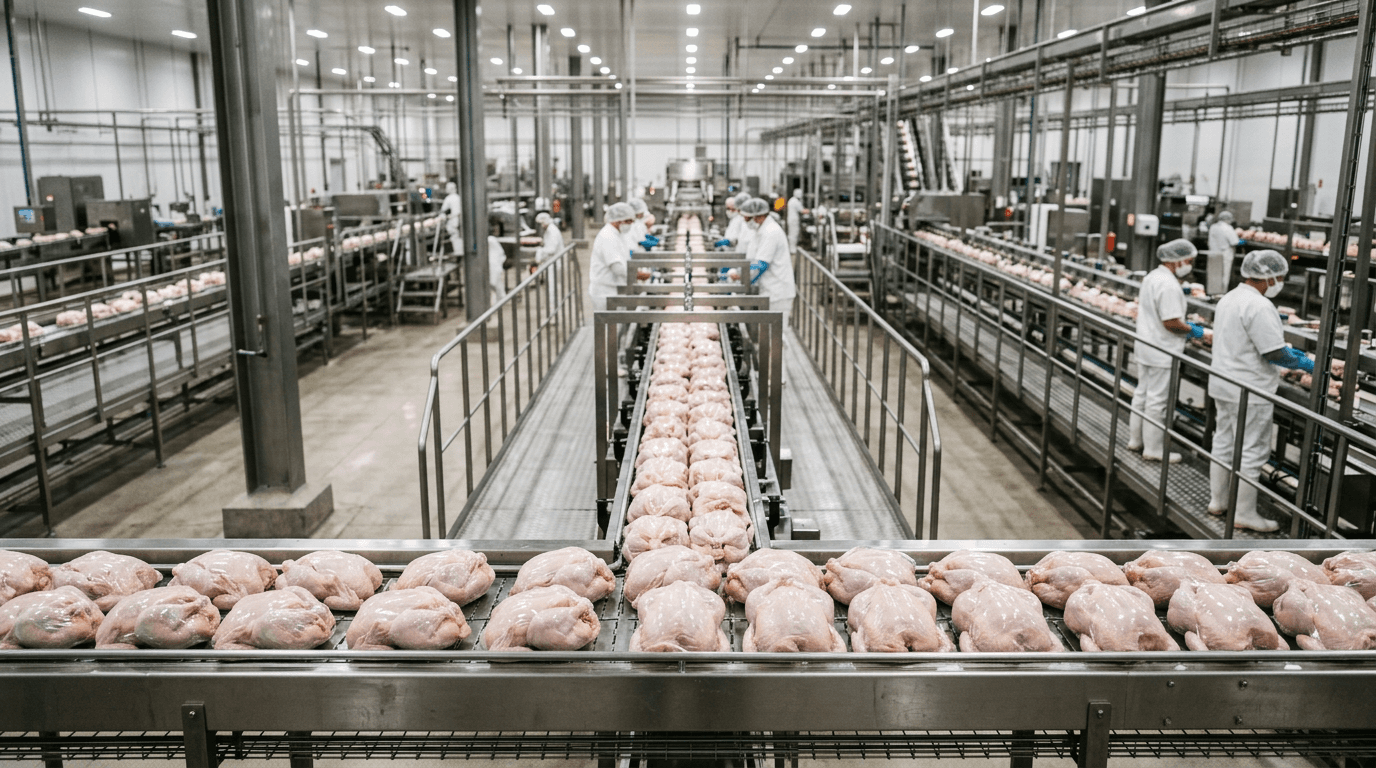
Brazil suspended poultry shipments to China on October 19, 2026, following a Newcastle disease outbreak, sending shares of major US-listed meat processors lower.
CFTC data shows non-commercial traders holding a net-long position of 271,099 contracts in Chicago Board of Trade soybeans as of October 13, 2026.
Brazil's largest toy retailer Ri Happy has filed for out-of-court restructuring to manage R$ 827.4 million in debt, highlighting ongoing retail distress.
The yield spread between Brazil's Selic rate and the Federal Reserve's benchmark remains steady, impacting retail portfolios and currency risk.
Brazil's newly promulgated Constitutional Amendment 141 ends the 6x1 workweek, forcing major food processors held by global investors to face soaring labor costs.
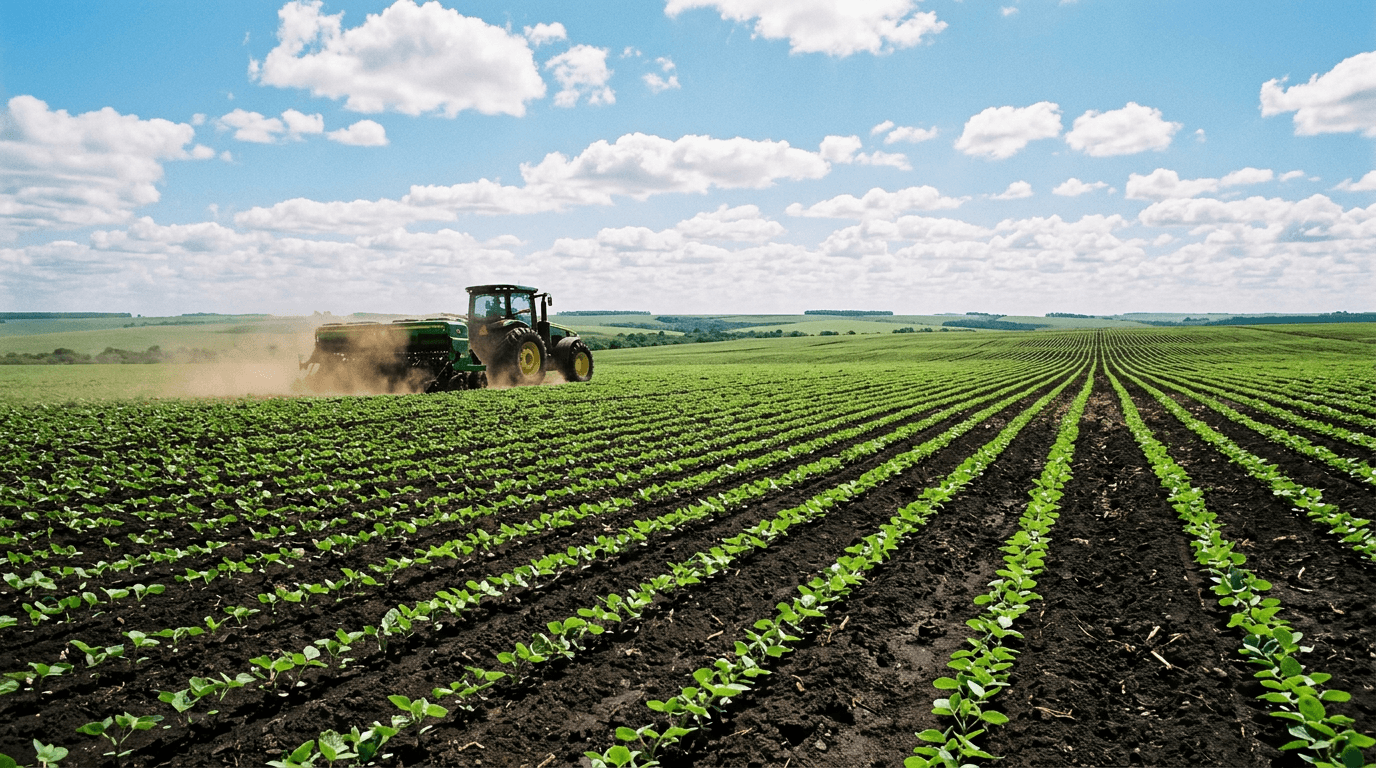
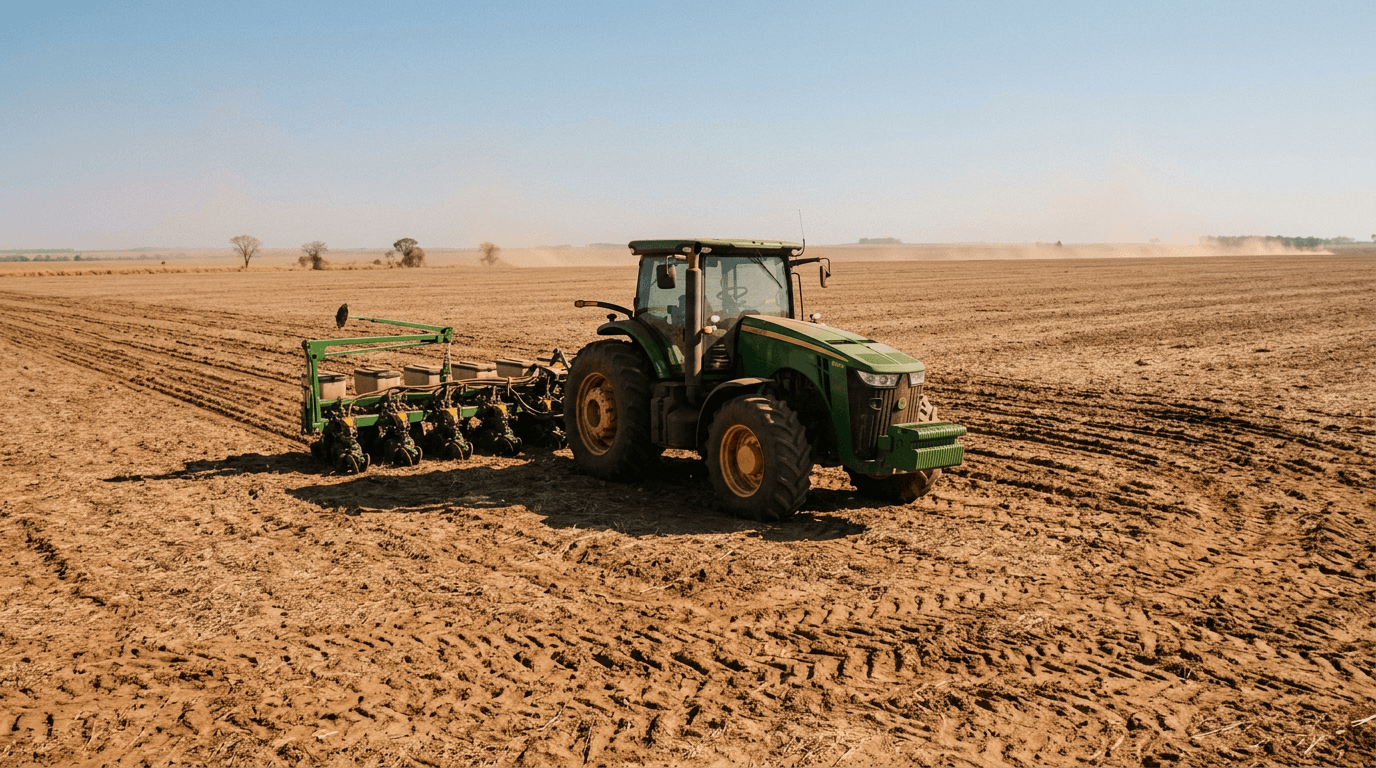
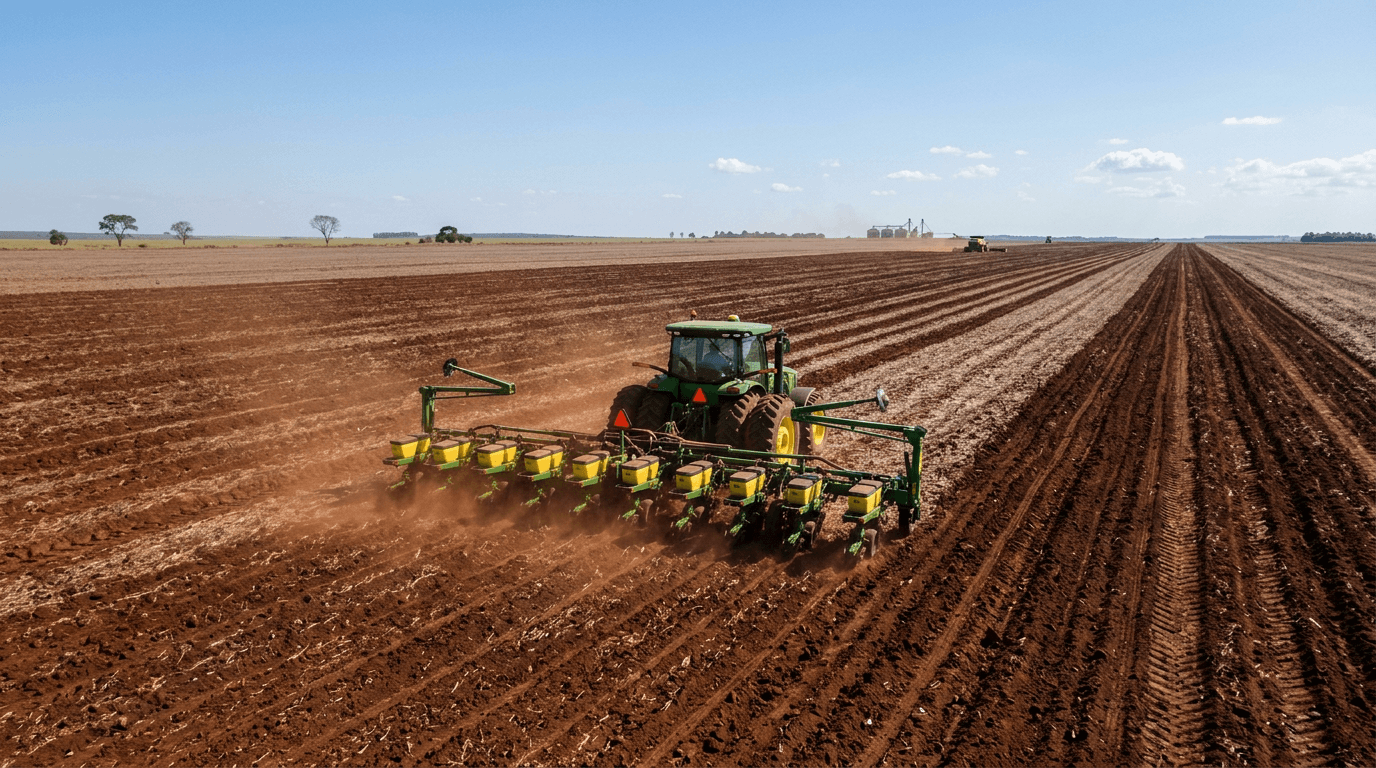
CFTC data shows non-commercial traders held a net-long position of 271,099 soybean contracts on October 13, 2026, as dry weather in Brazil slows planting.
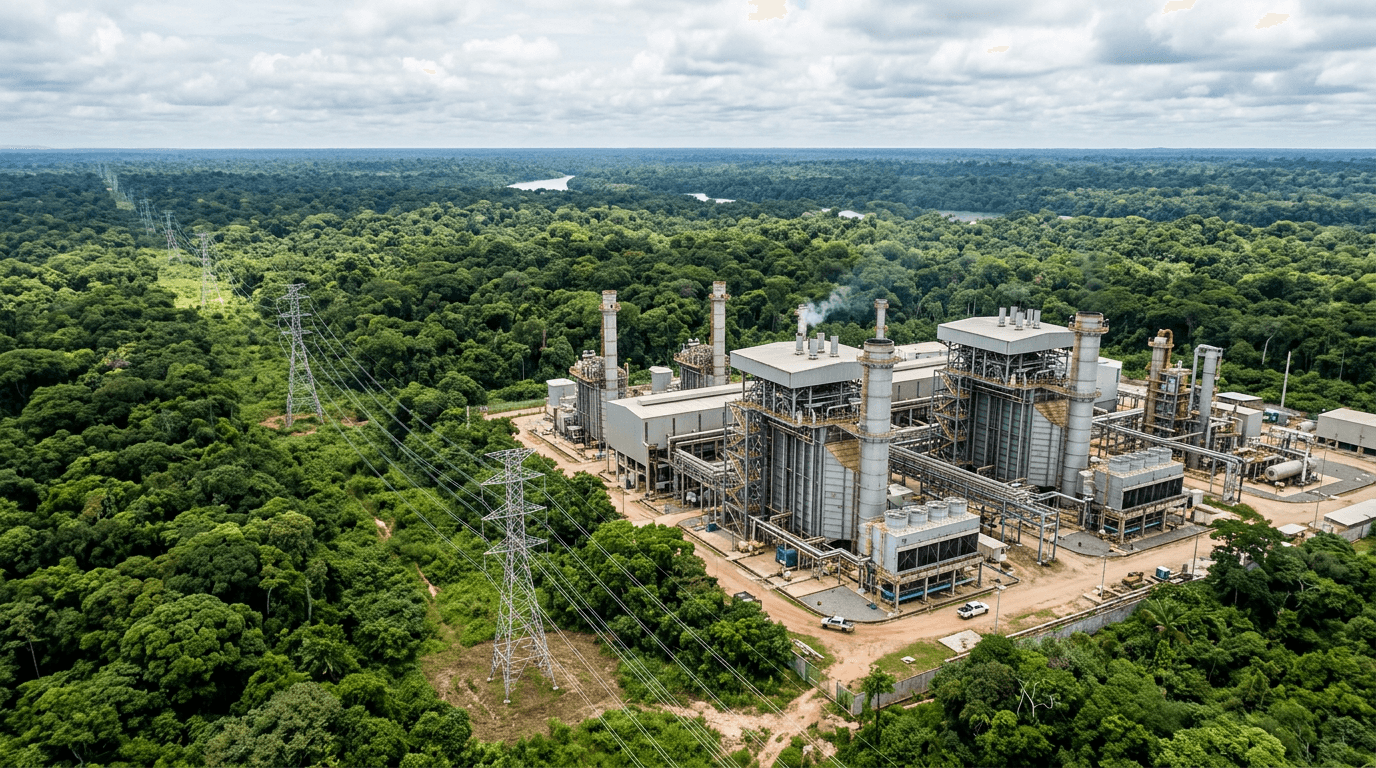
US power equipment giant GE Vernova has launched commercial operations at the Azulão I thermal plant in Amazonas, securing a 15-year grid-stabilization services contract.
Brazil's central bank has launched Resolution No. 575, allowing US exporters and multinational investors to hold direct foreign currency accounts.
The Brazilian Real hovers at 5.06 per USD on October 19, 2026, as investors weigh consecutive rate cuts and a tight presidential runoff.
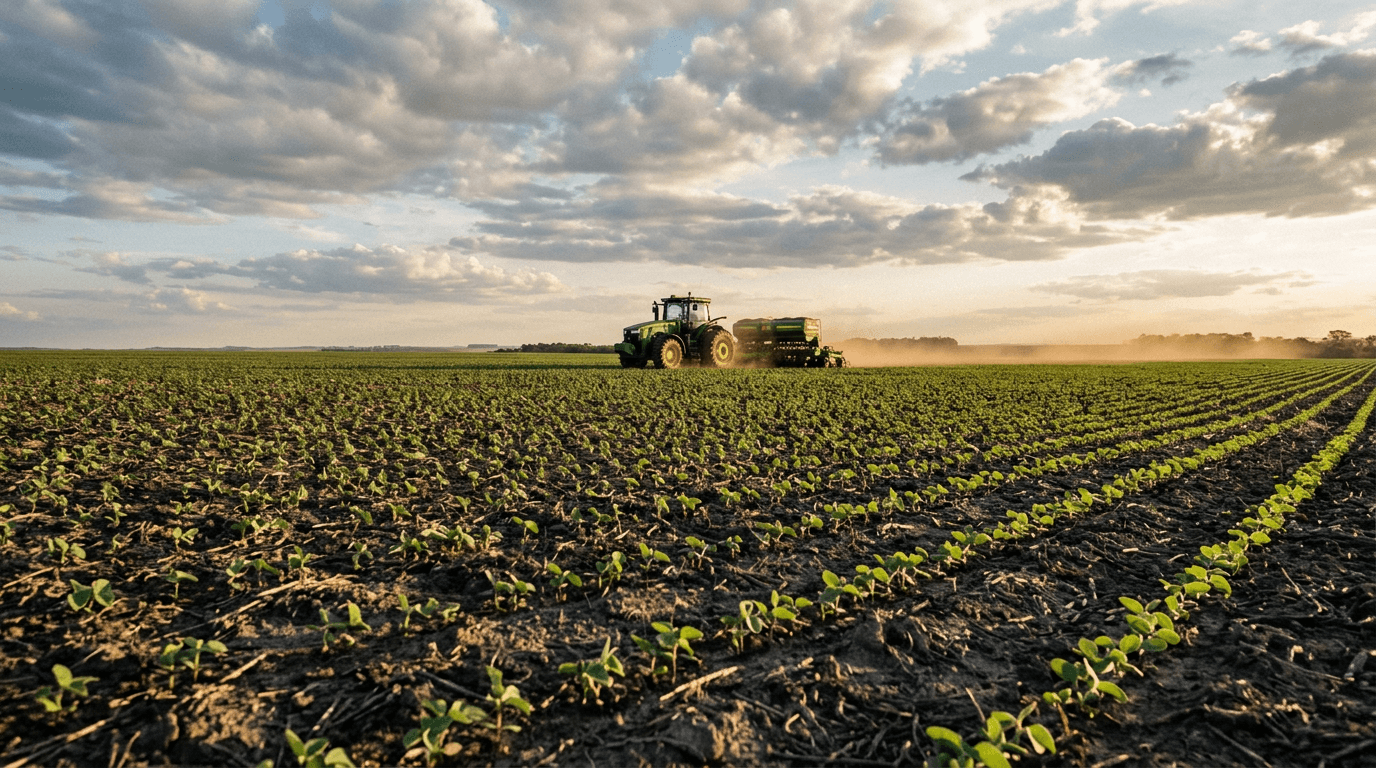
The CFTC reports net-long soybean positions as of October 13, 2026, while fast South American planting shapes the global supply outlook.
As Brazil's presidential runoff nears, sudden policy pivots on labor laws and crime are reshaping corporate costs and credit risks for US-listed companies.
The CFTC reports a net-long soybean position as of October 13, 2026, while Brazil's Conab projects a record-breaking 181.6 million metric ton harvest.
A post-election surge in Brazilian equities has global asset managers re-evaluating Latin America's largest economy amid shifting political risks and historical valuation gaps.
The latest CFTC report shows large speculators holding a massive net-long position in Chicago soybeans, leaving them highly exposed to South American crop conditions.