
High Interest Rates Force Toy Retailer Ri Happy Into Debt Restructuring
Brazil's largest toy retailer Ri Happy has filed for out-of-court restructuring to manage R$ 827.4 million in debt, highlighting ongoing retail distress.
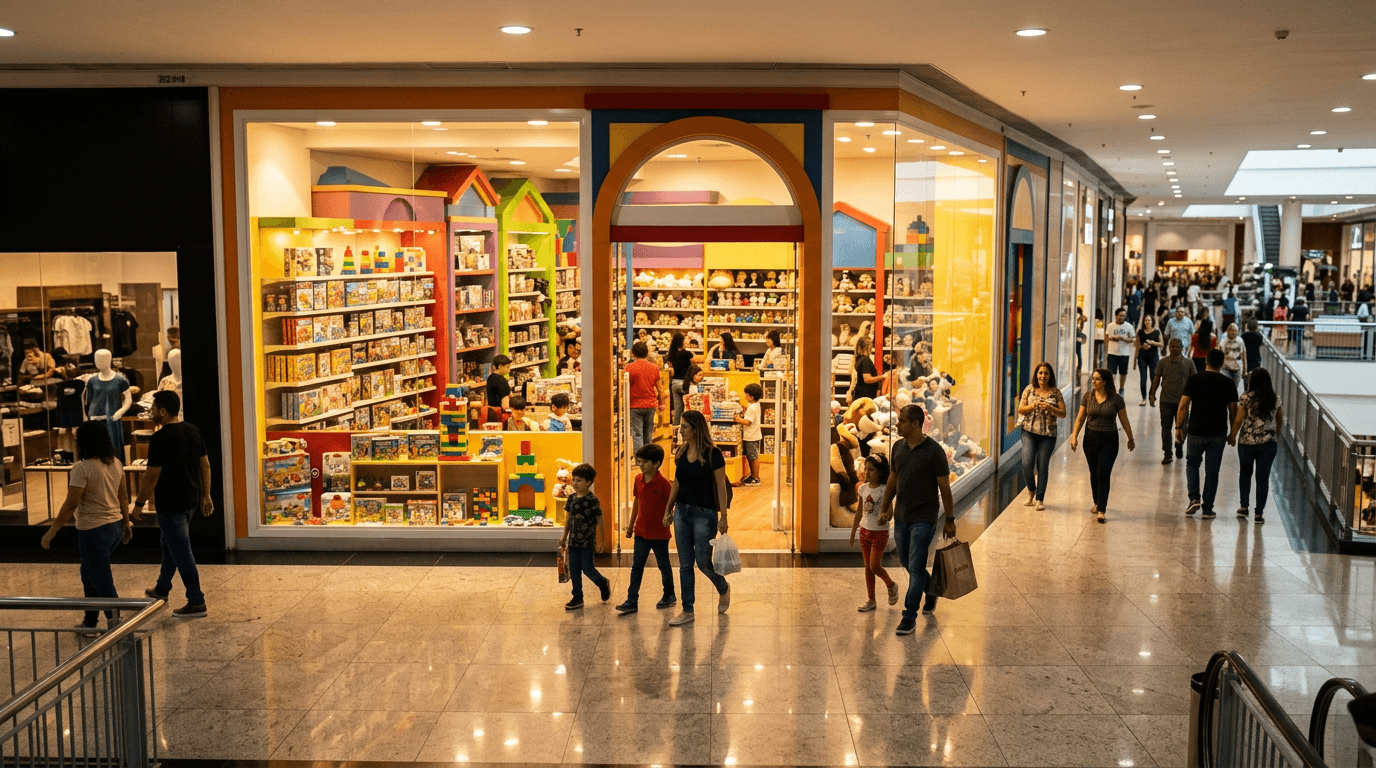
The persistent weight of elevated interest rates continues to crack the foundations of major consumer brands, as retail distress migrates from global supply chains directly into local storefronts. For international investors tracking consumer discretionary exposure, the corporate fallout of tight monetary policy is becoming increasingly visible in emerging market retail networks.
In Brazil, the country's largest toy retail operator, Grupo Ri Happy, filed for an out-of-court debt restructuring (known locally as extrajudicial recovery) on October 18, 2026. The filing, submitted to a São Paulo bankruptcy court, seeks to restructure R$ 827.4 million (approximately $145 million) in liabilities. The financial distress comes just 48 days after the private equity firm BluSun Capital Partners acquired 100% of the company in late August 2026.
The restructuring petition marks a rapid escalation of financial pressure for a retail giant that operates 290 stores and generates roughly R$ 1.2 billion in annual revenue. Ri Happy, which also owns the prominent PBKids brand, had previously restructured R$ 289 million in debt in 2023. However, the company cited a combination of high local interest rates, shifting consumer habits, and intense digital competition as the primary drivers behind its return to court protection.
A Familiar Story in Specialty Retail
The transition of ownership from SPX Capital to BluSun Capital Partners on August 31, 2026, was intended to stabilize the company ahead of the critical holiday shopping season. As part of the buyout, BluSun reinstated former chief executive officer Héctor Núñez to lead a turnaround focused on experiential physical retail. Instead, the new management team was forced to seek immediate legal protection to freeze creditor executions while negotiating new payment terms.
Under Brazilian bankruptcy law, an extrajudicial recovery allows a company to negotiate a pre-packaged restructuring plan directly with its main financial creditors before seeking final judicial ratification. Ri Happy stated that its physical stores and e-commerce platforms will continue to operate normally as negotiations proceed, ensuring that inventory remains active for the upcoming Black Friday and Christmas sales.
The company's struggles reflect a broader trend across the brazil stock market where retail and consumer discretionary companies have faced severe margin compression. While the local central bank has kept interest rates high to combat persistent inflation, the resulting cost of capital has proved unsustainable for highly leveraged retail networks.
In your brokerage app
For retail investors holding diversified emerging market funds, corporate restructurings of this scale highlight the underlying credit risks within Latin American consumer sectors. While Ri Happy is privately held, its financial distress directly impacts major commercial real estate developers and shopping mall operators listed in New York. Investors can monitor these broader retail real estate exposures through the iShares MSCI Brazil ETF, which tracks the largest publicly traded companies in the country.