
CBOT Soybean Speculators Hold Strong Net-Long Position as of October 13
CFTC data shows non-commercial traders holding a net-long position of 271,099 contracts in Chicago Board of Trade soybeans as of October 13, 2026.
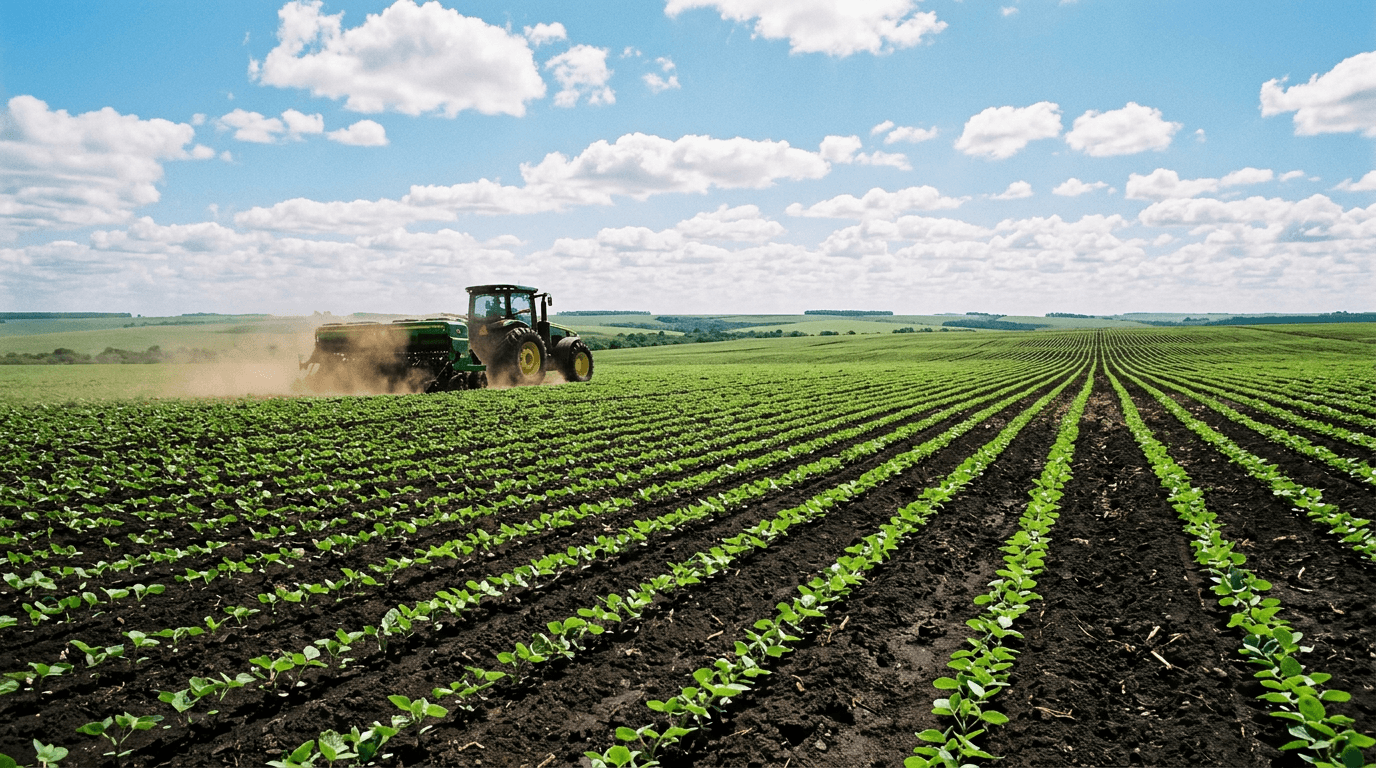
American retail investors tracking agricultural commodities or holding diversified commodity exchange-traded funds (ETFs) are seeing a highly active but cautious derivatives landscape. Weekly trader positioning data provides critical context for the supply-and-demand dynamics of global food crops, rather than a direct price forecast.
According to the U.S. Commodity Futures Trading Commission (CFTC) Commitments of Traders report for the observation date of October 13, 2026, speculative interest in Chicago Board of Trade (CBOT) soybeans remains heavily weighted to the buy side. Non-commercial traders—a category that includes large hedge funds and institutional money managers—held 356,266 long contracts compared to 85,167 short contracts, resulting in a net-long position of 271,099 contracts. Total open interest for the CBOT soybean contract (code 005602) stood at 1,072,235 contracts as of that same October 13, 2026 reporting date.
This positioning reflects a delicate balance in the global agricultural trade, where U.S. production closely interacts with South American export capacity. Brazil, the world's largest exporter of soybeans, plays a dominant role in shaping these Chicago Board of Trade dynamics. When Brazilian planting conditions are favorable, global supply expectations rise, often putting downward pressure on Chicago futures and prompting large funds to adjust their long exposure. Conversely, any logistical bottlenecks in Brazilian ports or weather disruptions in key agricultural states like Mato Grosso can quickly trigger speculative buying in U.S. contracts.
For international investors, this global agricultural cycle is heavily viewed through the lens of political and regulatory risk in Brazil. The country's infrastructure spending, export tax policies, and environmental regulations regarding Amazon land use are constantly debated by political coalitions ahead of the upcoming electoral cycles. Changes in these domestic policies directly alter the cost of Brazilian grain on the global market, shifting how international grain merchants hedge their physical inventories using CBOT contracts.
In your brokerage app
For retail investors looking to gain exposure to the agricultural sector, Adecoagro S.A., a major agricultural and land development company with extensive farming operations in South America, is listed in New York and can be held directly in most U.S. brokerage accounts. Alternatively, investors seeking broad exposure to the country's corporate sector often utilize the iShares MSCI Brazil ETF, a fund that tracks large- and mid-sized Brazilian equities.