
Why a massive 9.75-point yield gap is pulling capital to Brazil
The yield spread between the Federal Reserve and Brazil's central bank remains at 9.75 percentage points, driving carry trade potential and currency swings.
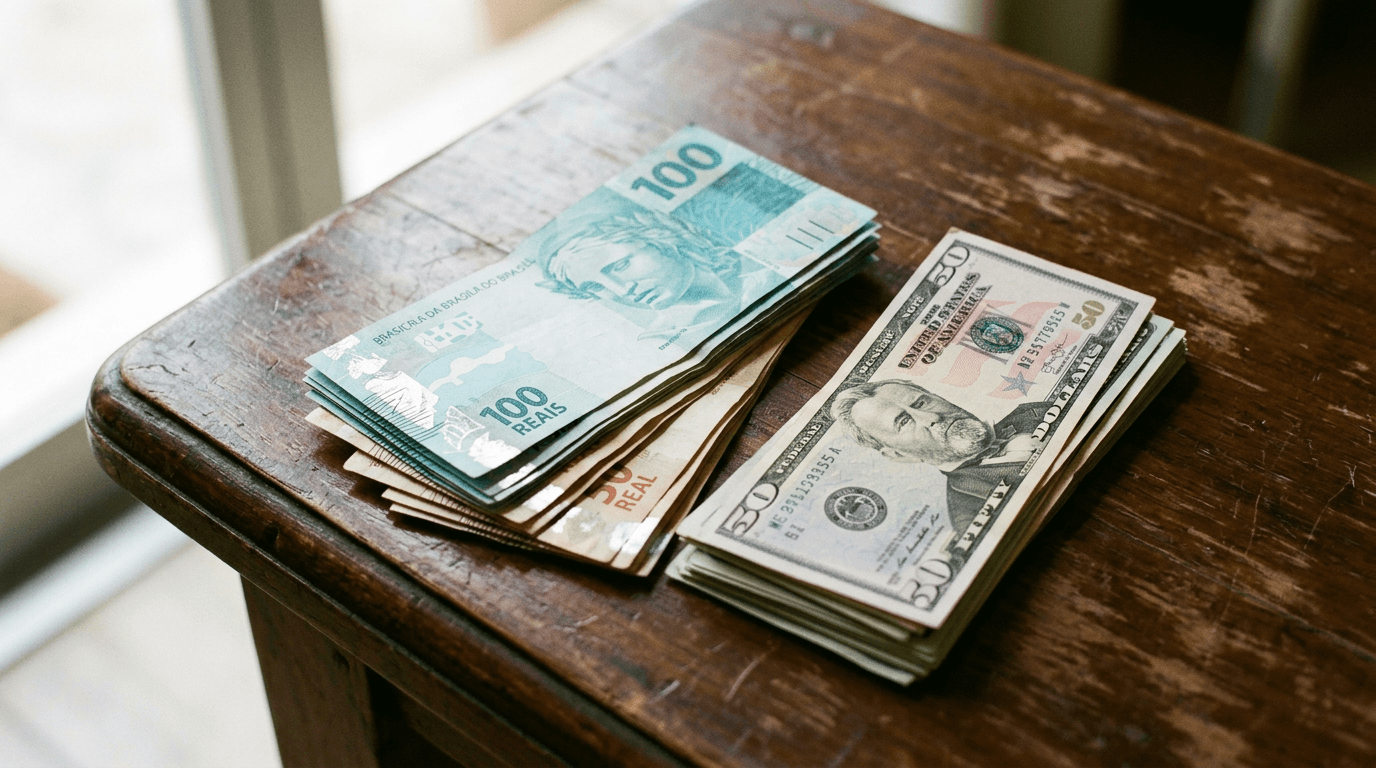
For American retail investors holding cash in brokerage accounts, the yield landscape has shifted. The Federal Reserve's target range upper limit sits at 4.0% as of October 19, 2026, according to Federal Reserve Bank of St. Louis data. While a 4.0% return on risk-free U.S. Treasuries provides a stable baseline, it is increasingly being compared to much wider yield spreads offered by major emerging markets.
Enter Brazil, where the central bank's benchmark Selic rate stands at 13.75%, according to the Central Bank of Brazil's SGS series 432 database. This leaves a massive 9.75 percentage point gap between the two nations' benchmark rates—a spread that has held steady over the last 30 days. For international macro investors, this yield gap is the foundation of the "carry trade," where market participants borrow in low-yielding currencies like the U.S. dollar to invest in high-yielding assets denominated in the Brazilian real.
This interest rate differential is a primary driver of the exchange rate between the brazil real vs dollar. When the yield gap is wide, it acts as a magnet for foreign capital, putting upward pressure on the Brazilian currency. However, this dynamic is highly sensitive to political risk. With Brazil heading toward its next presidential election cycle, global investors are closely monitoring fiscal policy decisions. Any perceived threat to the country's spending cap rules or the independence of the Central Bank of Brazil (BCB) can trigger rapid capital flight, offsetting the attractive 13.75% nominal yield with currency depreciation.
For retail investors who do not directly trade foreign exchange or local sovereign bonds, this rate gap still matters. It directly influences the valuation of large Brazilian corporations that rely on local credit markets, as well as the performance of broad-market funds. When the real strengthens due to high local rates, the dollar-denominated returns of Brazilian equities receive a natural boost. Conversely, if inflation fears force the BCB to keep rates high while the currency falters under political uncertainty, local borrowing costs squeeze corporate earnings.
In your brokerage app
U.S. retail investors can gain exposure to this macroeconomic theme through the iShares MSCI Brazil ETF (EWZ), a fund listed in New York that tracks large- and mid-cap Brazilian equities. Because the fund's underlying assets are priced in the local currency, its net asset value is highly sensitive to fluctuations in the brazil real to usd exchange rate. While the 9.75-point interest rate gap supports the currency, any shift in political risk or fiscal policy in Brasilia can quickly translate into volatility for the ETF.