
Why Barron’s Sees a Diet Coke Moment for Budweiser Parent AB InBev
Barron's argues that AB InBev's technological push into non-alcoholic beer could spark a major turnaround, directly impacting its Latin American subsidiary Ambev.
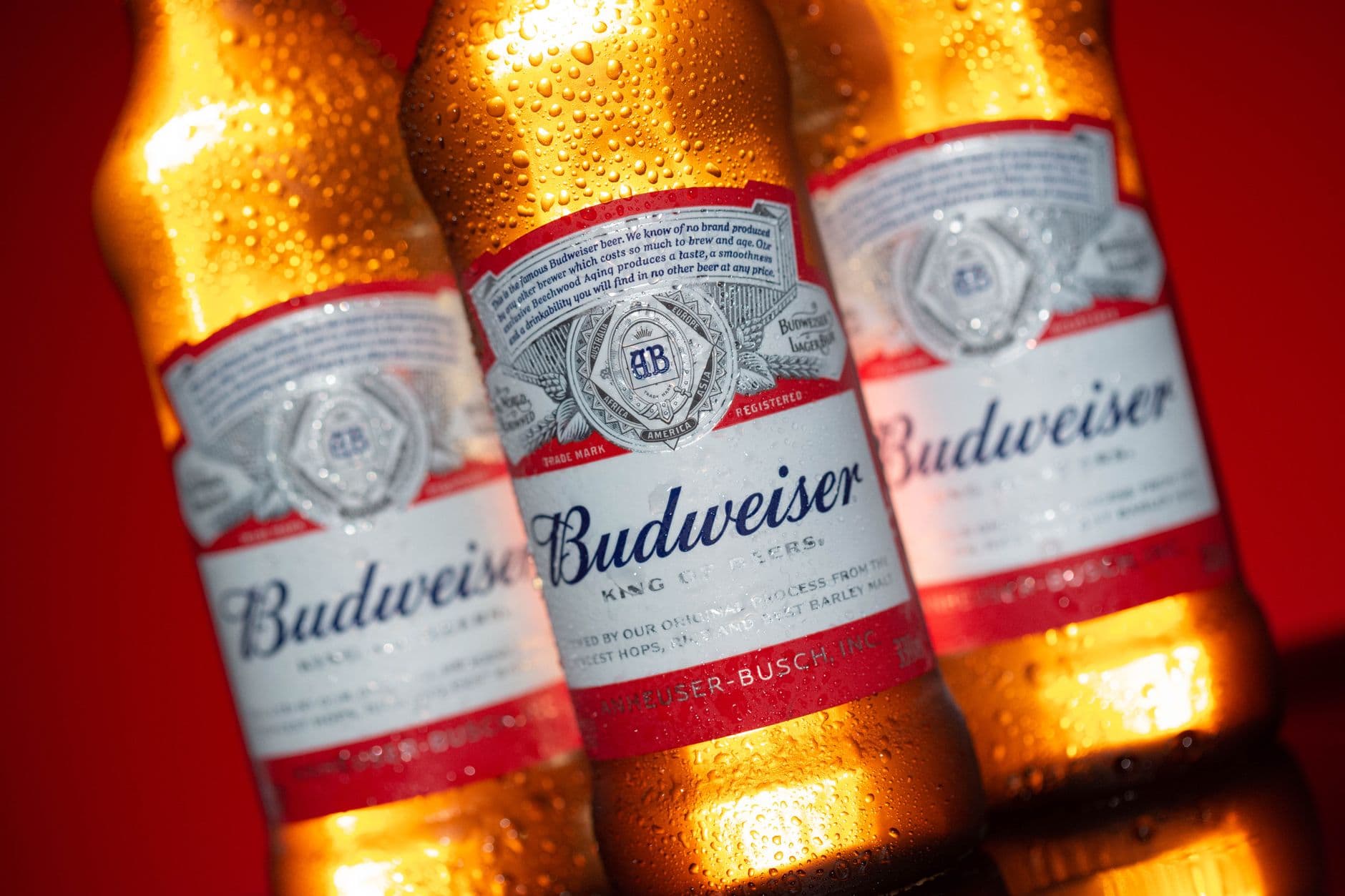
Global consumers are drinking less alcohol, with U.S. households allocating just 0.8% of their budgets to alcoholic beverages—the lowest level in 40 years, according to data from the Bureau of Labor Statistics. Compounded by the rising popularity of appetite-suppressing GLP-1 weight-loss drugs, traditional brewers have faced persistent volume headwinds. However, financial weekly Barron's published a bullish case on October 15, 2026, arguing that global brewing giant Anheuser-Busch InBev is entering a "Diet Coke moment". The publication suggests that the company's shares, currently trading at a discount, present an intriguing bet for investors looking for a bargain.
The heart of the thesis lies in a technological shift in how non-alcoholic beer is made, directly impacting both the parent company and its massive Latin American subsidiary, Ambev. Historically, non-alcoholic beer was made by halting fermentation early, which left the beverage tasting sweet and unappealing. AB InBev is now deploying vacuum-dealcoholization technology—using massive metallic thermal tubes to gently evaporate alcohol under a vacuum—preserving the distinct lager flavor profile of hops and malt.
This flavor breakthrough is already showing up in the company's financial results. In its Q2 2026 earnings report released on July 30, 2026, AB InBev revealed that while its overall global volume grew by a modest 0.9%, its non-alcoholic beer revenue surged by 27%. Led by CEO Michel Doukeris, the company is betting that zero-alcohol alternatives, which currently make up about 2% of the global beer market, will scale rapidly as taste finally matches consumer expectations.
The Latin American Engine
This product pivot is heavily reliant on Ambev, the São Paulo-based brewing powerhouse that is 62% owned by AB InBev. Ambev is the largest brewer in Latin America and dominates the Brazilian market with legacy brands like Brahma and Skol. For foreign investors tracking the Brazil stock market, Ambev represents a highly defensive, cash-generative business that is actively scaling this premium, non-alcoholic portfolio.
In its own Q2 2026 earnings report on July 29, 2026, Ambev reported that its non-alcoholic beer volumes grew by "low-twenties" percent, alongside a massive tripling of its low-carb Michelob Ultra brand in Brazil and Argentina. Under CEO Carlos Lisboa, Ambev is leveraging its dominant regional distribution network to roll out these healthier options to a younger demographic that has increasingly turned away from traditional alcohol.
While political risk and macroeconomic shifts often dominate Brazil stock market news, Ambev's strong balance sheet, high margins, and low leverage provide a buffer. The company is currently gearing up for major marketing pushes, including tying promotional campaigns to the upcoming World Cup cycle to capture consumer attention.
In your brokerage app
For retail investors looking to capture this shift, Anheuser-Busch InBev is listed in New York under the ticker BUD. Its Latin American subsidiary, Ambev, is also directly accessible to U.S. investors through its shares listed in New York under the ticker ABEV. Both companies are widely held in broad emerging markets and consumer staples exchange-traded funds (ETFs).