
Why This Medical Education Giant Plunged After a Top Hospital Deal
Ânima Educação shares tumbled as investors weighed the high costs and debt leverage of its new 20-year partnership with Hospital Albert Einstein.
Global investors holding emerging market education assets watched a sharp divergence unfold in the sector this week. While medical training remains one of the most resilient, high-margin niches in private education, the heavy financial toll of securing a premium brand has sent shockwaves through the market, proving that even prestigious partnerships can trigger immediate sell-offs when corporate debt is on the line.
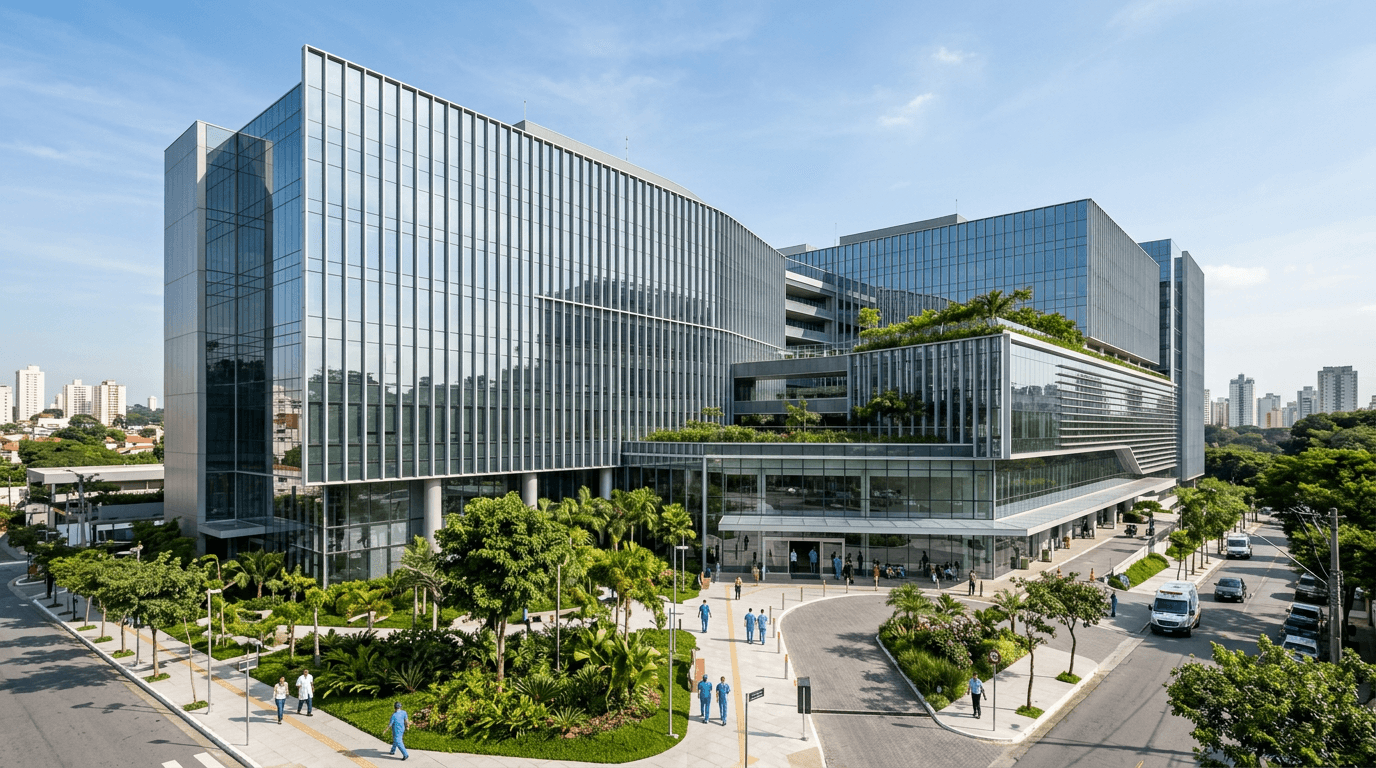
On October 19, 2026, the Brazilian private education giant Ânima Educação announced that its medical school subsidiary, Inspirali, signed an exclusive 20-year partnership with Hospital Israelita Albert Einstein. Located in São Paulo, Albert Einstein is widely regarded as Brazil's most prestigious healthcare institution. Under the agreement, the hospital will provide academic, scientific, and pedagogical consulting to Inspirali’s 15 medical schools, which currently serve approximately 12,600 students across the country.
The market reaction was swift and punishing. On October 20, 2026, Ânima’s shares (trading locally under the ticker ANIM3) plummeted by as much as 11.84% on the Brazilian B3 exchange, closing among the day's worst performers. While analysts at major investment banks like BTG Pactual acknowledged the long-term strategic value of aligning with Brazil's top hospital brand to justify higher tuition fees, the immediate cash requirements of the deal spooked investors already sensitive to high corporate leverage.
According to the company's regulatory filing, the partnership requires Ânima to pay a fixed fee of R$ 150 million (approximately $26.5 million), with R$ 75 million paid upfront and the remaining R$ 75 million due in one year. Additionally, Albert Einstein will receive a 6% royalty on net revenues generated by all new medical students enrolled after the signing.
The primary concern for shareholders is the immediate impact on Ânima's balance sheet. The company disclosed that the deal will increase its financial leverage ratio by 0.06x. When added to the 2.41x net debt-to-EBITDA ratio reported in the second quarter of 2026, Ânima's proforma leverage rises to 2.47x. In a macroeconomic environment where Brazil's benchmark interest rates remain high, any incremental increase in debt service costs raises red flags for equity investors.
In your brokerage app
For US retail investors, direct exposure to Brazil's medical education sector is available through Afya Limited, which is listed in New York on the NASDAQ. While Afya is a direct competitor to Ânima's Inspirali division in the lucrative Brazilian medical school market, it operates independently of this specific transaction. US-based exchange-traded funds focusing on Brazilian equities, such as the iShares MSCI Brazil ETF, also hold broad exposure to the country's consumer discretionary and education sectors.