
High Jet Fuel Costs Delay Recovery for Brazilian Carrier Azul
Azul CFO Antonio Carlos Garcia warns that high jet fuel costs will delay the airline's post-bankruptcy recovery timeline by at least a year.
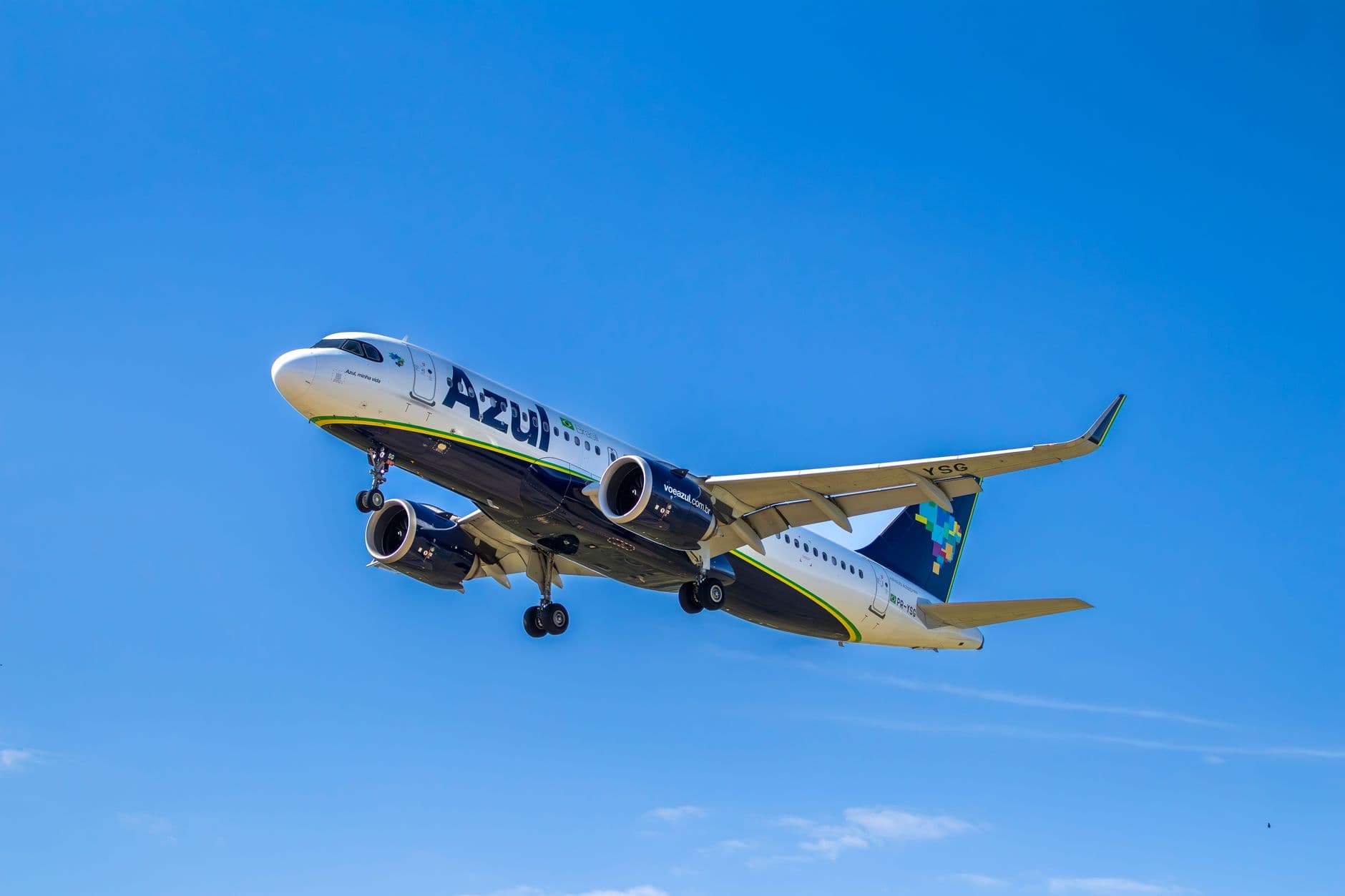
U.S. retail investors tracking global aviation for recovery plays are facing a longer wait for margin improvements. Persistent jet fuel costs are squeezing airlines globally, forcing carriers to delay their post-restructuring growth plans as high energy prices become a prolonged reality for the industry.
In Brazil, the country's largest airline by cities served, Azul, has officially pushed back its financial recovery timeline. On October 20, 2026, Azul’s Chief Financial Officer Antonio Carlos Garcia stated on the sidelines of an industry conference that the airline's full recovery is now delayed by at least a year due to high jet fuel costs. The executive, who took over the financial helm in April 2026 after serving as CFO of aerospace manufacturer Embraer, noted that the timeline could slip even further if fuel prices remain elevated.
To navigate the pressure, Azul is sticking to a cautious capacity strategy. The airline expects to finish 2026 with flight capacity about 5% below 2025 levels. This conservative approach follows a sharp second-quarter capacity cut of more than 10% in response to the initial fuel price shock. While Azul is gradually returning some grounded aircraft to service and restoring select flight frequencies starting in the fourth quarter, Garcia emphasized that this represents a stabilization effort rather than an aggressive expansion.
The financial strain persists despite Azul's aggressive efforts to pass expenses on to travelers. The airline has successfully passed 60% to 65% of the jet fuel price increases onto passenger fares. However, the remaining cost burden continues to weigh heavily on profit margins.
This operational bottleneck comes at a sensitive time for the carrier's balance sheet. Azul emerged from Chapter 11 bankruptcy protection in February 2026 after a major restructuring of its liabilities. In August 2026, the company reported that its total debt had fallen to 21.4 billion reais ($4.25 billion). Although the airline is approaching positive operational free cash flow, Garcia acknowledged that actual cash generation remains constrained by ongoing payments tied to the restructuring process. To offset passenger-flying pressures, the company is leaning more heavily on its loyalty program, cargo, and maintenance business segments.
In your brokerage app
For investors holding shares of Azul, which is listed in New York under the entity Azul S.A., the delayed recovery timeline underscores the persistent headwinds facing South American transport equities. The company's performance is also a key driver within broader Latin American aviation and emerging market consumer exchange-traded funds, such as the US Global Jets ETF, which tracks global airline operators.