
How the Fed and Brazil's 9.75% rate gap moves your money
The massive yield difference between US Treasuries and Brazil's Selic rate shapes the value of the real and major US-listed emerging market funds.
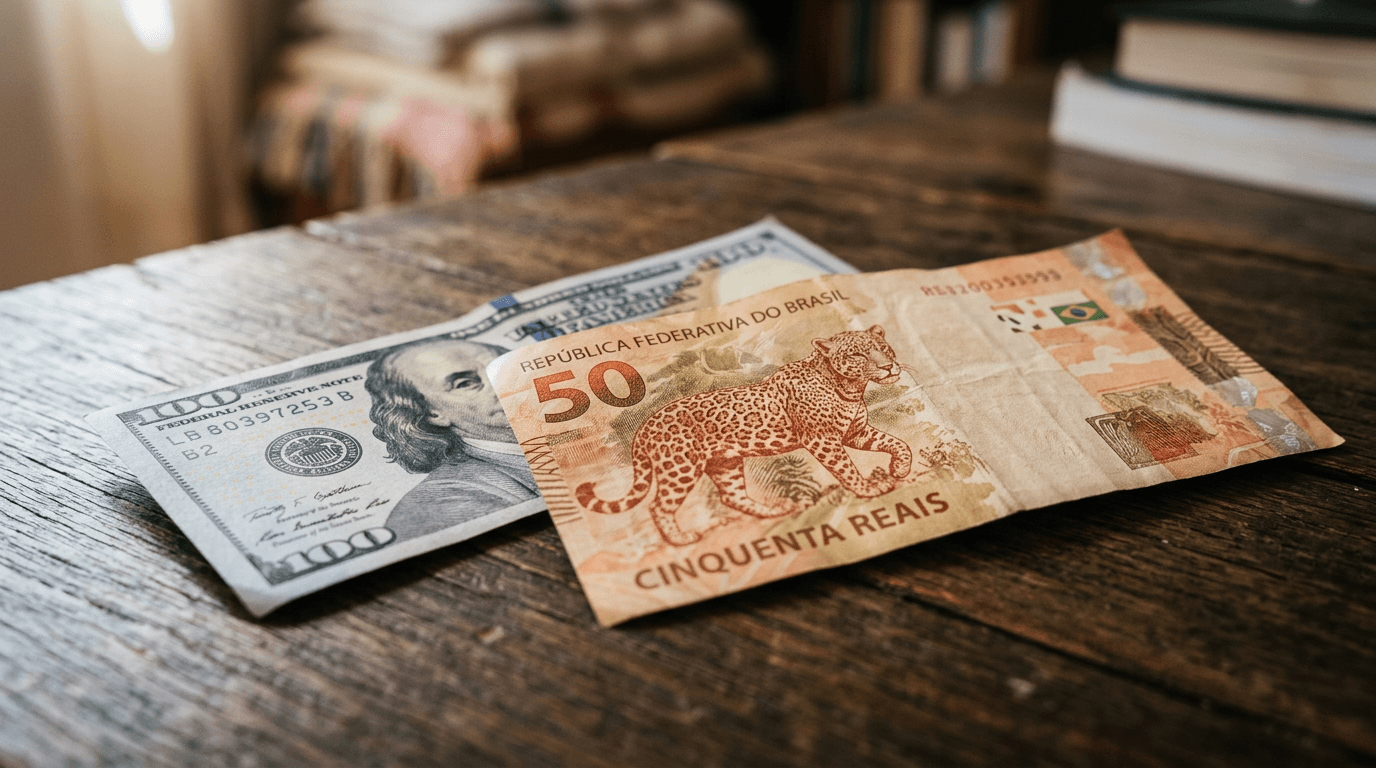
When you check your brokerage account, the yield on your low-risk cash or short-term US Treasury bills is anchored by the Federal Reserve's benchmark rate. As of October 20, 2026, the upper limit of the US federal funds rate stands at 4.0%. While that yields a steady return for American savers, a parallel rate decision thousands of miles away is creating a massive yield gap that directly influences international funds and the value of foreign currencies.
In Brazil, the central bank—known locally as the Banco Central do Brasil (BCB)—is holding its own benchmark interest rate, the Selic, at a staggering 13.75%. According to official central bank data from the SGS time-series system on October 20, 2026, this leaves the interest rate gap between the two nations at exactly 9.75 percentage points. This spread is unchanged from 30 days ago, maintaining a wide yield cushion that acts as a powerful magnet for global capital.
For a US retail investor, this rate gap is the engine behind the "carry trade"—a strategy where institutional investors borrow dollars at low US rates to buy high-yielding Brazilian government bonds. When this gap is wide and stable, it tends to support the Brazilian currency, the real, against the US dollar. Conversely, if the Fed raises rates or Brazil cuts its own too aggressively, the gap narrows, often causing capital to flee back to the US, which weakens the real and drags down the value of US-listed Brazilian assets.
The electoral lens of the moment
This yield differential is particularly critical right now because Brazil is in the middle of a highly contested presidential election cycle. The country is heading toward a decisive second-round runoff on October 25, 2026, between the incumbent leftist President Luiz Inácio Lula da Silva and conservative challenger Flávio Bolsonaro.
Political risk directly feeds into how the central bank manages the Selic rate. If the incoming administration pursues loose fiscal policies that spark inflation, the independent central bank may be forced to keep rates high or raise them further to protect the currency. While a 13.75% interest rate sounds attractive, it reflects the risk premium investors demand to hold Brazilian debt during periods of political transition.
A stable transition that preserves fiscal discipline could relieve this risk premium, potentially boosting local stocks and strengthening the real. On the other hand, unexpected fiscal slippage could trigger a sharp sell-off in the currency, offsetting the high nominal yields.
In your brokerage app
If you hold the iShares MSCI Brazil ETF (EWZ), a prominent exchange-traded fund listed in New York, your investment is highly sensitive to this interest rate gap. Because the fund holds large Brazilian companies like state-run oil giant Petrobras and mining giant Vale, its returns in US dollars are heavily driven by the exchange rate between the Brazilian real and the US dollar. A wide interest rate gap helps support the real, directly boosting the fund's performance for US-based accounts.