
Iron Ore Giant Vale Files to Register $1.4 Billion Panda Bond Program
Vale S.A. has applied to register a RMB 10 billion debt program in China, bypassing traditional Western capital markets to tap cheap, yuan-denominated funding.
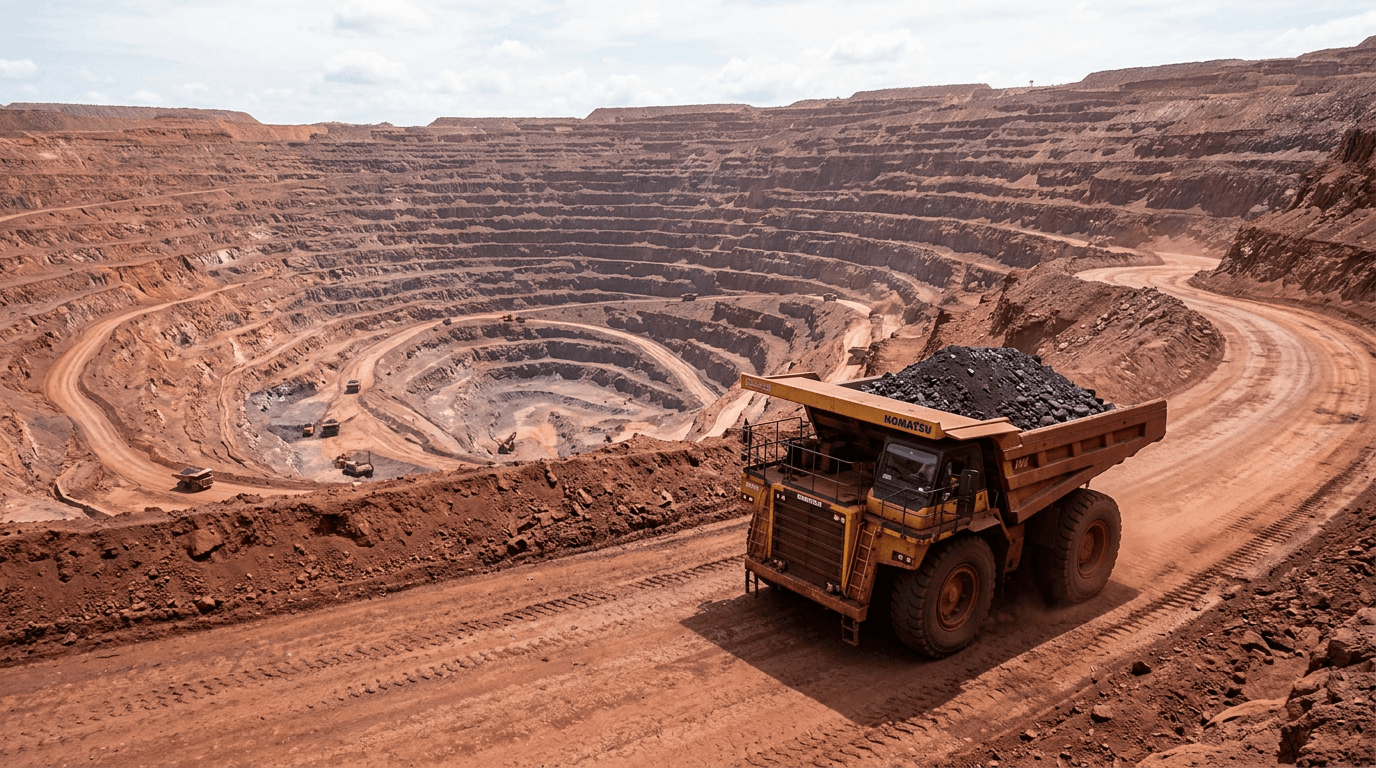
The global debt landscape is shifting as major international corporations look beyond Wall Street to fund their operations. On October 20, 2026, Brazilian mining giant Vale S.A. disclosed in a Form 6-K filing with the U.S. Securities and Exchange Commission that its wholly owned subsidiary, Vale Overseas Limited, has applied to register a Renminbi-denominated debt program in China.
The program, submitted to China’s National Association of Financial Market Institutional Investors (NAFMII), allows the company to issue up to RMB 10 billion (approximately $1.4 billion) in "Panda bonds" between 2026 and 2028. Panda bonds are yuan-denominated debts issued by foreign entities within mainland China. According to the regulatory filing, any debt issued under this program will be fully and unconditionally guaranteed by the parent company, Vale S.A., and sold exclusively within China's Interbank Bond Market.
Leaning Into the Largest Customer
For global investors, this move highlights how the world's largest producer of iron ore is deepening its financial ties with its most critical trade partner. China consumes more than half of the world's seaborne iron ore, primarily to fuel its massive steelmaking sector. By establishing a direct pipeline to Chinese onshore liquidity, the Brazilian miner can tap into a deep pool of domestic capital, often at lower borrowing costs compared to current U.S. dollar debt markets.
The filing represents a concrete step forward from previous corporate deliberations. On September 30, 2026, Vale had issued a clarification note regarding media reports of a potential $500 million debut bond sale, stating at the time that it routinely evaluates alternative funding sources. The new October 20, 2026 application formalizes this strategy on a much larger scale, though the company noted that actual issuances will still depend on regulatory approvals and prevailing market conditions.
Navigating the Geopolitical Tightrope
The decision to register a Panda bond program also underscores the delicate balancing act facing major commodity exporters. As political risk and trade tensions simmer between Washington and Beijing, multinational companies are increasingly looking to diversify their treasury exposures. For a company heavily reliant on Chinese industrial demand, raising debt in local currency acts as a natural hedge against currency fluctuations and insulates its capital structure from Western interest rate volatility.
While the registration does not guarantee immediate debt issuance, it positions the miner to move quickly when interest rate differentials favor Chinese onshore markets. It also signals to global markets that the flow of capital is increasingly following the physical flow of commodities, cementing the financial relationship between South American resources and East Asian manufacturing.
In your brokerage app
Investors holding shares of Vale S.A., which is listed in New York, should monitor how this funding diversification impacts the company's capital expenditure and dividend capacity. The stock is also a major component of broad-market emerging market funds, such as the iShares MSCI Brazil ETF, which tracks the largest publicly traded companies in the country.