
Why Soybean Futures Are Shaking Up US Grocery and Ag Portfolios
Large institutional speculators trimmed their net-long positions in CBOT soybeans as of October 13, 2026, amid record-setting crop forecasts in Brazil.
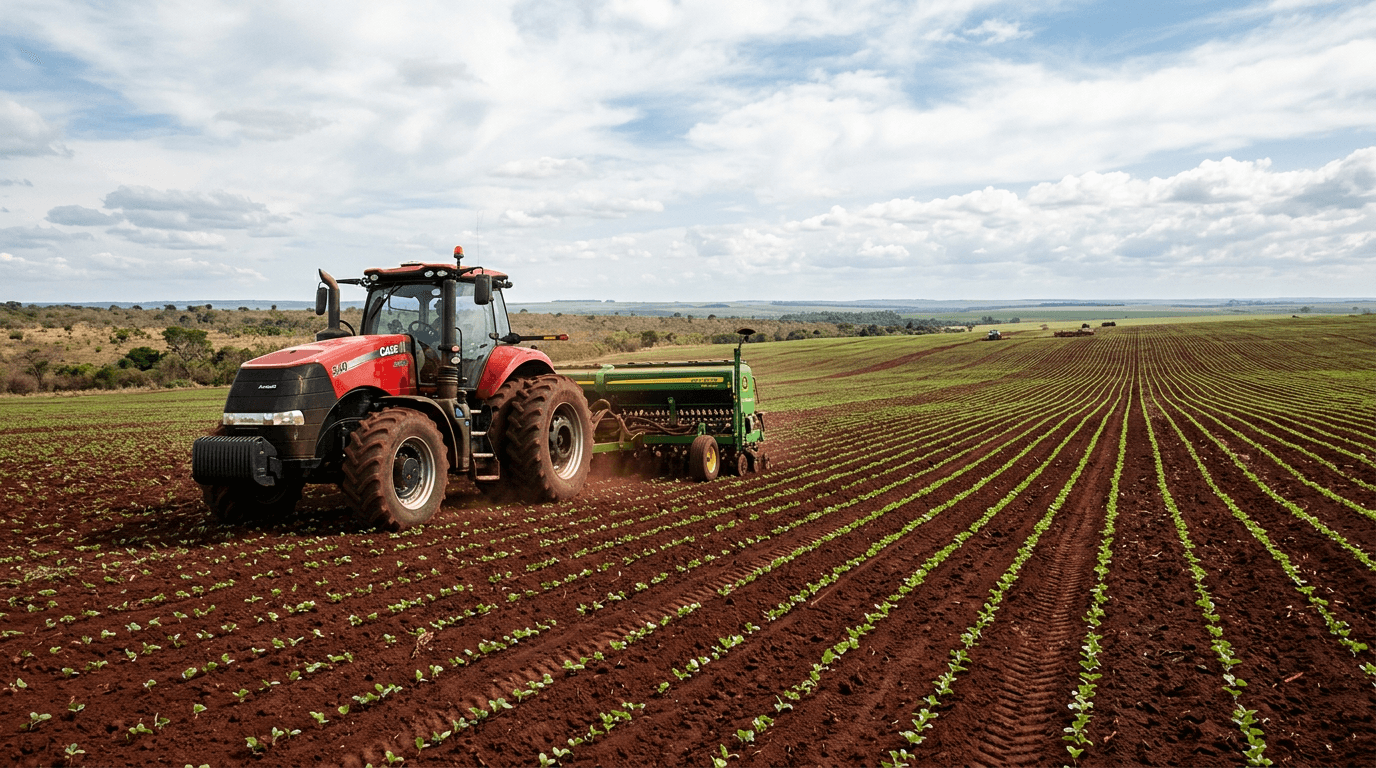
Global commodity traders are recalibrating their exposure to the agricultural complex as heavy harvest pressures meet record-setting production forecasts. For retail investors holding diversified commodity baskets or agricultural equities in their brokerage accounts, the shifting sentiment in Chicago trading pits offers a clear window into the forces driving global food inflation and supply chain dynamics.
According to the U.S. Commodity Futures Trading Commission (CFTC) Commitment of Traders report for the observation week ending October 13, 2026, non-commercial speculators held 356,266 long contracts against 85,167 short contracts in Chicago Board of Trade (CBOT) soybeans. This resulted in a net-long position of 271,099 contracts, down slightly from 273,896 net-long contracts the previous week. Total open interest for the contract stood at 1,072,235 contracts as of the October 13, 2026, reporting date.
While institutional funds trimmed their bullish bets, the broader backdrop is dominated by massive supply projections coming from South America. Brazil, the world's largest exporter of soybeans, is currently planting what is expected to be another historic crop. On October 15, 2026, Brazil’s National Supply Company (Conab), the state agency responsible for agricultural statistics, released its first official survey for the 2026–27 cycle. Conab projected that Brazilian soybean production will reach a record 181.6 million tonnes, representing a 0.7% increase from the previous season.
This expanding supply has kept a lid on global prices, even as robust export demand from China continues to absorb significant volumes of U.S. and Brazilian shipments. For global investors, the sheer scale of Brazil's agricultural output acts as a counterweight to domestic U.S. harvest pressures. However, the upcoming South American growing season is not without risks. Meteorologists and agricultural economists are closely monitoring the potential return of severe weather patterns, which could disrupt logistics in key Brazilian states like Mato Grosso and Paraná.
As the 2026–27 crop cycle progresses, weekly trader positioning reports from the CFTC will continue to serve as a vital sentiment gauge rather than a direct price forecast. Investors tracking the agricultural sector must balance these speculative flows against the physical reality of South American fields, where planting progress and weather disruptions will ultimately dictate the direction of the market.
In your brokerage app
For retail investors looking to track the performance of the agricultural sector, Adecoagro S.A. is a prominent farmland owner and agricultural producer in South America listed in New York. Additionally, the Teucrium Soybean Fund is an exchange-traded product that directly tracks CBOT soybean futures contracts, offering direct exposure to the commodity price fluctuations influenced by these global supply dynamics.