Brazil’s Soaring Public Debt Traps Next President on Spending and Policy
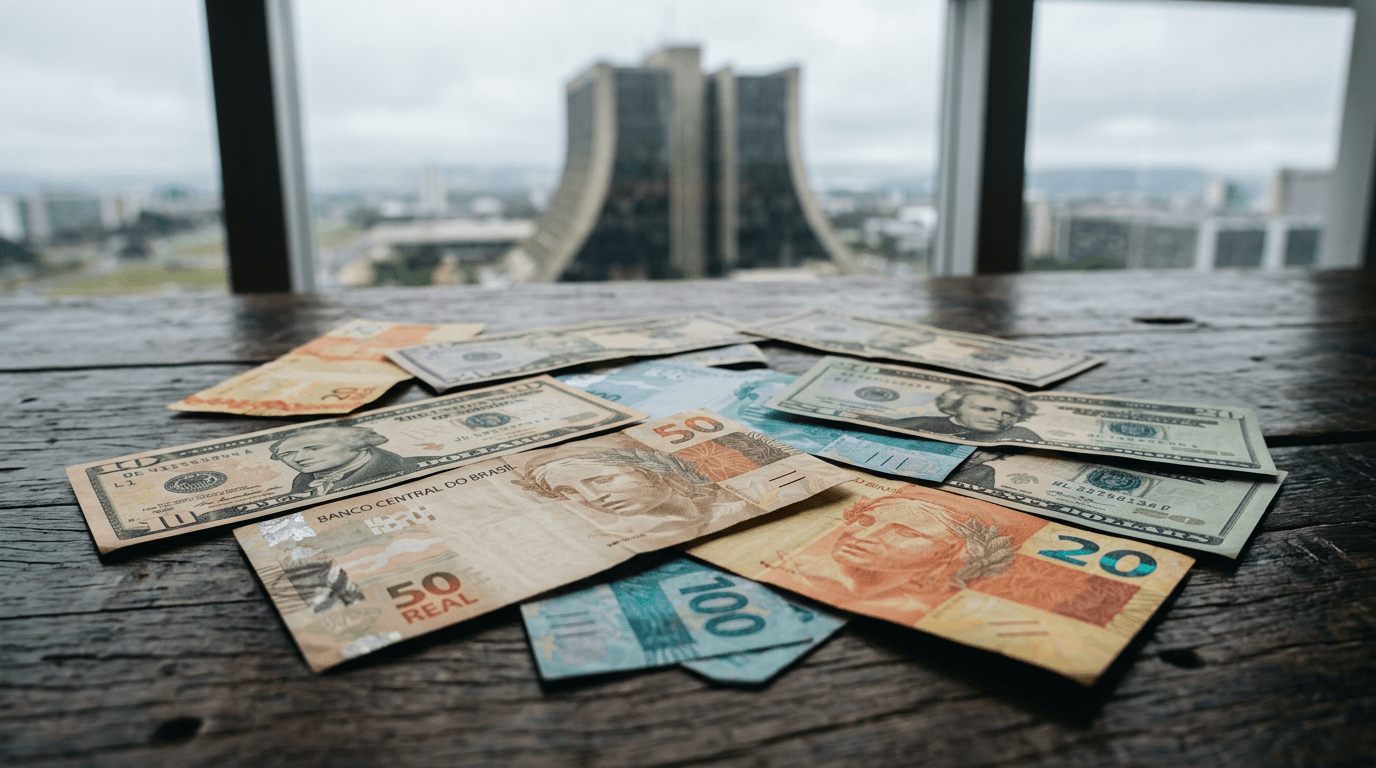
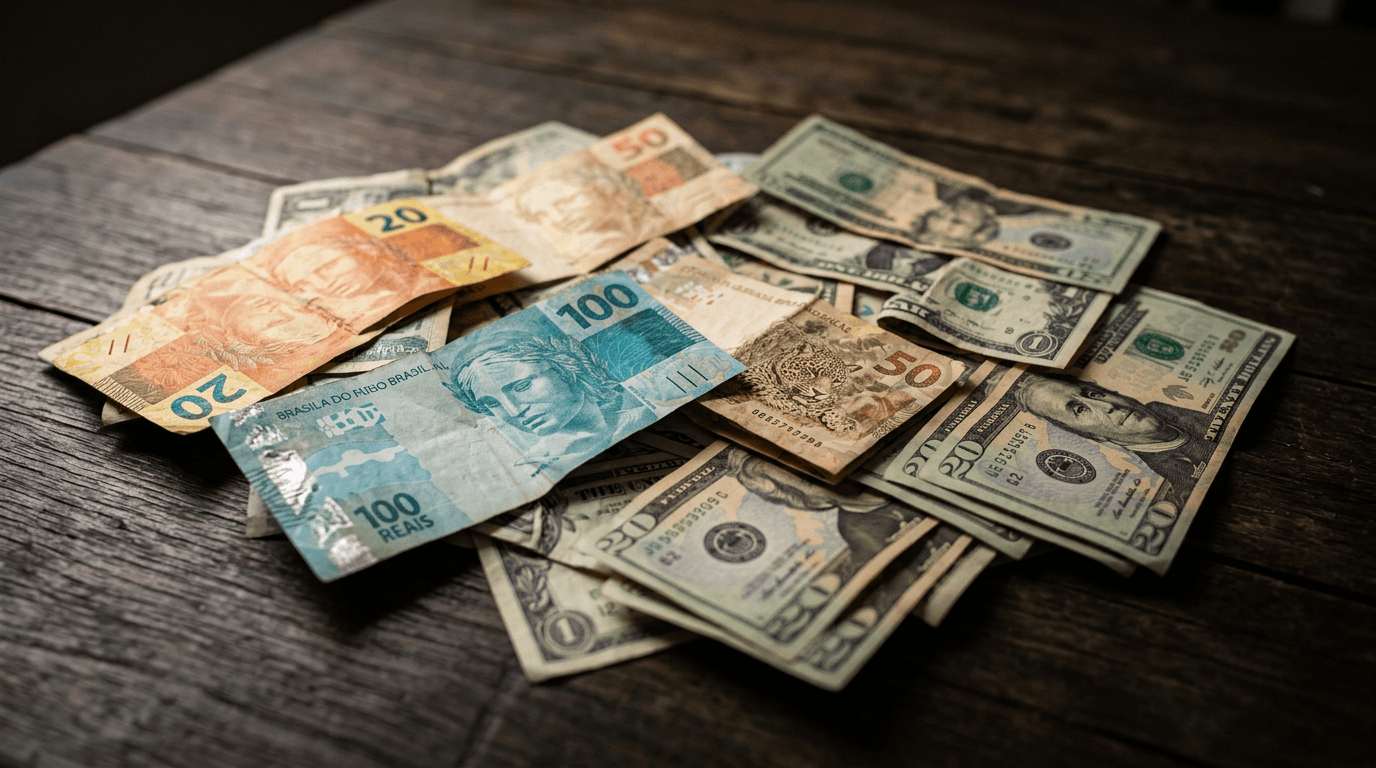
A gross public debt ratio of 82.9% of GDP will severely restrict the incoming Brazilian administration's ability to finance new policy, forcing a quick fiscal reckoning.


A gross public debt ratio of 82.9% of GDP will severely restrict the incoming Brazilian administration's ability to finance new policy, forcing a quick fiscal reckoning.
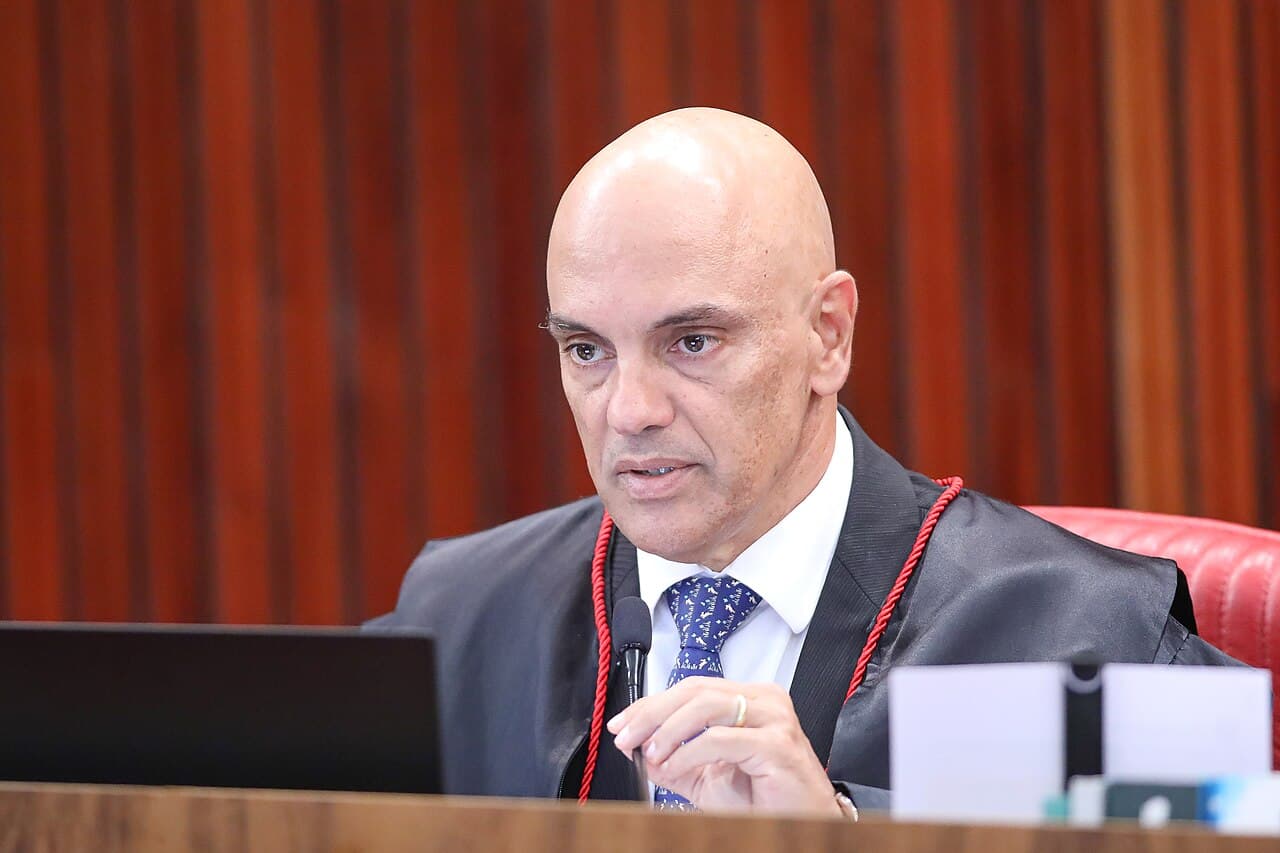
STF Justice Alexandre de Moraes fined a defense lawyer for inserting a hidden command into a court filing, marking a landmark ruling against AI manipulation in high-stakes legal proceedings.
The Brazilian Association of Radio and Television Broadcasters is suing to overturn a Provisional Measure by President Lula that immediately bans all sports betting advertising.
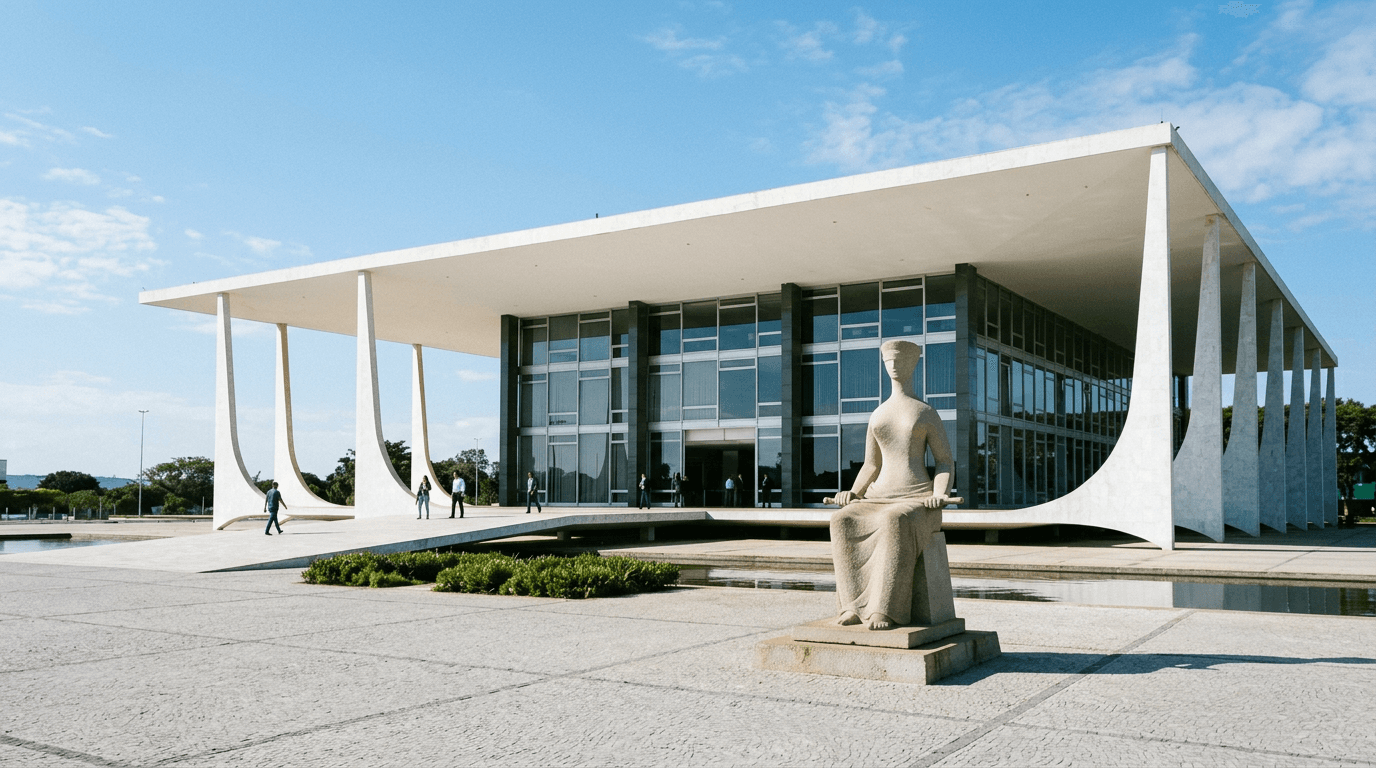
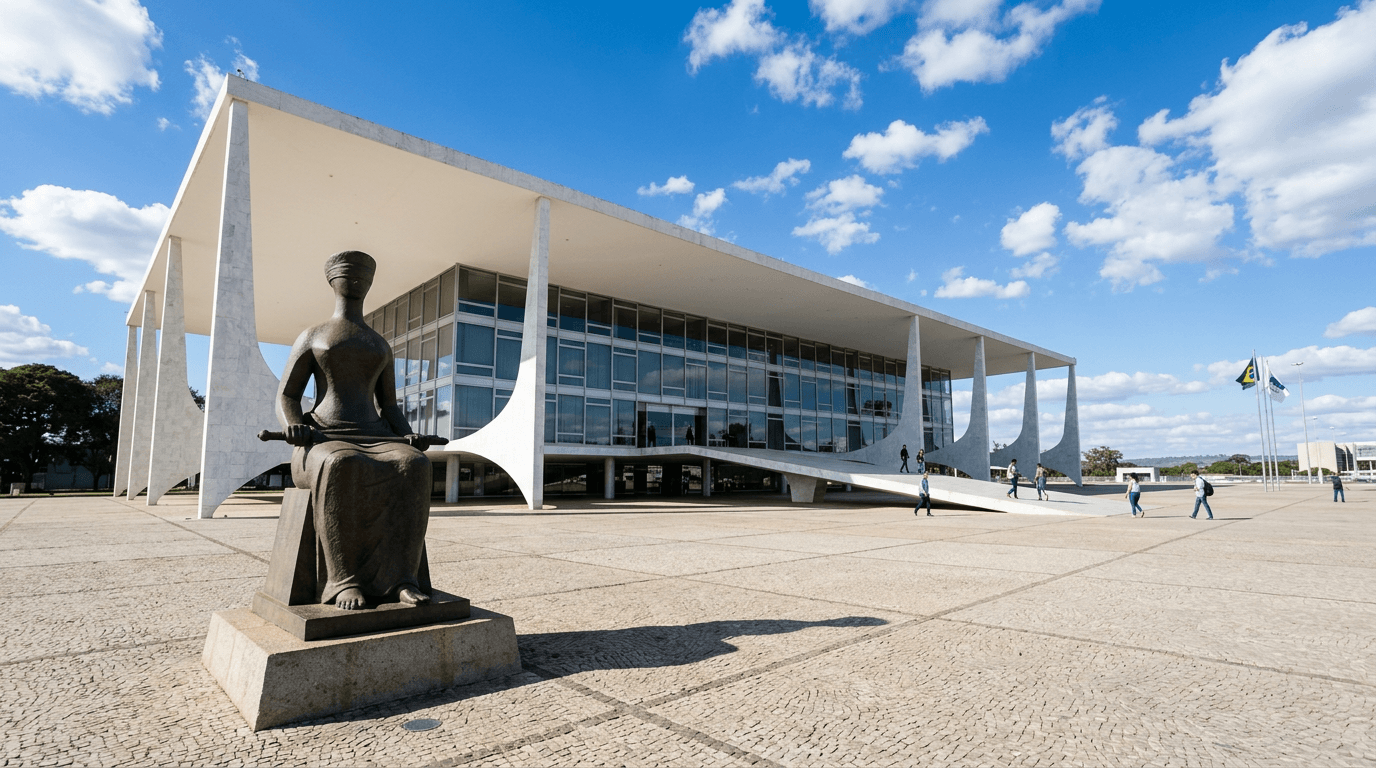
An acute conflict between Brazil's top courts, the STF and TSE, over campaign rules and internal scandals is raising serious concerns about institutional stability and the rule of law ahead of the election.
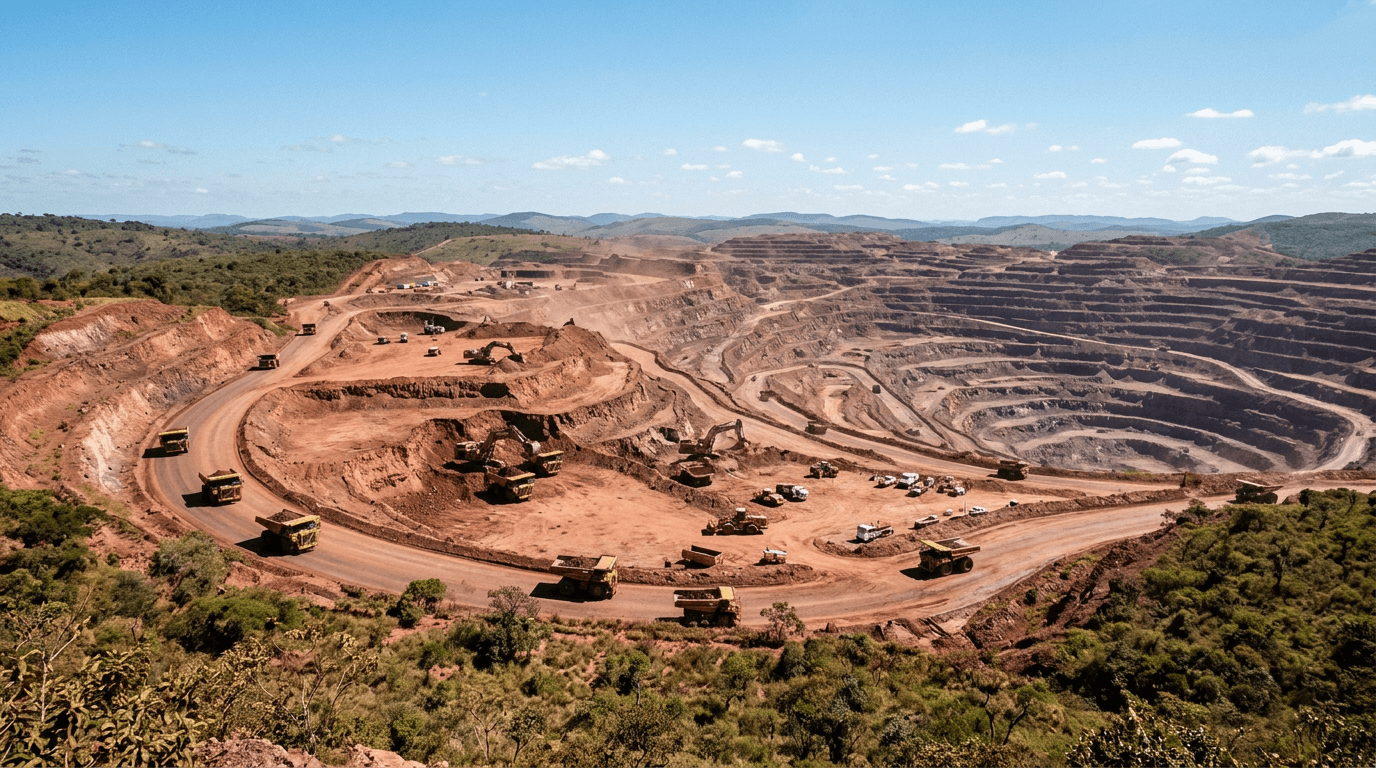
The Australian miner Lynas's deal to acquire Meteoric Resources and its massive Brazilian rare earth project must now pass a review by a powerful new federal council.
Brazil’s Federal Police transferred its report on the 'Master' corruption probe to STF President Edson Fachin, forcing the Judiciary to decide how to proceed with the investigation of its own members.
Final polls before Sunday’s election show President Lula and Senator Flávio Bolsonaro in a statistical tie for a likely runoff, fueling political and fiscal uncertainty amid a deepening crisis at the Supreme Federal Court.
A new Oxford Economics analysis presents a stark choice between President Lula’s gradual fiscal path and Senator Flávio Bolsonaro’s accelerated austerity plan.
Brazil's Federal Court of Accounts identified 30 major fiscal risks in the Lula administration's 2026 budget management, focusing on excessive tax waivers and uncontrolled mandatory spending.
Brazil's Supreme Federal Court is mired in unprecedented internal conflicts, with justices overruling each other, exposing a 'ministrocracia' that undermines legal certainty for businesses.
The economic team for presidential candidate Flávio Bolsonaro is proposing a long-term fiscal adjustment that would see pensions and social benefits increase only with inflation, aiming to save R$1.1 trillion over a decade.
President Lula's Provisional Measure banning fixed-quota sports betting and online casinos is in effect but faces strong resistance and potential rejection in the National Congress.
Brazil’s Superior Electoral Court voted 3-1 to remove social media posts about Nossa Senhora Aparecida, escalating a fight over judicial limits on political speech.
Brazil's National Monetary Council raised the credit limit for states and municipalities by R$2 billion, increasing fiscal spending capacity just ahead of the national election.
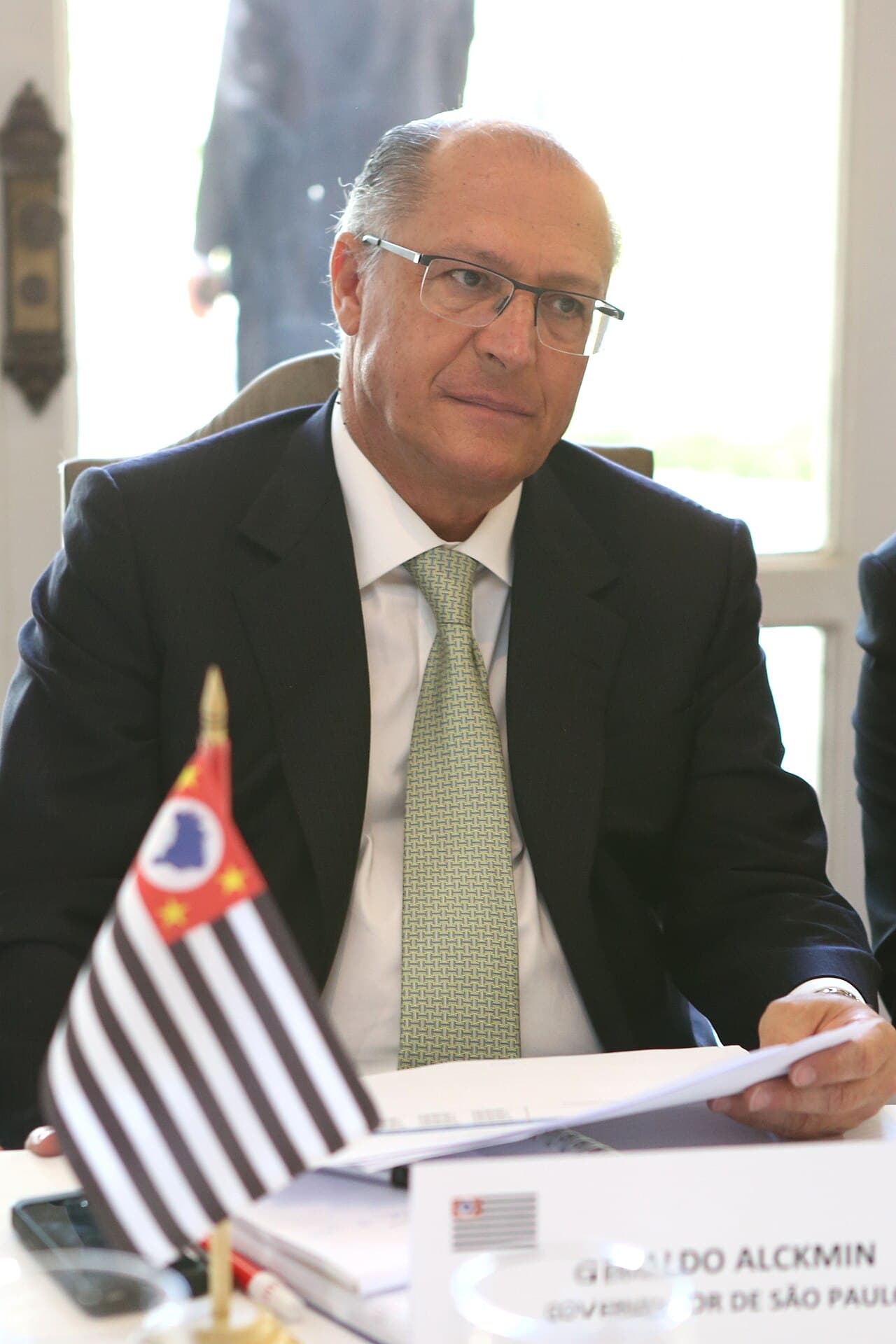
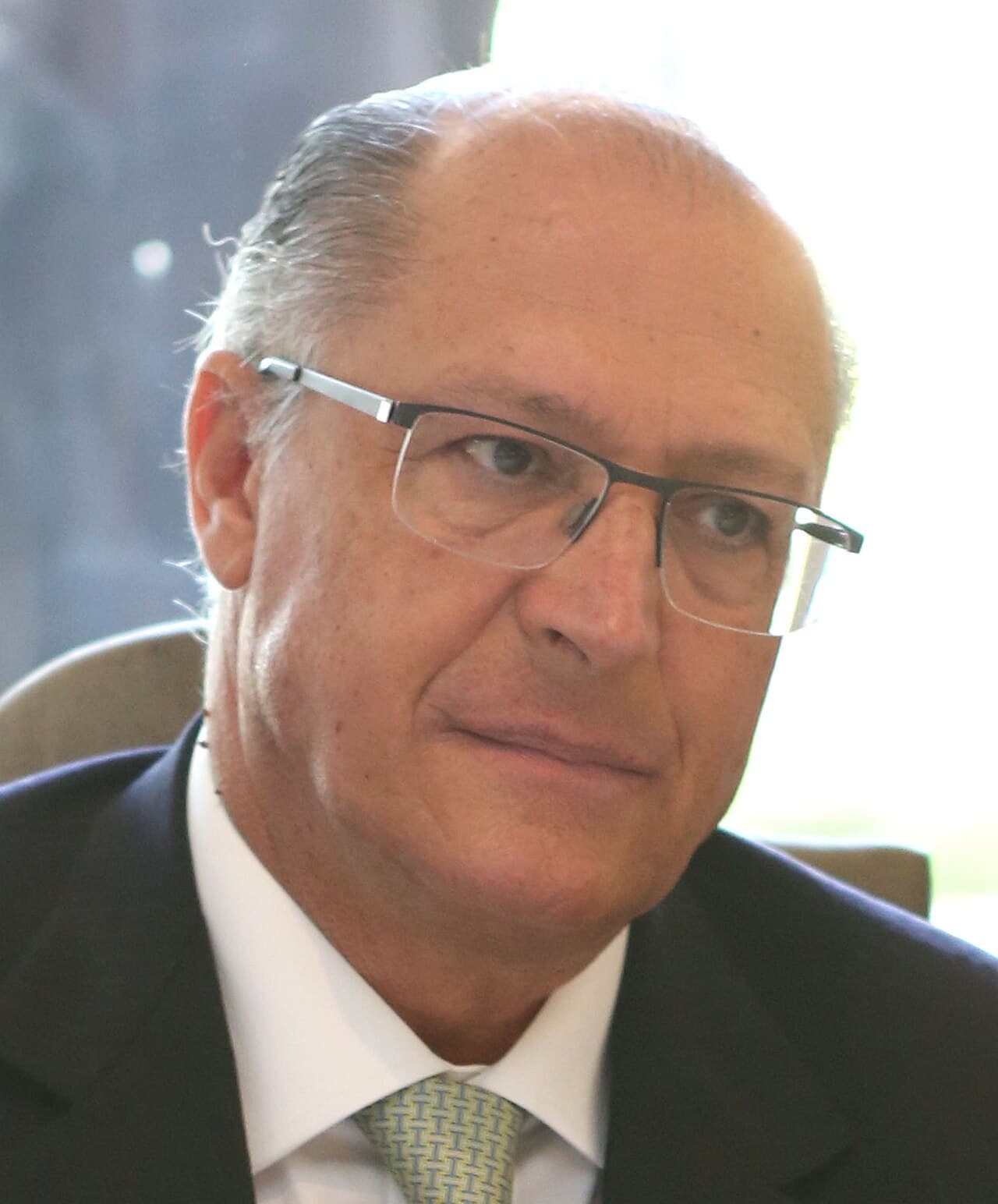
Vice President Geraldo Alckmin is forcing state-controlled Petrobras to sell its natural gas supply to lower industrial costs, a move the company and industry groups are fighting.
STF Justice Gilmar Mendes criticized a colleague over selective leaks and "political-electoral bias" in an investigation, exposing a deep rift in Brazil's highest court.
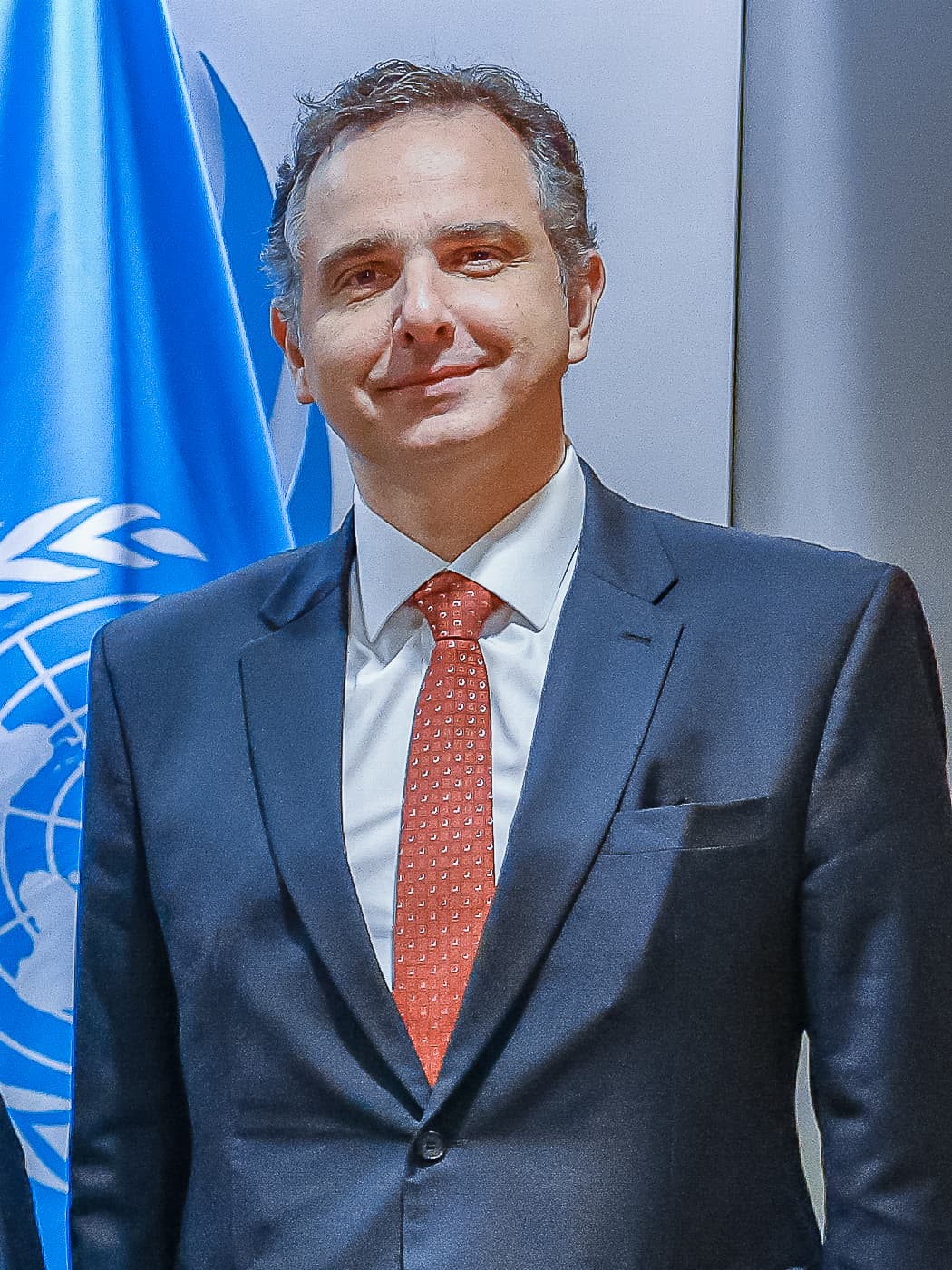
Ex-Senate President Rodrigo Pacheco was sworn in as a Minister of the TCU, Brazil’s federal audit court, securing a 26-year term in a politically backed move.
Justice Flávio Dino escalated a probe into the 'Dark Horse' film's funding, ordering a new Federal Police forensic analysis of material seized from the producer, intensifying the political risk for presidential candidate Flávio Bolsonaro.
Brazil's public debt hit 82.5% of GDP in July 2026, driven by a massive nominal deficit of 9.34%, placing fiscal discipline at the center of the post-election agenda.
A wave of ministers resigned to meet the electoral deadline while the BNDES president took a leave to join the campaign, highlighting the institutional stakes of Brazil's October election.
The 2026 Brazilian presidential election is being defined by a debate over the meaning of national sovereignty, with incumbent Lula focusing on industrial and technological independence and challenger Flávio Bolsonaro prioritizing territorial security.
A massive R$354.8 billion stock of federal guarantees for state and municipal credit operations represents a major contingent liability and ongoing fiscal risk for Brazil.
Brazil’s steel sector demands import tariffs and cheaper domestic gas, prompting a direct political confrontation between Vice-President Geraldo Alckmin and state-controlled Petrobras.
Contradictory rulings by Supreme Court ministers on a fake news story about the national patron saint and a presidential candidate expose a deep institutional and political split days before the election.
Brazil's gross public debt climbed to 82.9% of GDP in August, the highest level since late 2021, driven by high debt-servicing costs despite a better-than-expected primary deficit.
As Brazil's high public debt hits 82.5% of GDP, the two leading presidential candidates, Lula and Flávio Bolsonaro, offer only generic fiscal plans, deepening policy uncertainty.
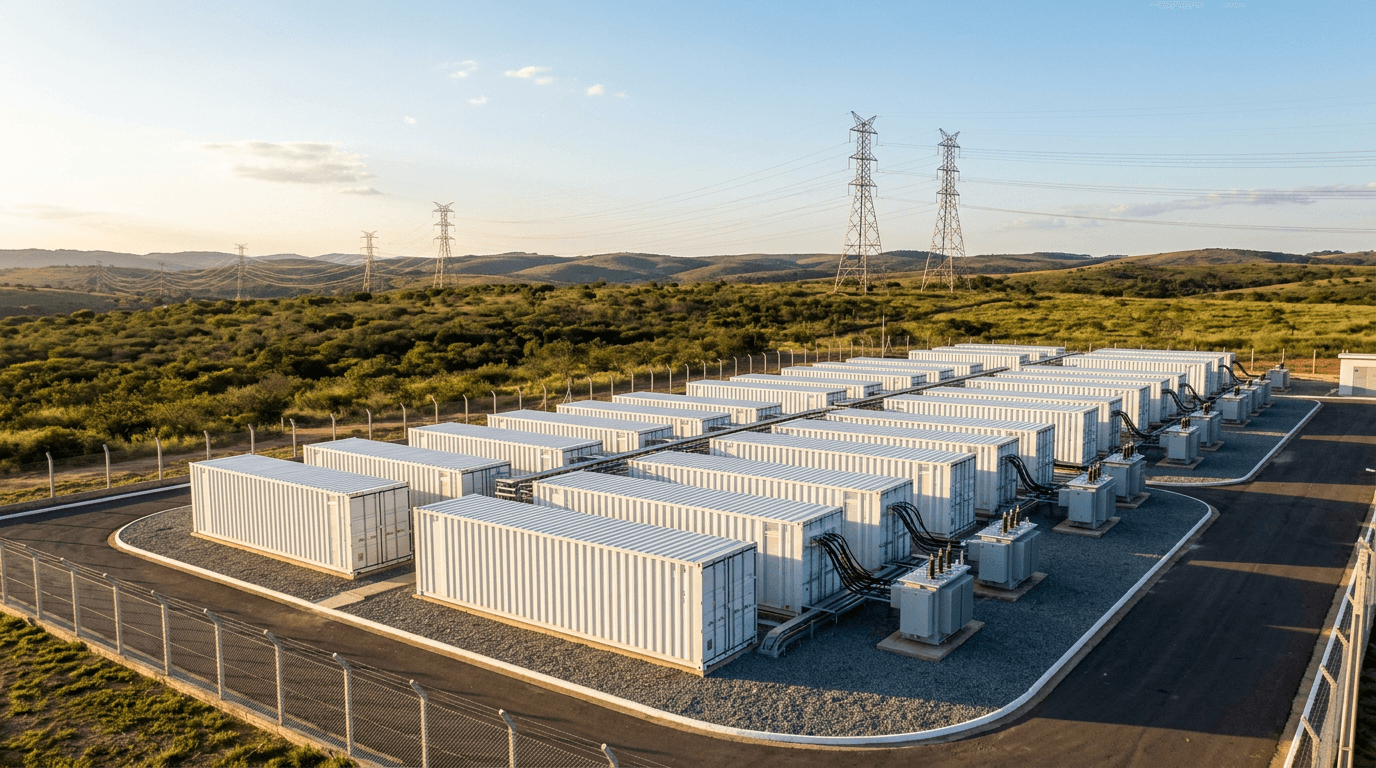
The Ministry of Mines and Energy published a schedule for capacity reserve auctions through 2029, with a specific focus on integrating battery storage and pumped hydro to stabilize the grid.
A ruling by Brazil's Superior Electoral Court ordering the mass removal of a false claim against a top candidate highlights the judiciary's expansive power over election speech.
The Flávio Bolsonaro campaign is preparing a strict fiscal framework linking spending to the debt-to-GDP ratio, a sharp turn from the current Lula-era rule.
A controversial remark by President Lula during a trip to Indonesia about drug traffickers being 'victims of users' sparked fierce opposition backlash.