
Brazil’s Electoral Court Affirms Broad Power to Censor ‘Notoriously Untrue’ Political Speech
A ruling by Brazil's Superior Electoral Court ordering the mass removal of a false claim against a top candidate highlights the judiciary's expansive power over election speech.
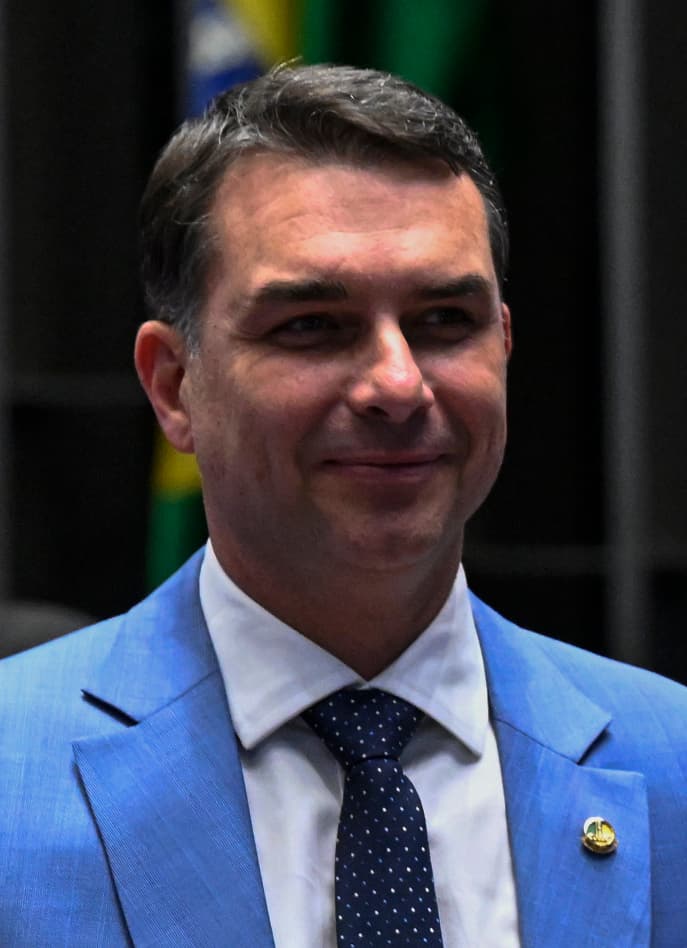
The Superior Electoral Court (TSE) confirmed a ruling on Wednesday that orders social media platforms to remove posts falsely linking candidate Flávio Bolsonaro to an effort to strip Nossa Senhora Aparecida, Brazil’s Patron Saint, of her title, affirming the judiciary’s aggressive role in policing election speech. The decision ratifies the power of the TSE, which is responsible for administering elections, to act on political content it deems "notoriously untrue," a growing source of tension over free speech in Brazil.
The controversy centers on a claim that Bolsonaro, the son of former President Jair Bolsonaro, or his family intended to alter the legal status of the highly revered saint. Minister André Mendonça, who initially issued the ruling and is one of the seven members of the TSE, classified the core claim as “notoriamente inverídica”—notoriously untrue—given that Flávio Bolsonaro was not the author of the long-archived 2007 bill that started the rumor. Mendonça mandated social media platforms, including X, Facebook, and TikTok, to not only remove the existing content but also to act preventively against the mass replication of identical or substantially equivalent posts.
The move dramatically expands the TSE’s censorship mechanism from simply removing individual false posts to requiring platforms to preemptively monitor and suppress viral disinformation campaigns across their entire network. To enforce the order, the court imposed a daily fine of R$50,000 (about US$9,100) on each platform that fails to comply.
The case quickly escalated into a high-profile jurisdictional dispute among ministers of the Supreme Federal Court (STF), who also serve on the TSE. Within days of Mendonça’s initial order, STF Minister Flávio Dino overturned it, arguing it could constitute prior censorship and restrict freedom of expression. That decision was then immediately reversed by fellow STF Minister Luiz Fux, who restored the censorship order, highlighting the increasingly open judicial conflict and the instability of rulings on political speech just before an election. The TSE’s collective decision on Wednesday sought to settle this intra-judicial friction, favoring Mendonça's stance.
For the foreign reader, the case is a significant indicator of how Brazil’s electoral justice system is evolving to combat digital disinformation, often called "fake news," but at the cost of judicial overreach that worries free-speech advocates. The involvement of Nossa Senhora Aparecida, a major symbol for Brazil's Catholic majority, also injects a potent religious element into an already volatile political race between the left-leaning forces aligned with President Luiz Inácio Lula da Silva and the evangelical-backed far-right. The full TSE plenary's decision to back the broad censorship order means the precedent for courts to unilaterally suppress political speech deemed false is now significantly stronger.
What to Watch
The platforms now face a technical and legal challenge in implementing a system of preventive removal of "substantially equivalent" content without overstepping into legitimate political criticism, satire, or debate, as the TSE's decision requires them to do. Any overreach by the platforms may lead to new legal challenges, while failure to comply risks massive daily fines in the final stretch of the election cycle.
Related coverage
 Court Delay on Brazil Shorter Workweek Eases Corporate PressuresSupreme Court Justice Luiz Fux halts a virtual trial on Brazil's 6x1 to 5x2 workweek transition, resetting votes but leaving a temporary December start date active.
 US Tech Investors Track Brazil Semiconductor Industry PushBrazilian President Lula proposed integrating the nation's critical minerals with the Philippine chip sector to create new South-South tech supply chains.
 Senator's Escape to Florida Heightens Brazil Geopolitical RiskSenator Flávio Bolsonaro's sudden flight to Florida after his election defeat defies a Supreme Court passport order and escalates political tensions.