
Brazil’s Election Overshadowed by Unprecedented Judicialization Crisis
An acute conflict between Brazil's top courts, the STF and TSE, over campaign rules and internal scandals is raising serious concerns about institutional stability and the rule of law ahead of the election.
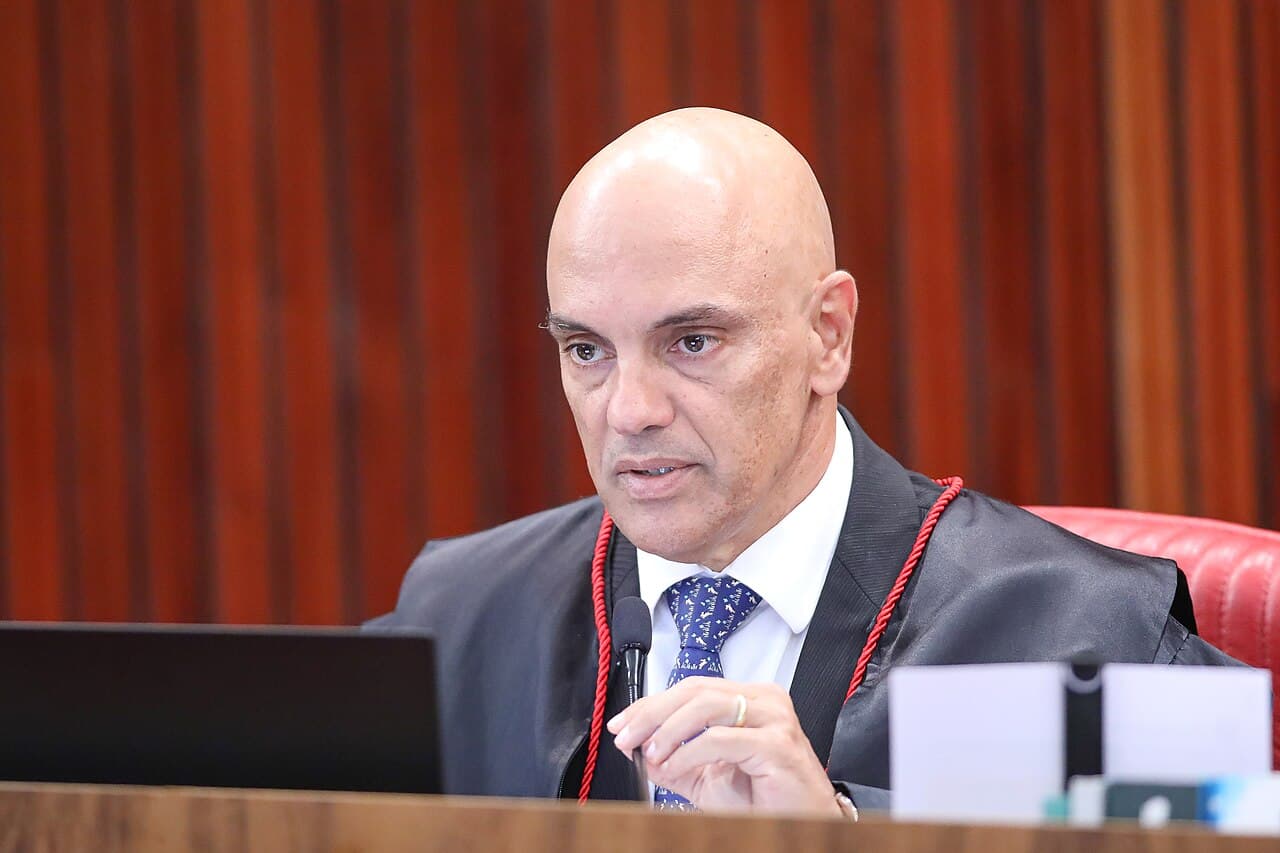
An unprecedented public conflict between Brazil’s two highest judicial bodies, the Supreme Federal Court (STF) and the Superior Electoral Court (TSE), is overshadowing the upcoming Brazil election and significantly escalating political risk. The internal disputes, centered on control over campaign content and the handling of high-profile investigations, are dramatically accelerating the "judicialization of politics," fueling concern that the election's outcome may be perceived as being decided in the courts rather than by voters.
The tension pits the STF, Brazil’s highest court responsible for constitutional matters, against the TSE, which manages the entire electoral process. Both institutions are currently under scrutiny as their ministerial members—who often serve on both courts—have begun trading open accusations and handing down contradictory rulings. Analysts describe the environment as a genuine crisis of institutional stability, where judicial impartiality is openly questioned.
A key driver of the upheaval is the ongoing "Caso Master," a financial scandal involving the seized phone of a prominent banker. This investigation has morphed into a battleground within the judiciary, exposing alleged impropriety and proximity between several STF Justices—including Minister Alexandre de Moraes, a leading figure on the TSE—and the banker. The resulting infighting has turned what would be an ordinary court case into a tool for factional warfare, drawing the conduct of key ministers, such as André Mendonça and Kassio Nunes Marques, into public scrutiny.
The political impact is tangible in the electoral sphere, where the TSE has become the arbiter of increasingly minute campaign details. The internal division has led to conflicting decisions, most recently seen in rulings concerning the removal of social media posts, causing widespread confusion and legal instability. This environment has drawn the focus away from substantive policy debates between candidates like President Luiz Inácio Lula da Silva and his main opponent, Flávio Bolsonaro, substituting it instead with a continuous loop of legal appeals and court battles.
For foreign observers, this crisis is a sign of deep institutional stress in the weeks leading up to the vote. The legitimacy of the final electoral result is increasingly tied to the perceived fairness of the judiciary, which is currently fractured and under fire. The next critical steps involve the courts’ final set of pre-election rulings and whether internal mechanisms can restore a semblance of unity and procedural neutrality before the polls close.
What it touches
The acute increase in internal institutional conflict and the resulting uncertainty represents a direct increase in political risk for Brazil. This environment raises the risk premium demanded by investors, particularly impacting the pricing of sovereign bonds and the local currency, the Real (BRL), against the US Dollar (USD), as political stability is a core factor in long-term country risk assessments.
Related coverage
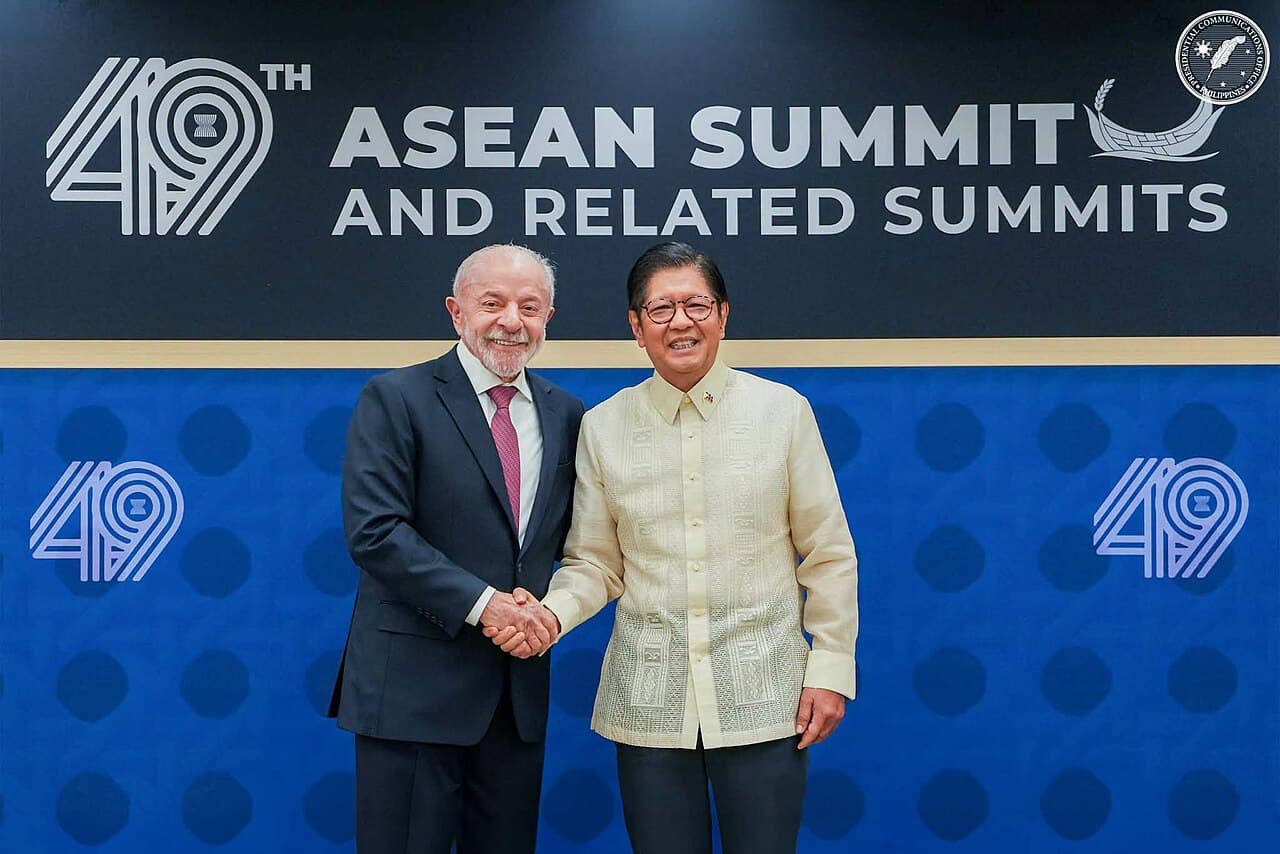 How Brazil Politics 2026 Reshapes Chip Chains with Philippine PivotBrazil pitches its massive rare earth reserves to the Philippines for chip assembly, bypassing U.S. trade routes under strict domestic processing rules.
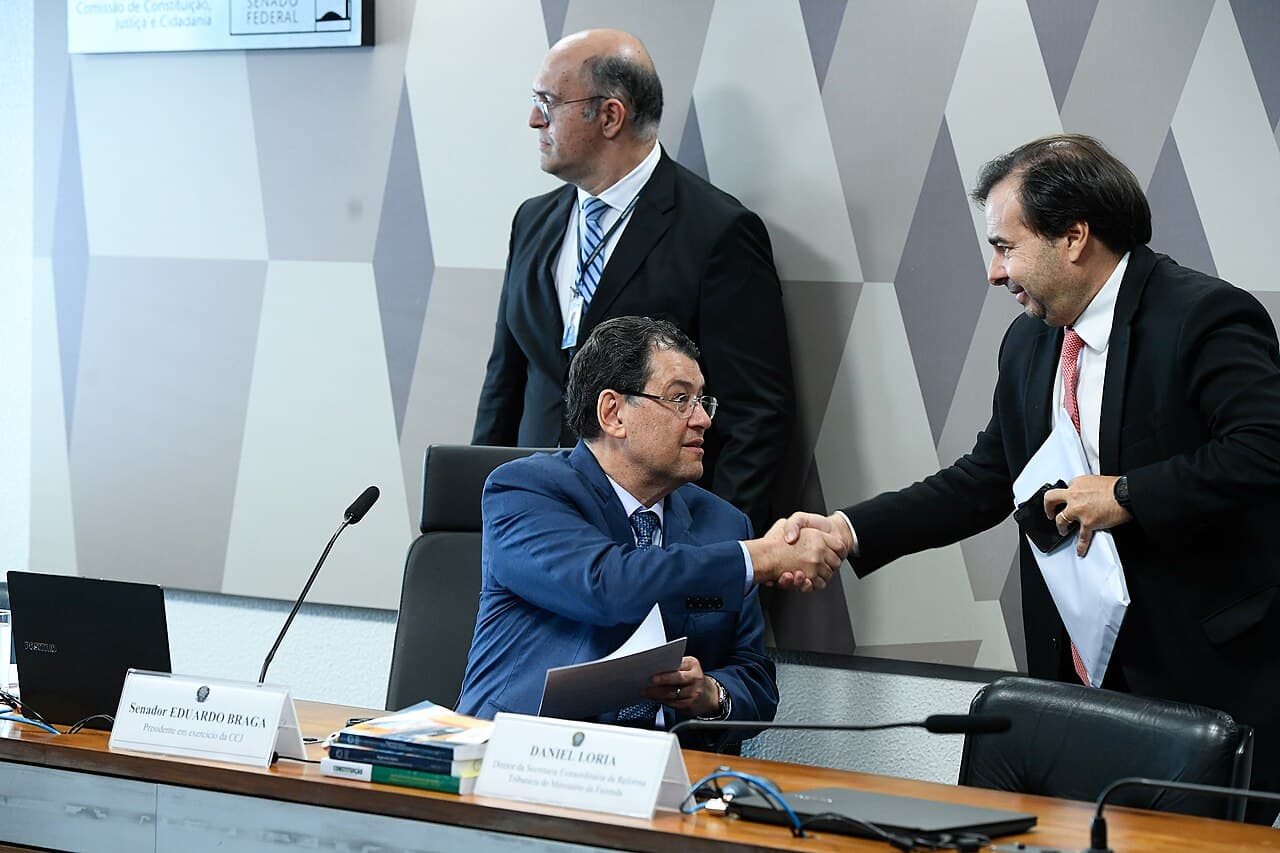 How Brazil Fiscal Deficit 2026 Bill Squeezes Corporate Cash FlowsA major $10 billion fiscal package passed by Brazil’s Senate on November 12, 2026, aims to curb spending but severely restricts corporate tax credits.
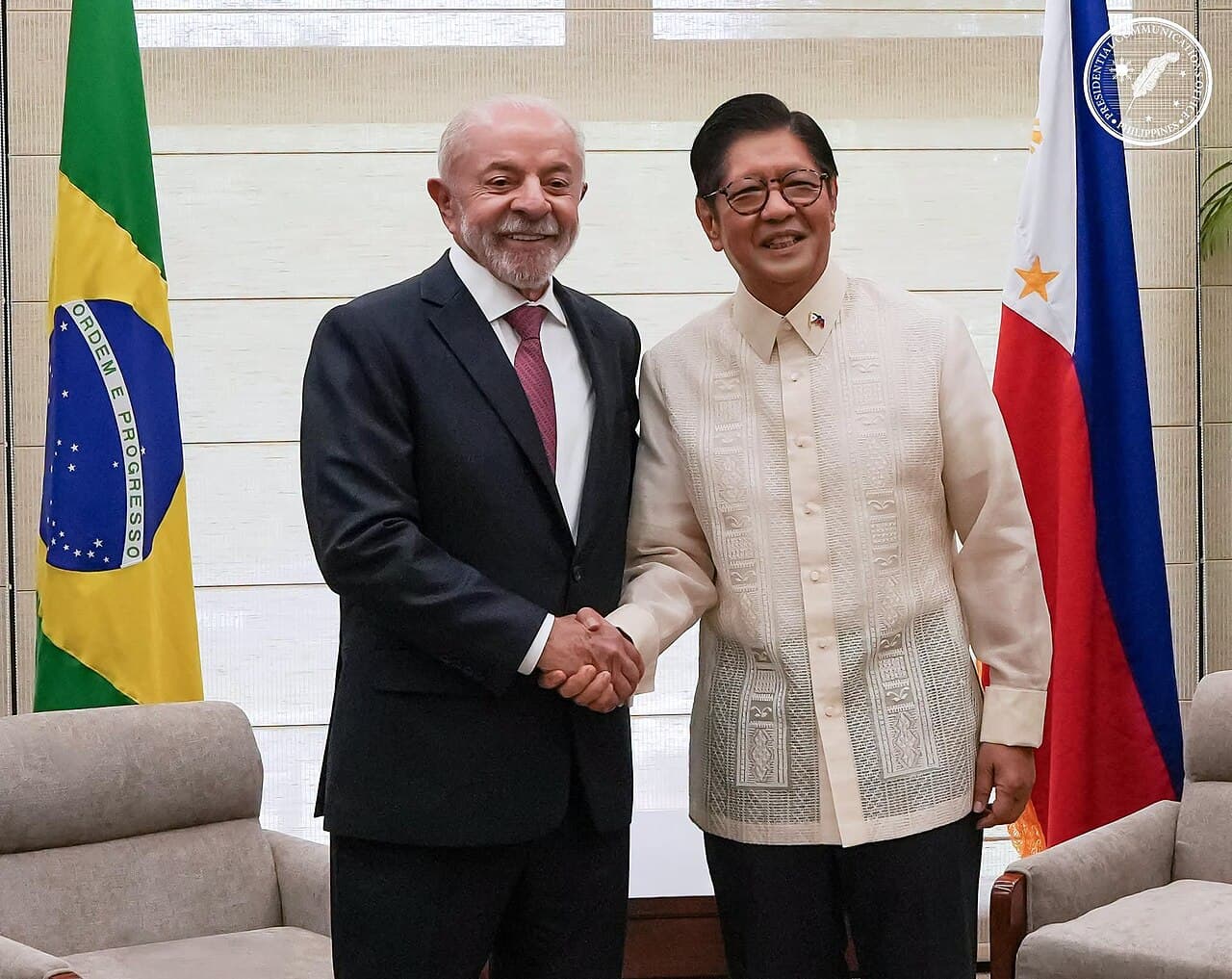 Why Brazil Conditions Rare Earth Mining on Local ProcessingBrazil conditions future rare earth and critical mineral concessions on local processing to build batteries and chips, shaking up global mining investments.