
$968 Million Rare Earth Acquisition Puts Brazil’s New Critical Minerals Policy to the Test
The Australian miner Lynas's deal to acquire Meteoric Resources and its massive Brazilian rare earth project must now pass a review by a powerful new federal council.
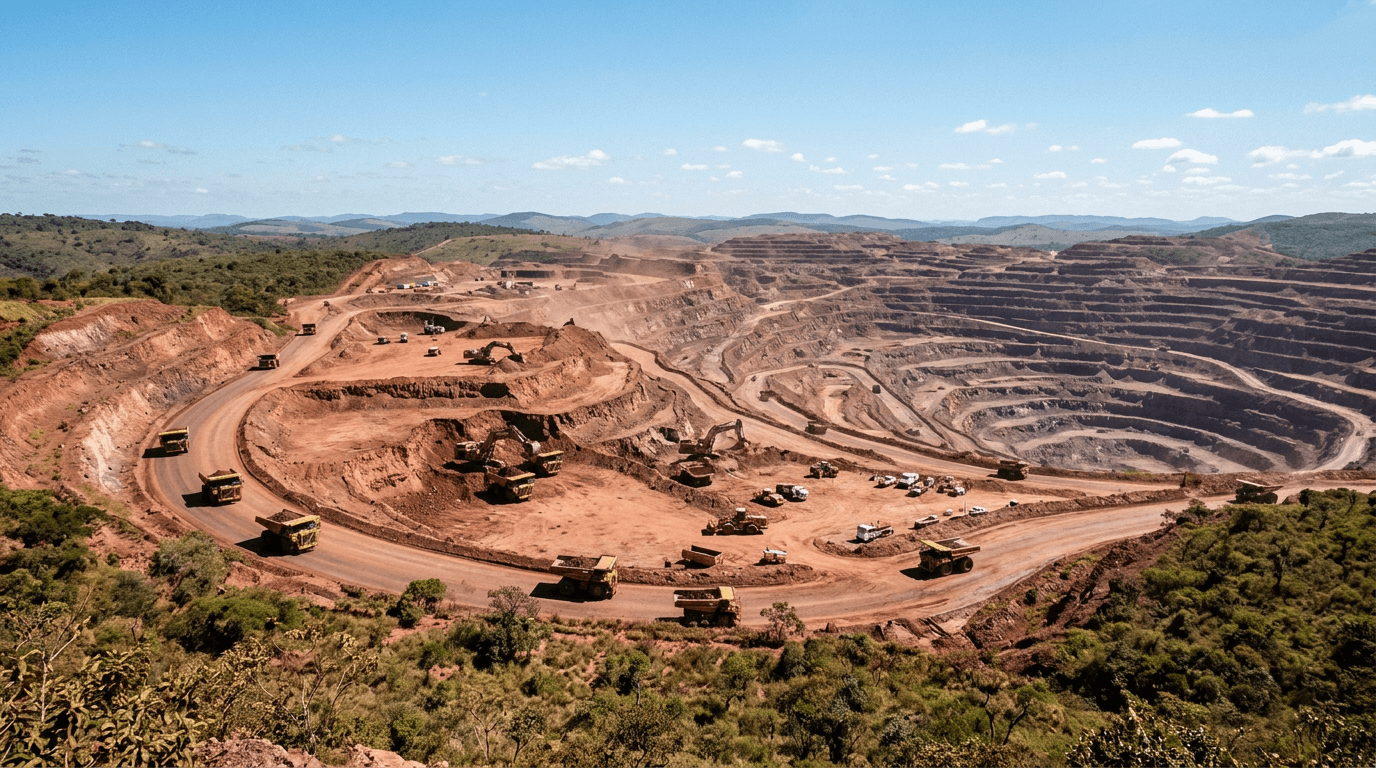
Australian miner Lynas Rare Earths has agreed to acquire rival Meteoric Resources for A$968 million (approximately R$3.5 billion), securing control of the Caldeira Rare Earth Project in Minas Gerais in a transaction that will serve as the first major test of Brazil's new strategic minerals policy. The all-share deal, announced on October 1, gives the world's largest non-Chinese rare earth producer a critical new supply line but requires clearance from a newly formed federal council with broad powers to approve or condition changes in control over strategic assets.
The Caldeira Project is a high-value asset in the global race to secure non-Chinese supplies of materials essential for electric vehicles and wind turbines. It is the largest known resource of ionic clay rare earth oxides outside of China, a geological structure prized for containing high concentrations of the heavy rare earths dysprosium and terbium. The acquisition is a strategic move by Lynas to diversify its resource base beyond its Mt Weld operation in Western Australia.
The transaction’s regulatory path is complicated by the recent passage of Brazil's National Policy on Critical and Strategic Minerals (PNMCE), which was enacted by the President on September 16, just two weeks before the acquisition was announced. This new law created the National Council for the Industrialization of Critical and Strategic Minerals (CIMCE), a federal body empowered to screen and approve transactions involving the control of companies that hold rights over strategic minerals.
The goal of the PNMCE is to balance foreign investment with national interests, ensuring that Brazil’s vast mineral wealth contributes to domestic development and industrialization rather than simply being exported as raw material. For the Lynas deal to close, it must receive "regulatory clearance" from CIMCE, a condition explicitly noted in the agreement. This means the council can potentially impose conditions on the acquisition, such as mandates for local processing, technology transfer, or specific investment targets, before signing off on the change in corporate control.
The CIMCE review will set a critical precedent for how the Brazilian government intends to use its new oversight powers, influencing the flow of foreign capital into the country’s high-potential mining sector. The council's decision, which is a required step before the targeted completion in March 2027, will determine whether the new policy acts as a gatekeeper for national sovereignty or a reliable framework for foreign direct investment.
What it touches
This acquisition directly involves the global Critical Minerals supply chain and the Brazilian Mining Sector. The successful closure of the deal, subject to approval by the CIMCE, would confirm Brazil’s growing role as a destination for Foreign Investment aimed at diversifying rare earth production away from its current concentration in China.
Related coverage
 How Brazil Politics 2026 Reshapes Chip Chains with Philippine PivotBrazil pitches its massive rare earth reserves to the Philippines for chip assembly, bypassing U.S. trade routes under strict domestic processing rules.
 How Brazil Fiscal Deficit 2026 Bill Squeezes Corporate Cash FlowsA major $10 billion fiscal package passed by Brazil’s Senate on November 12, 2026, aims to curb spending but severely restricts corporate tax credits.
 Why Brazil Conditions Rare Earth Mining on Local ProcessingBrazil conditions future rare earth and critical mineral concessions on local processing to build batteries and chips, shaking up global mining investments.