
Media Industry Challenges Brazil’s Federal Ban on Sports Betting Advertising at STF
The Brazilian Association of Radio and Television Broadcasters is suing to overturn a Provisional Measure by President Lula that immediately bans all sports betting advertising.
The Brazilian Association of Radio and Television Broadcasters (ABERT) has filed a constitutional challenge with the Supreme Federal Court (STF) to block a provisional measure signed by President Luiz Inácio Lula da Silva that immediately bans all advertising for fixed-quota sports betting. The measure, Provisional Measure No. 1.394, signed on September 25, 2026, prohibits the operation, offering, and promotion of all forms of "bets" and online games, directly threatening a multi-billion dollar advertising revenue stream for the country’s media industry.
ABERT's legal challenge argues the Provisional Measure (MP) lacks the constitutional requirement of "urgency," asserting it has an "improper purpose" (desvio de finalidade) since the issue has been debated for years and was enacted just a week before a national election. Provisional Measures are executive orders that take effect immediately, but require Congressional ratification within 120 days to become permanent law. The association contends the ban creates an immediate, severe financial disruption to its members, who have come to rely on the booming betting sector for commercial revenue.
The financial exposure for broadcasters, publishers, and football clubs is significant. The betting sector is a major source of commercial funding, with betting companies accounting for an estimated R$ 1.03 billion in sponsorships for the top-tier Série A football clubs alone in 2025. The Lula government, however, framed the drastic measure as a public health imperative, with the President calling the industry a "cancer" that is fueling debt and addiction among Brazilians, a claim that resonates with polls showing widespread public support for restrictions.
The legal battle now rests with the STF, Brazil's highest court, which must rule on the constitutionality of the Provisional Measure's implementation. Simultaneously, the ban forces a political confrontation in the National Congress, where the MP will be reviewed over the next four months. The outcome of the court case and the congressional debate will determine the future of a rapidly growing industry and establish the regulatory framework for media advertising in Brazil.
What it touches
The ban has an immediate and direct impact on the revenue of media companies, radio and television broadcasters, and professional sports entities, particularly football clubs, who lose a core sponsorship stream. The financial and advertising sectors involved in processing payments and hosting digital content are also subject to the immediate restrictions set by MP No. 1.394.
Related coverage
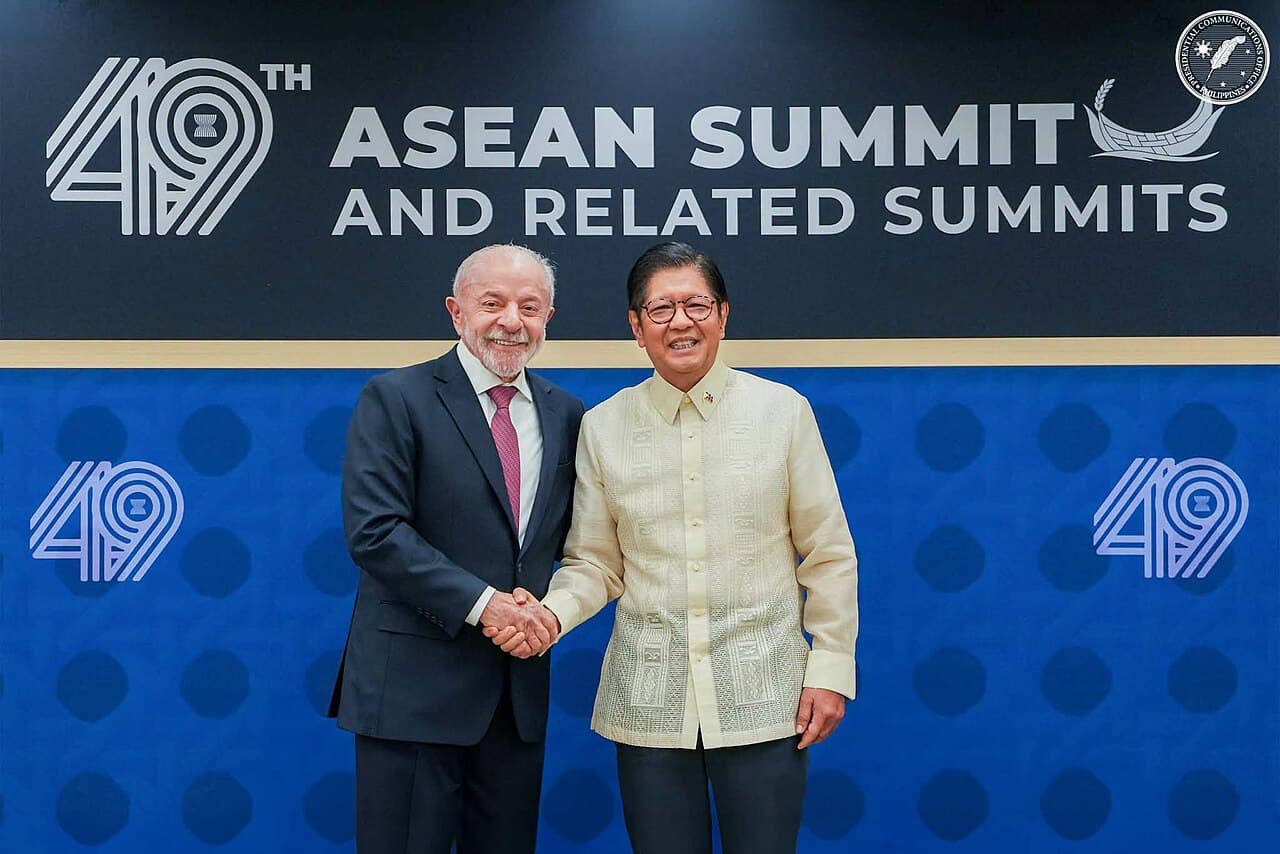 How Brazil Politics 2026 Reshapes Chip Chains with Philippine PivotBrazil pitches its massive rare earth reserves to the Philippines for chip assembly, bypassing U.S. trade routes under strict domestic processing rules.
 How Brazil Fiscal Deficit 2026 Bill Squeezes Corporate Cash FlowsA major $10 billion fiscal package passed by Brazil’s Senate on November 12, 2026, aims to curb spending but severely restricts corporate tax credits.
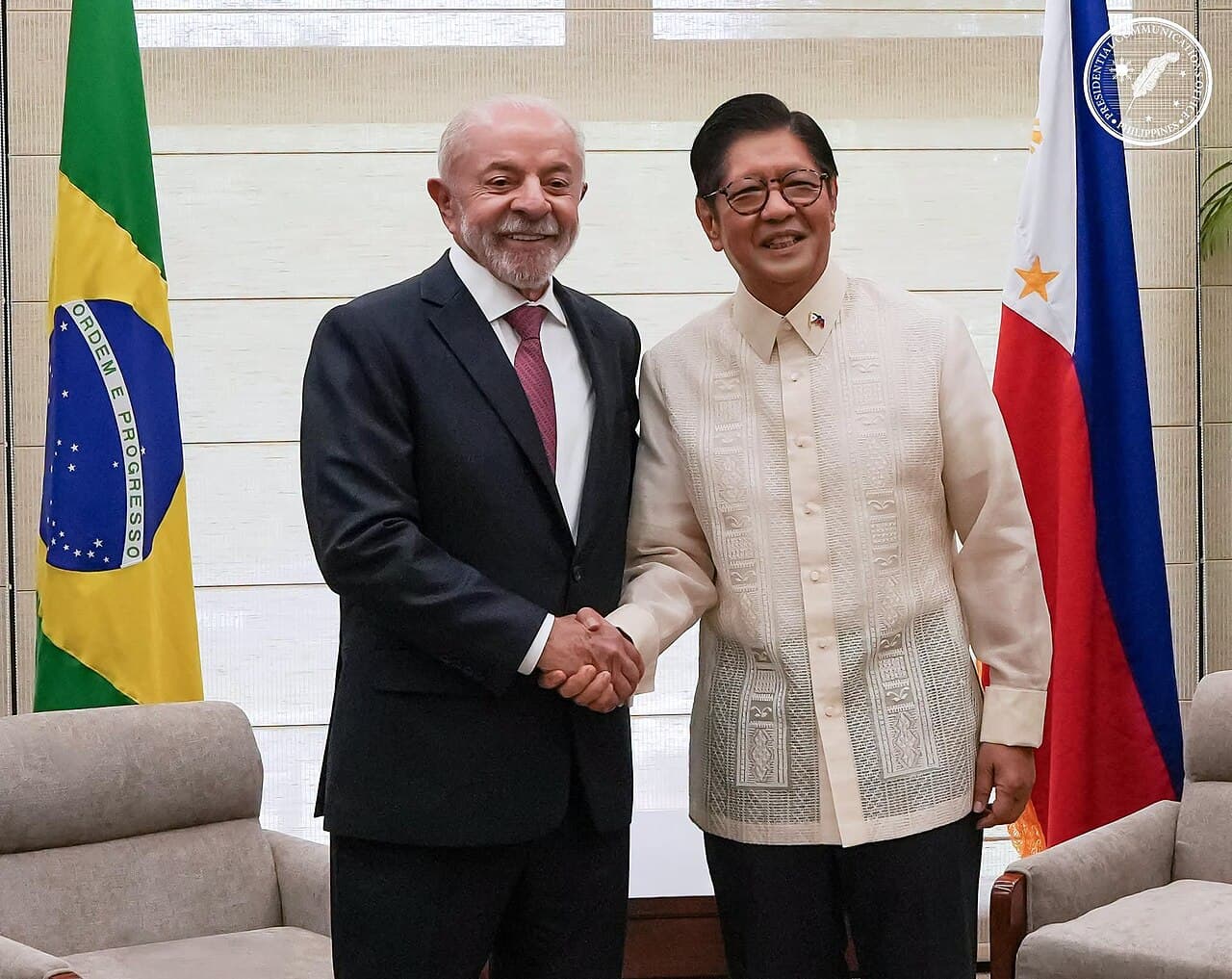 Why Brazil Conditions Rare Earth Mining on Local ProcessingBrazil conditions future rare earth and critical mineral concessions on local processing to build batteries and chips, shaking up global mining investments.